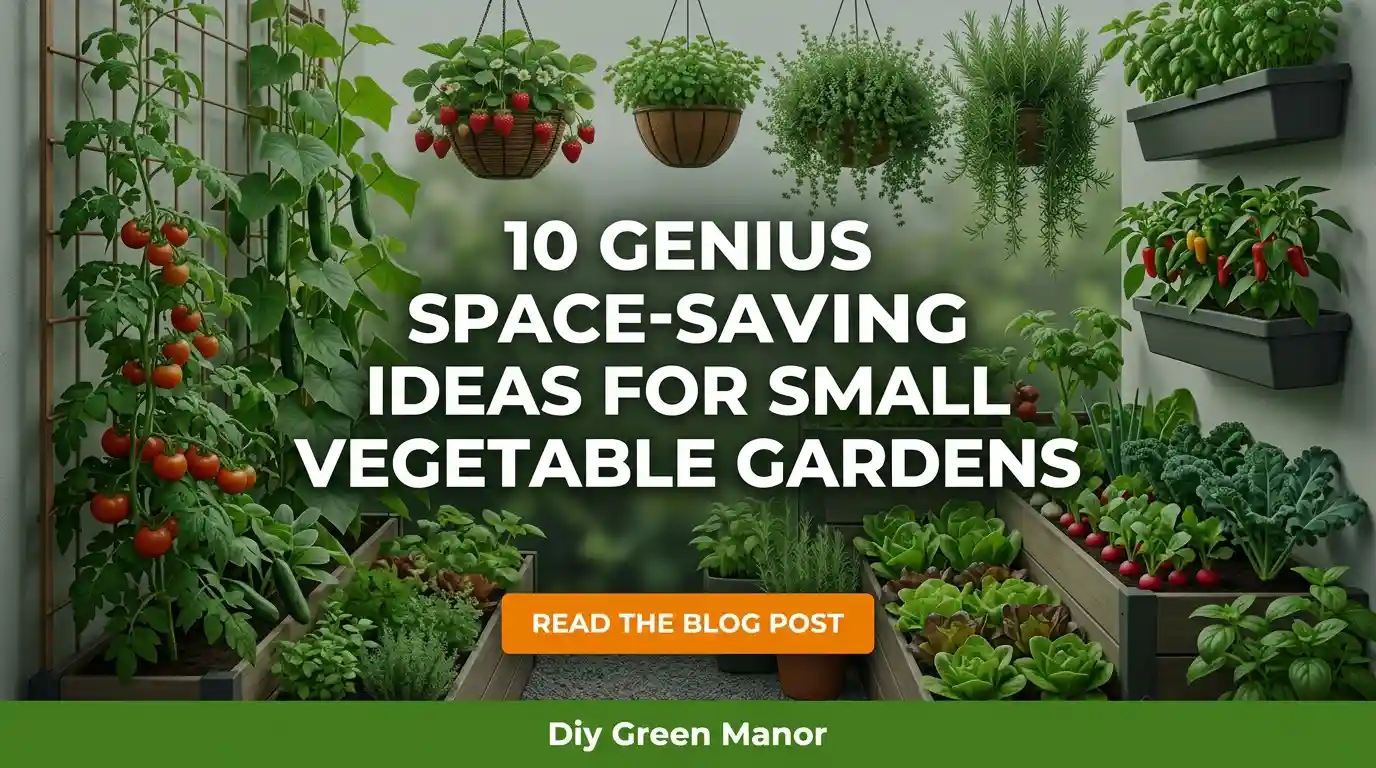
10 Genius Space-Saving Ideas for Small Vegetable Gardens
Think you need a huge backyard to grow fresh vegetables? Think again! With a little creativity and smart planning, even the smallest outdoor spaces can become productive vegetable gardens. Whether you have a tiny patio, narrow side yard, balcony, or compact backyard, there are plenty of clever ways to maximize every square foot while growing a healthy harvest.
These space-saving vegetable garden ideas combine functionality with beautiful design, helping you grow more food without overcrowding your space. From vertical planters to multi-level raised beds, these clever solutions will inspire you to transform your small garden into an abundant, Pinterest-worthy oasis.
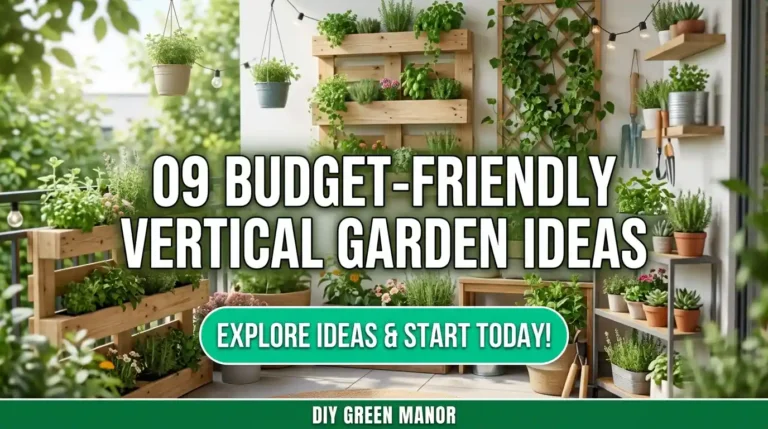
1. Vertical Pallet Vegetable Garden
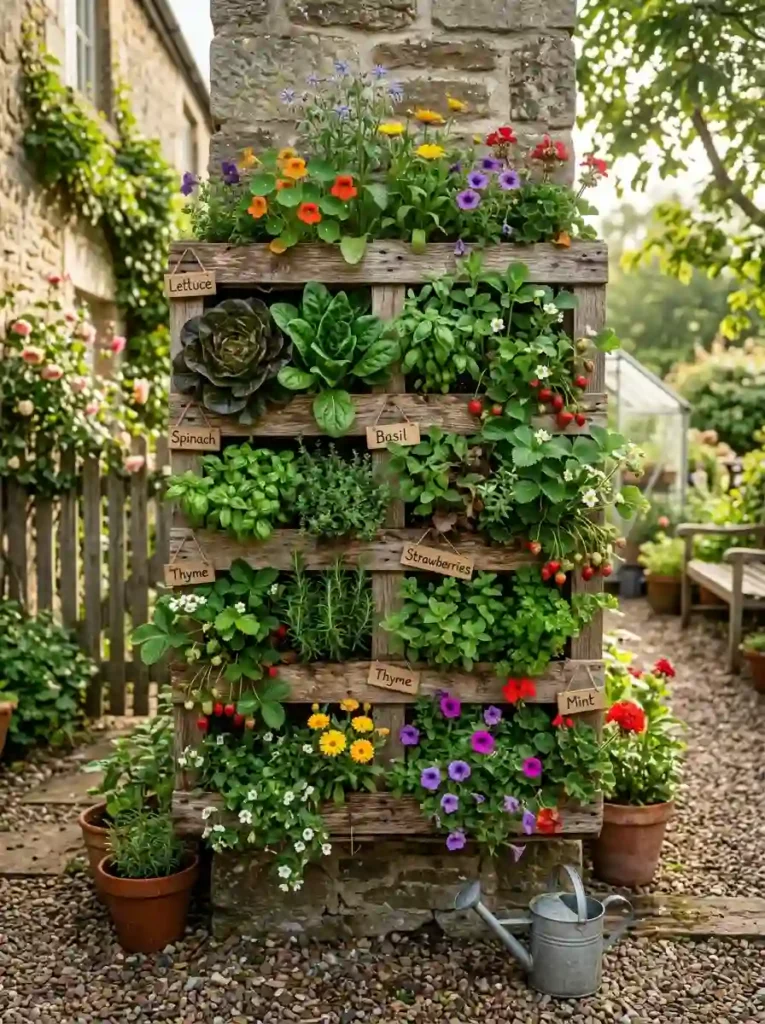
A wooden pallet is one of the easiest and most affordable ways to grow vegetables vertically. By attaching landscape fabric and filling each section with soil, you can plant leafy greens, herbs, and even strawberries without taking up valuable ground space. The upright design makes watering and harvesting simple while creating a beautiful living wall.
Place the pallet against a sunny fence or exterior wall to maximize sunlight and free up room for larger crops below. Its rustic appearance also adds charm to your outdoor space, making the garden both practical and visually appealing.
2. Tiered Raised Garden Beds
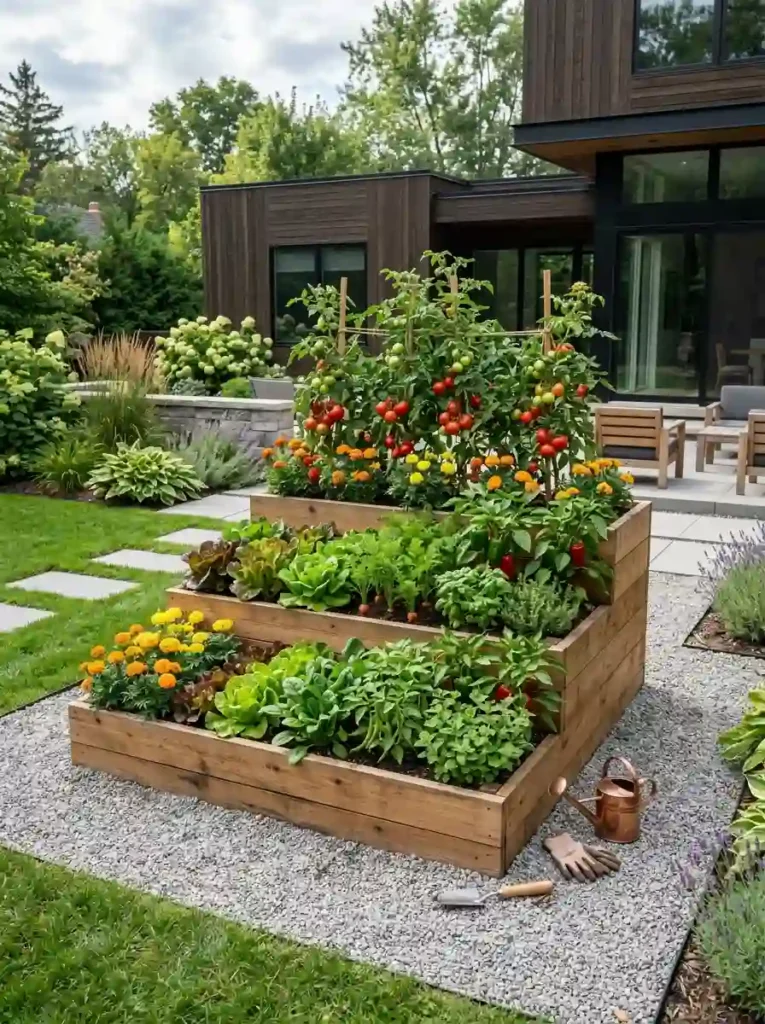
Tiered raised beds allow you to grow multiple vegetables in a compact footprint by utilizing vertical height. Taller crops like tomatoes can occupy the back tier, while herbs and leafy greens flourish in the lower levels, ensuring every plant receives adequate sunlight.
The stepped design improves drainage, simplifies maintenance, and creates an organized layout that’s easy to navigate. Constructing the beds from cedar or other weather-resistant wood ensures long-lasting durability while giving your garden a polished, custom-built appearance.
3. Hanging Basket Vegetable Garden
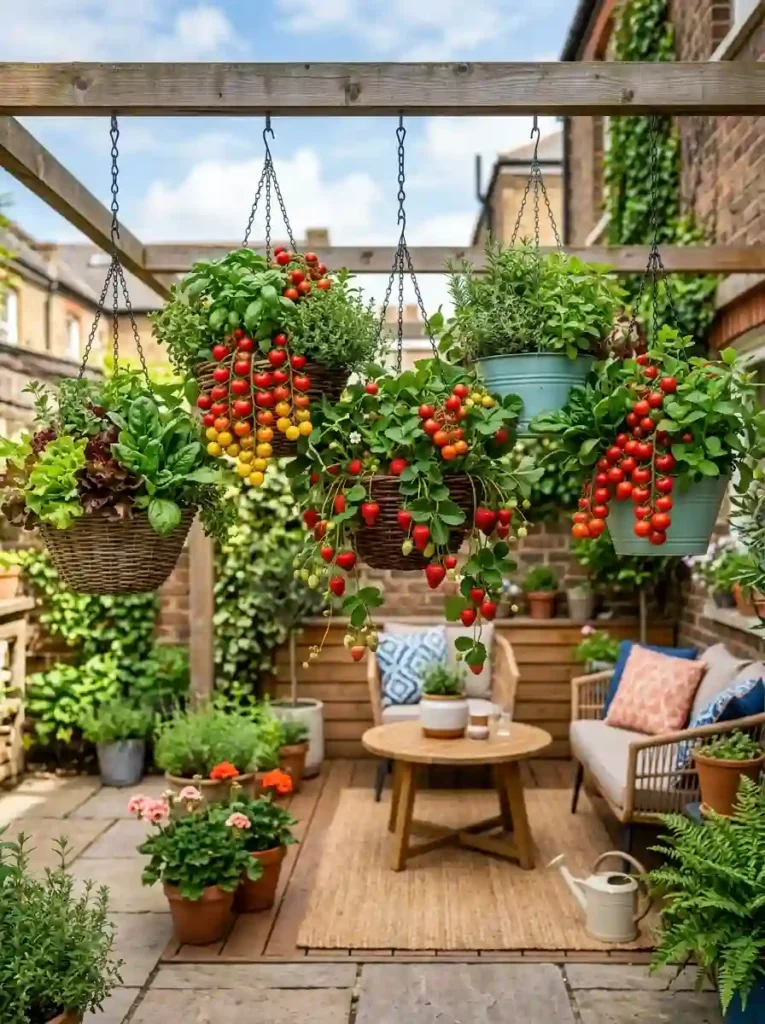
Hanging baskets aren’t just for flowers—they’re also excellent for growing compact vegetables and herbs. Cherry tomatoes, lettuce, spinach, strawberries, and trailing herbs thrive in hanging containers while leaving precious floor space available for other garden projects.
Hang baskets from pergolas, fences, balcony railings, or shepherd’s hooks to create a lush vertical display. The elevated design also helps reduce pest problems and keeps fresh produce within easy reach during harvest.
4. Trellis for Climbing Vegetables
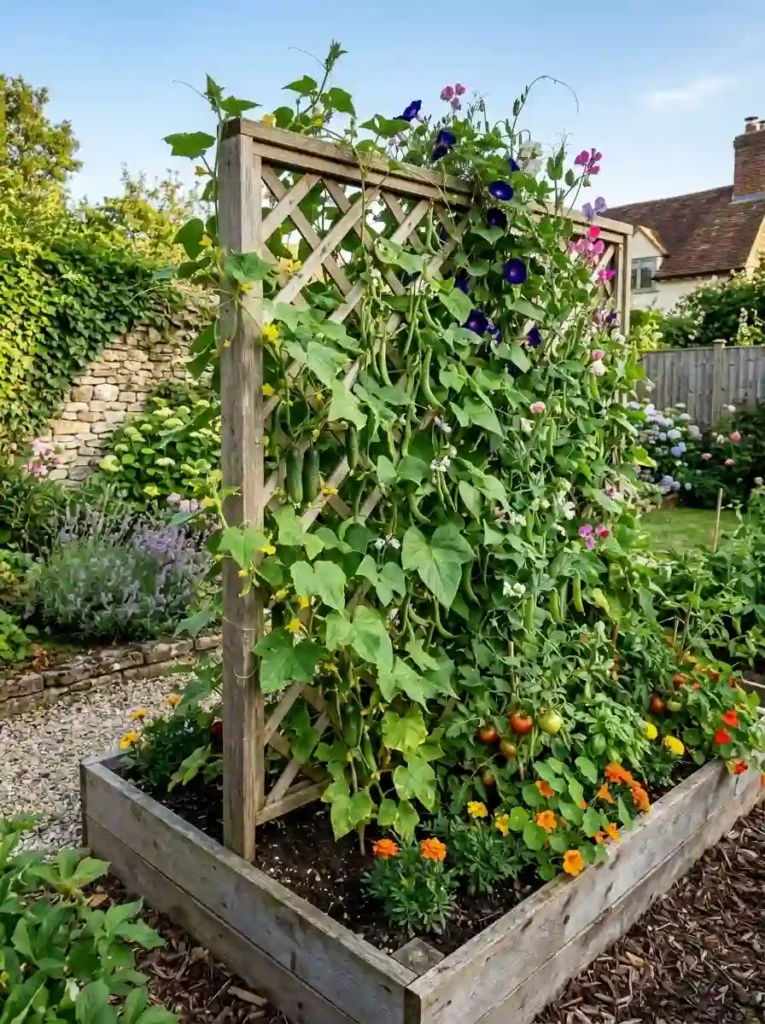
Growing vegetables upward instead of outward is one of the smartest ways to save space. Install a sturdy trellis to support cucumbers, peas, pole beans, and small squash varieties, allowing vines to climb naturally while freeing valuable planting space below.
Vertical growing improves airflow around plants, making them easier to harvest and helping reduce certain fungal issues. A decorative trellis also adds height and visual interest, transforming a simple vegetable patch into an attractive garden feature.
5. Grow Bags for Flexible Gardening
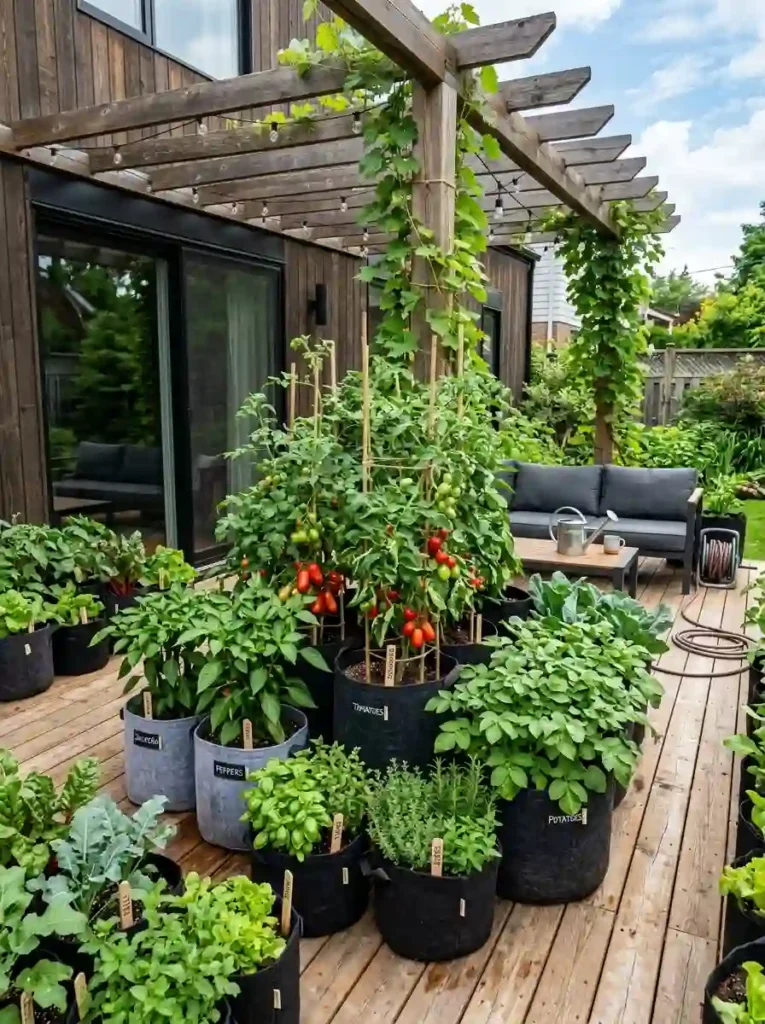
Fabric grow bags offer a flexible solution for gardeners with limited space. Lightweight and portable, they can be arranged wherever sunlight is best, allowing you to adapt your garden layout throughout the growing season. They’re ideal for tomatoes, peppers, potatoes, and herbs.
The breathable fabric encourages healthy root development while improving drainage and reducing the risk of overwatering. When the season ends, grow bags can be emptied, folded, and stored easily, making them perfect for small-space gardeners.
6. Stackable Planter Towers
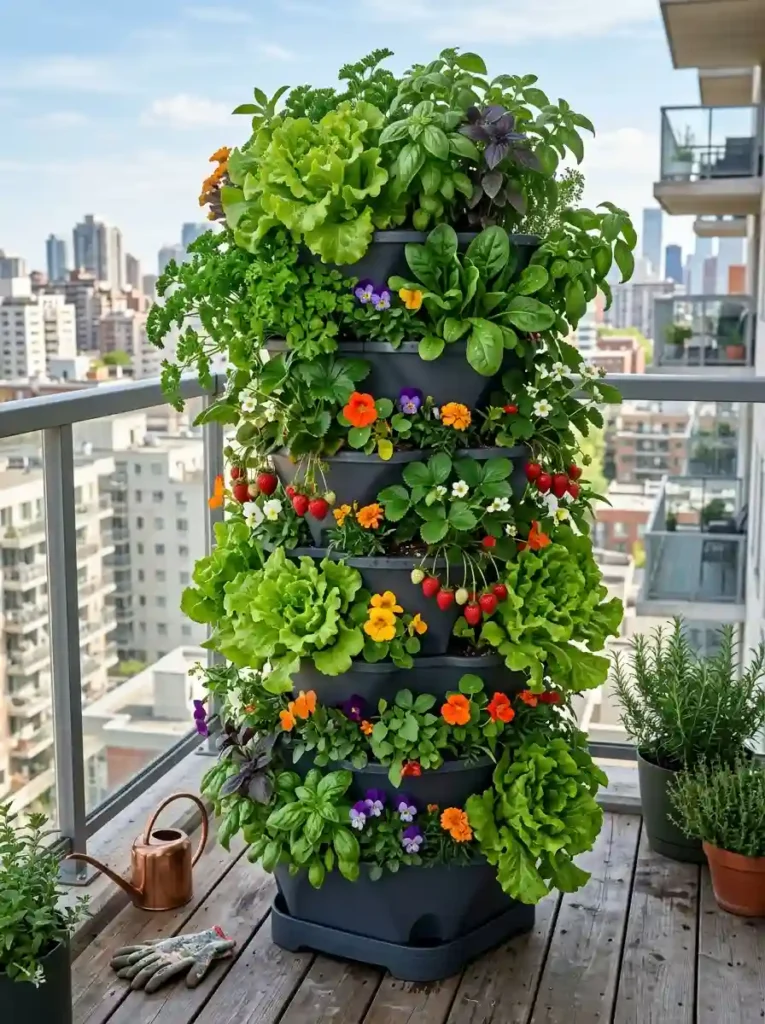
Stackable planter towers maximize vertical space by allowing multiple planting levels within a single compact footprint. Each tier provides room for herbs, leafy greens, strawberries, and other shallow-rooted vegetables, creating an abundant harvest in minimal space.
Place the tower on a patio, balcony, or small backyard corner where it receives several hours of sunlight daily. Its tidy appearance makes it a practical and stylish choice for urban gardeners.
7. Fence-Mounted Planter Boxes
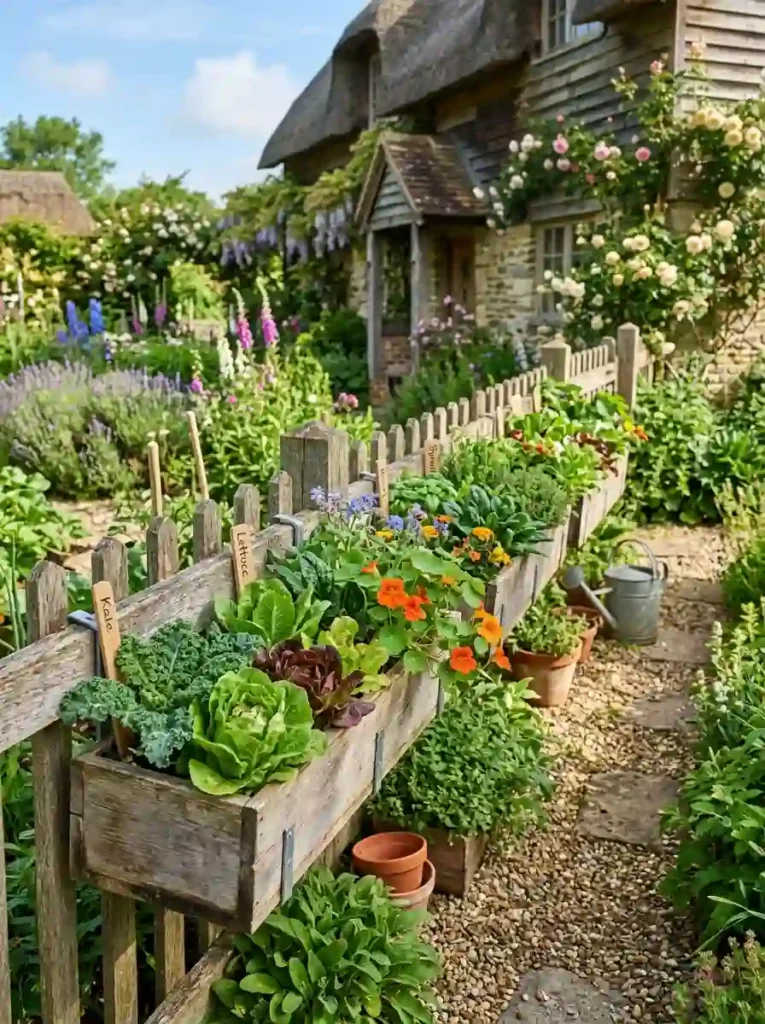
Transform an ordinary fence into valuable growing space by attaching planter boxes along its length. This clever solution keeps vegetables off the ground while making excellent use of vertical surfaces that might otherwise go unused.
Mix leafy greens, herbs, and edible flowers for a colorful display that combines beauty with productivity. The elevated planters are also easier to maintain since they require less bending during planting and harvesting.
8. Companion Planting in Compact Beds
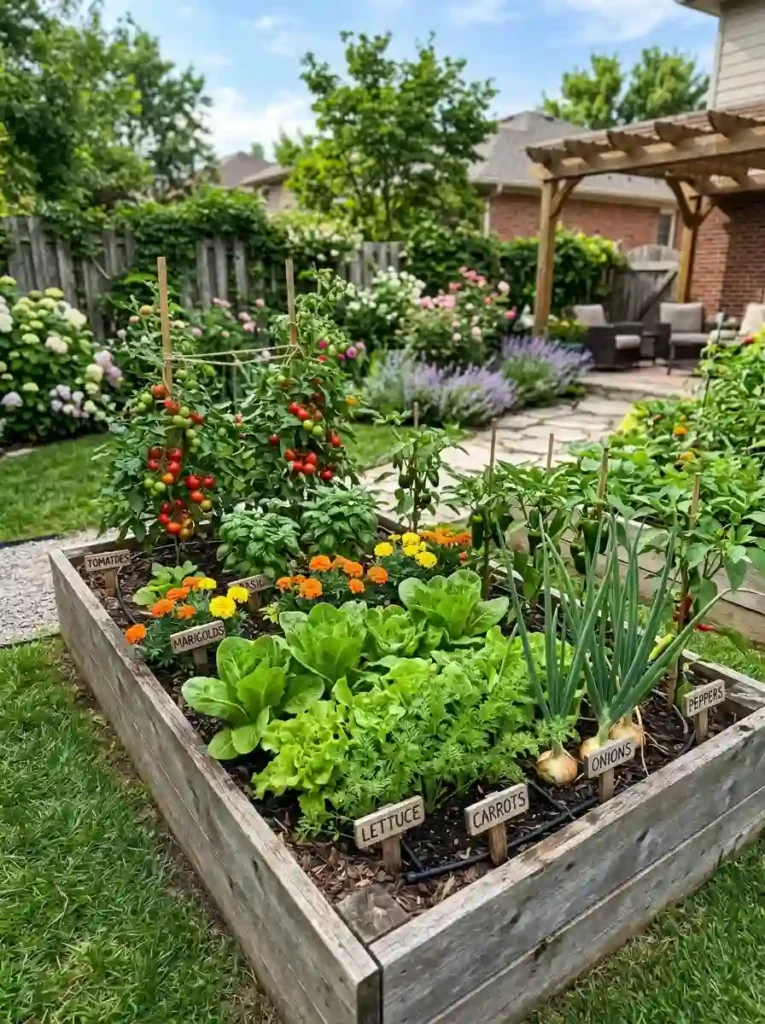
Companion planting allows multiple crops to thrive together while making the most of limited garden space. Growing basil beside tomatoes or marigolds near vegetables helps create efficient planting layouts that maximize every inch of soil.
This technique encourages healthier growth, attracts beneficial pollinators, and creates a lush, full-looking garden. Careful planning also helps stagger harvest times, keeping your small garden productive throughout the season.
9. Foldable Wall Garden Shelves
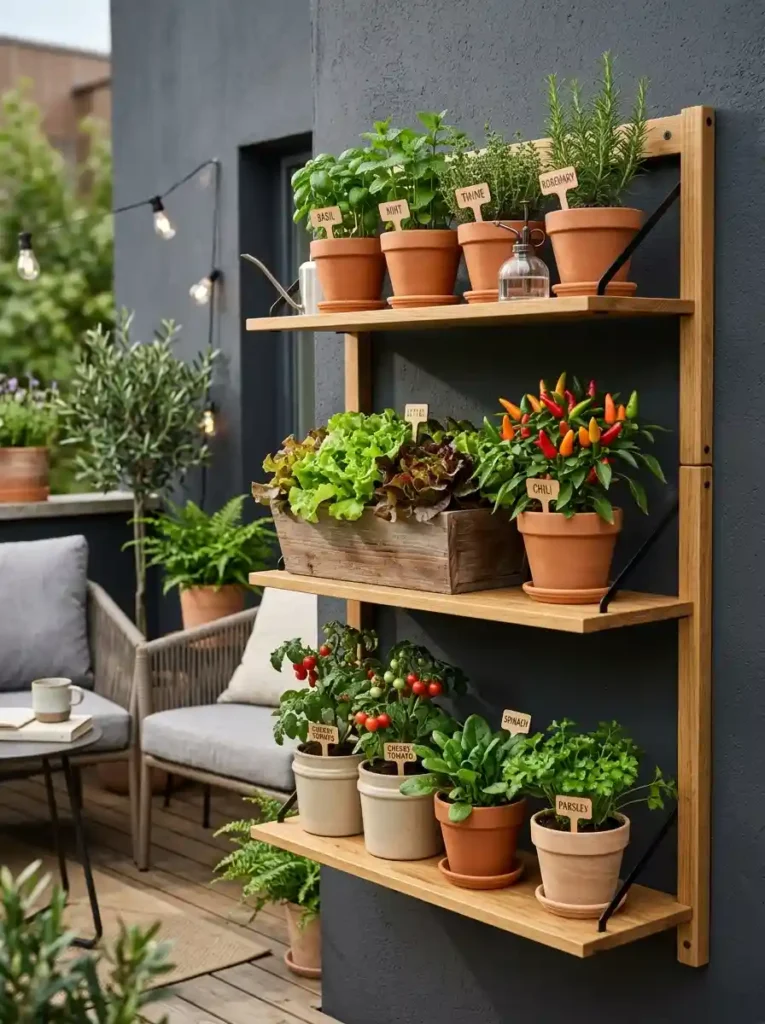
Foldable wall shelves provide additional growing space without permanently occupying valuable patio or yard areas. Install sturdy shelves against an exterior wall to display containers filled with herbs, leafy greens, and compact vegetables.
When extra room is needed, the shelves can fold away, making them an excellent option for balconies and narrow outdoor spaces. Their clean design also complements modern garden aesthetics beautifully.
10. Square Foot Gardening Layout
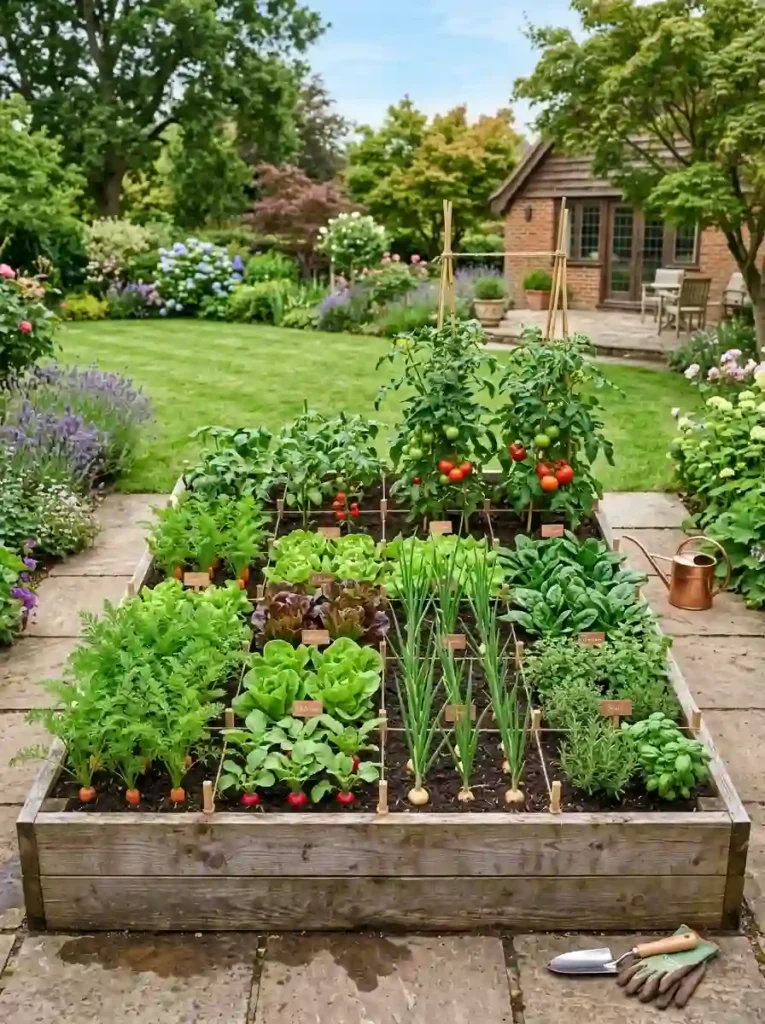
Square foot gardening divides raised beds into small planting grids, allowing vegetables to be spaced efficiently according to their size. This organized approach minimizes wasted space while increasing overall productivity in compact gardens.
Label each section for easy crop rotation and maintenance throughout the growing season. The structured layout not only improves harvests but also creates a tidy, Pinterest-worthy garden that’s simple to manage and enjoyable to grow.
Conclusion
A small garden doesn’t have to limit your harvest. By thinking vertically, choosing compact growing systems, and making smart use of every available inch, you can enjoy a productive vegetable garden that’s both functional and beautiful.
Whether you choose pallet gardens, raised beds, hanging baskets, or stackable planters, these genius space-saving ideas will help you grow more fresh vegetables while keeping your outdoor space organized and inviting. Save your favorite ideas to Pinterest and start creating the small vegetable garden of your dreams.
Frequently Asked Questions
1. What vegetables grow best in small gardens?
Leaf lettuce, spinach, kale, carrots, radishes, peppers, bush beans, herbs, cherry tomatoes, cucumbers (on trellises), and strawberries are excellent choices for compact spaces.
2. How can I maximize space in a vegetable garden?
Use vertical supports, raised beds, hanging baskets, stackable planters, companion planting, and square foot gardening to make the most of limited space.
3. Is vertical gardening good for vegetables?
Yes. Many vegetables such as cucumbers, peas, pole beans, and tomatoes benefit from growing vertically because it improves airflow, saves space, and makes harvesting easier.
4. Can I grow vegetables on a balcony?
Absolutely. Containers, grow bags, railing planters, hanging baskets, and vertical garden systems make balcony vegetable gardening both practical and productive.
5. What is the easiest method for beginners?
Raised beds combined with square foot gardening are among the easiest methods. They simplify planting, reduce maintenance, improve soil management, and help beginners grow a successful vegetable garden with confidence.