09 Plants That Keep Bugs Away Naturally
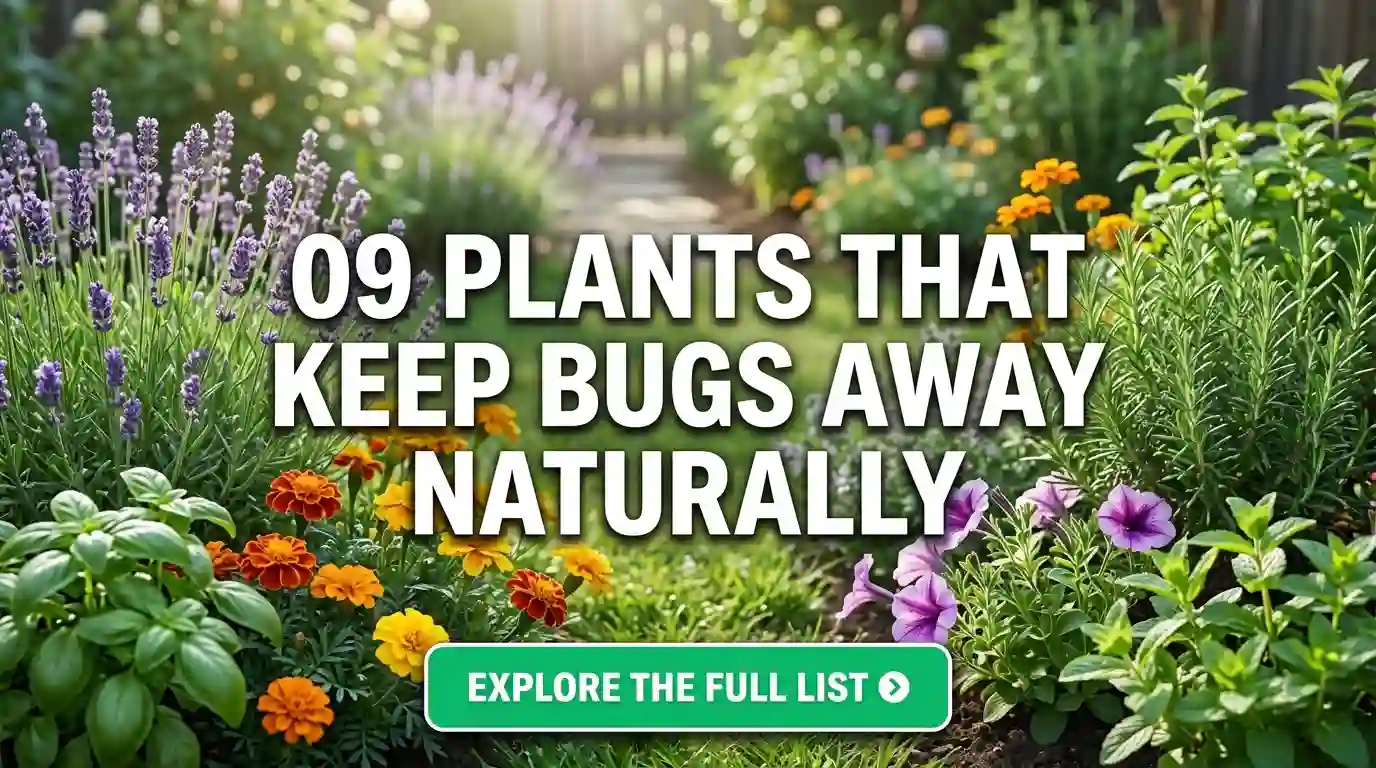
If you’re looking for a natural way to make your garden, patio, or outdoor sitting area less inviting to unwanted insects, adding the right plants can be a beautiful place to start. Many aromatic plants contain essential oils and strong scents that insects dislike, while also adding color, texture, and fragrance to your outdoor space. From classic lavender and basil to fragrant rosemary and marigolds, these 12 plants that keep bugs away can make your garden both attractive and functional.
1. Lavender
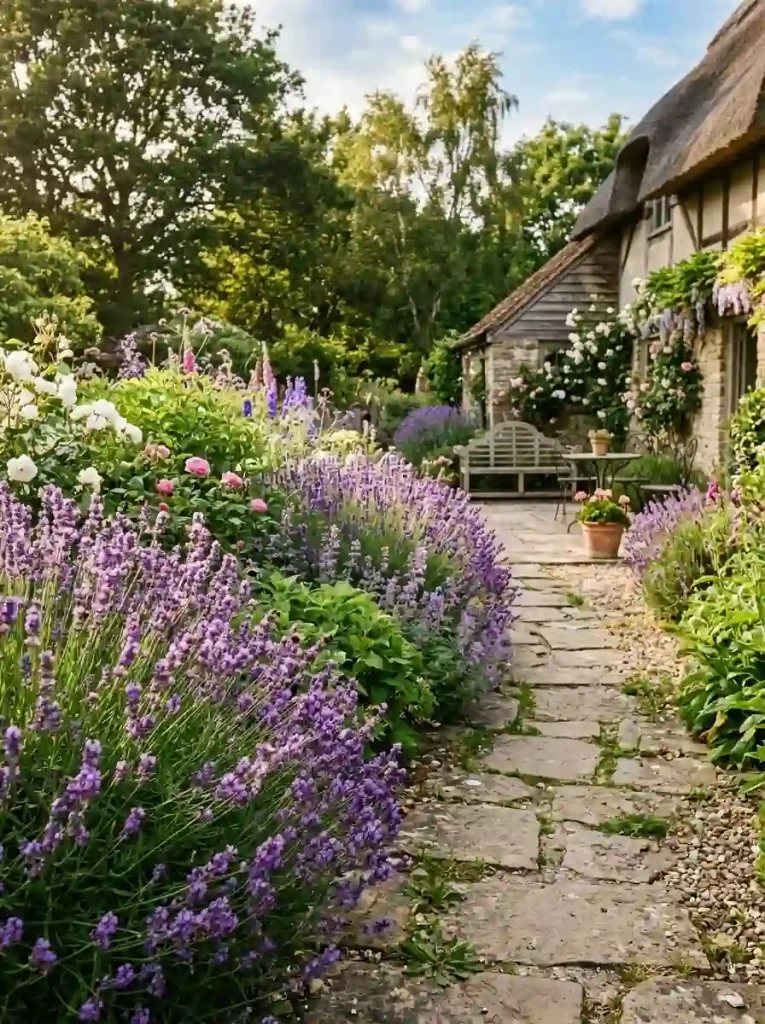
Lavender is one of the most popular fragrant plants for gardens, and its strong floral aroma makes it a beautiful addition to areas where you spend time outdoors. The purple flower spikes add color and movement while creating a relaxing atmosphere around patios, pathways, and seating areas. Lavender also thrives in sunny locations with well-draining soil, making it relatively easy to incorporate into many garden styles.
Plant lavender near seating areas, walkways, windows, or garden entrances where its fragrance can be enjoyed. Regular pruning helps maintain a compact shape and encourages healthy growth. For the best results, give lavender plenty of sunlight and avoid overly wet soil. Its silvery foliage and purple blooms also make it an attractive choice for Mediterranean, cottage, and modern garden designs.
2. Marigolds
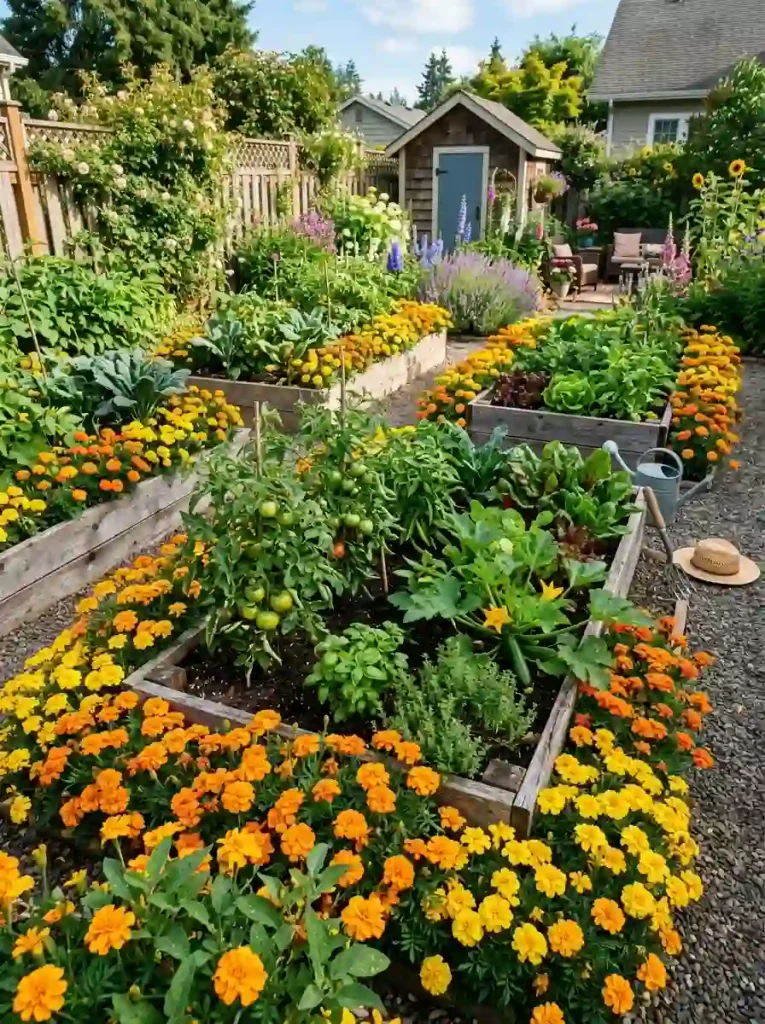
Marigolds are colorful flowering plants that are frequently grown around vegetable gardens and outdoor spaces. Their bright orange, yellow, and golden blooms provide a cheerful seasonal display while their distinctive scent makes them a popular companion plant for gardeners looking to discourage certain unwanted insects.
Grow marigolds along garden borders, around vegetable beds, or in containers near outdoor seating areas. They prefer plenty of sunlight and generally reward gardeners with continuous flowers throughout the growing season. Combining several marigold varieties can create a vibrant border that adds both visual interest and practical value to your garden.
3. Basil
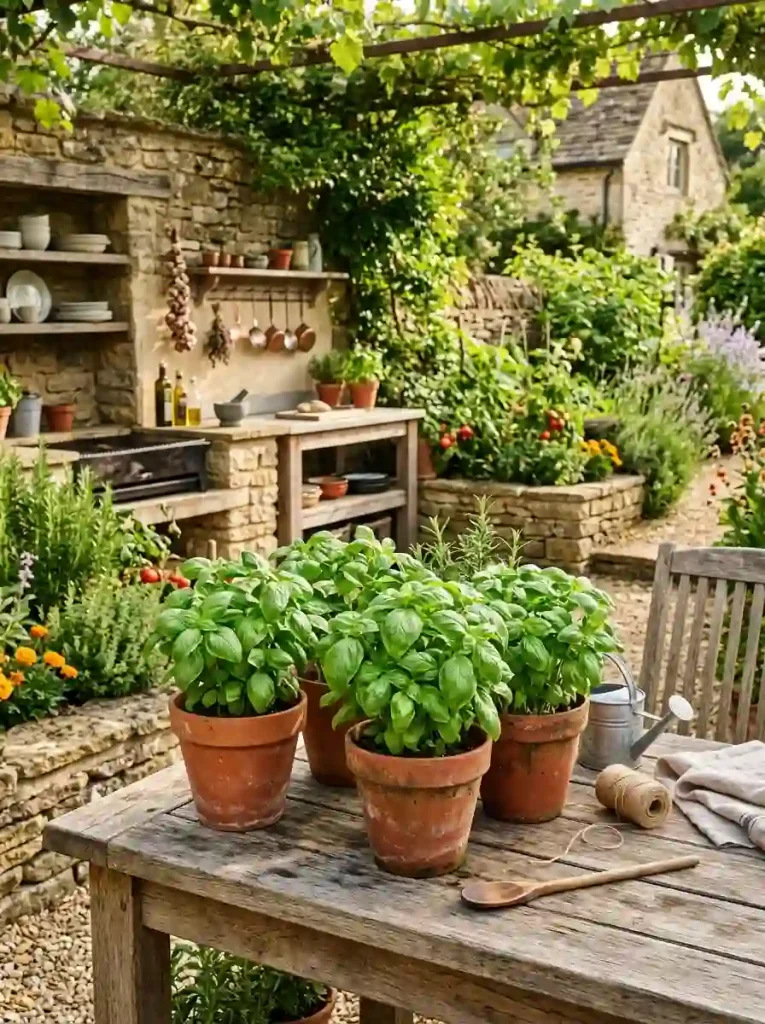
Basil is a useful herb to grow because it combines culinary value with a strong aromatic presence. Its fresh leaves release a distinctive fragrance, making it a popular choice for herb gardens, balconies, patios, and kitchen windows. The lush green foliage also adds a fresh, vibrant appearance to outdoor spaces.
Place basil containers close to outdoor dining areas or grow it alongside tomatoes and other garden vegetables. Regular harvesting encourages fresh growth and keeps the plant productive. Basil prefers warm conditions, plenty of sunlight, and consistently moist but well-drained soil, making it especially suitable for summer gardens.
4. Rosemary
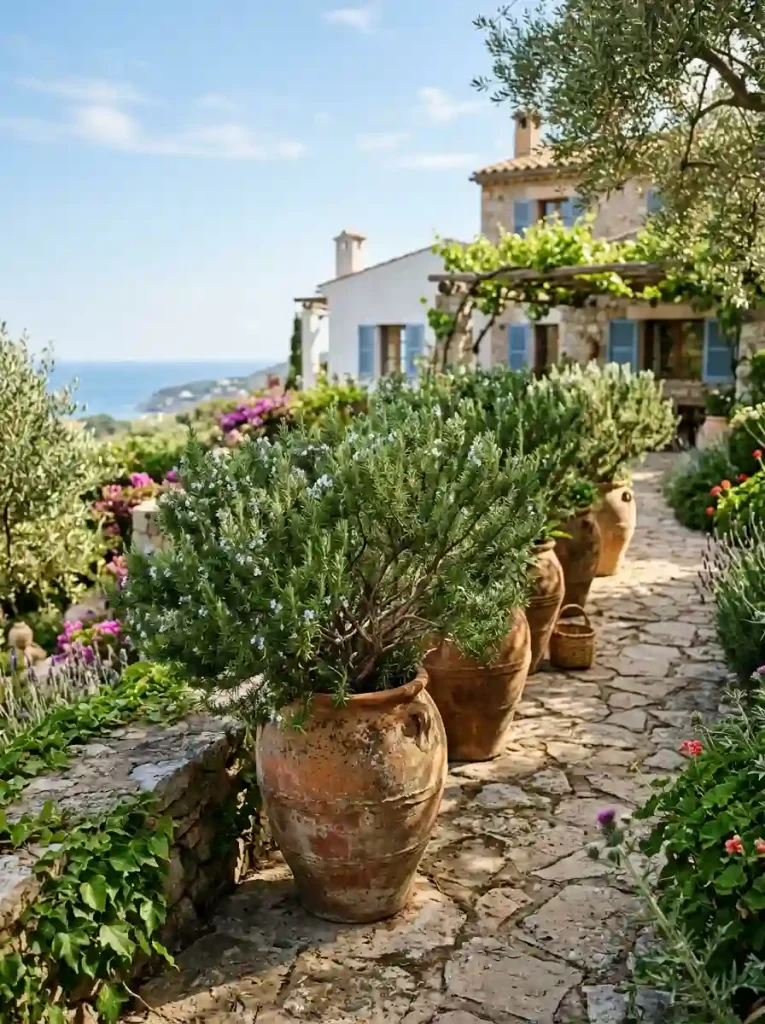
Rosemary is a wonderfully versatile herb with a strong woody fragrance and attractive evergreen foliage. Its upright growth habit works beautifully in containers, raised beds, borders, and Mediterranean-inspired gardens. The plant is also useful in the kitchen, making it an excellent choice for gardeners who want beauty and practicality together.
Place rosemary near patios, outdoor kitchens, or pathways where its aromatic foliage can be appreciated. It prefers full sunlight and well-draining soil and generally tolerates dry conditions once established. Pruning the stems regularly helps maintain a tidy shape while providing fresh rosemary for cooking.
5. Mint
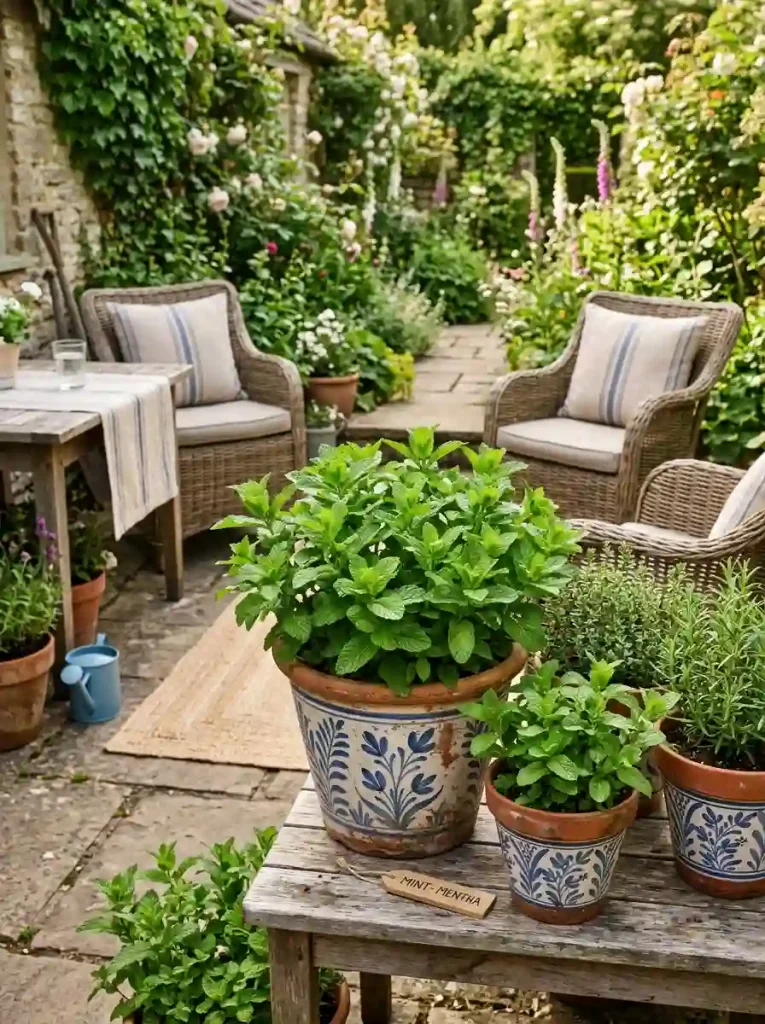
Mint produces a refreshing fragrance that makes it a popular addition to herb gardens and patio containers. Its bright green leaves add lushness to outdoor spaces, and the plant is especially easy to grow when given adequate moisture and sunlight. Because mint spreads aggressively, containers are often the easiest way to keep it controlled.
Place potted mint around patios, outdoor dining spaces, or near garden entrances. You can harvest the leaves for tea, desserts, infused water, and summer drinks. Keeping mint in separate containers also makes it easier to move the plants around your outdoor space whenever needed.
6. Lemongrass
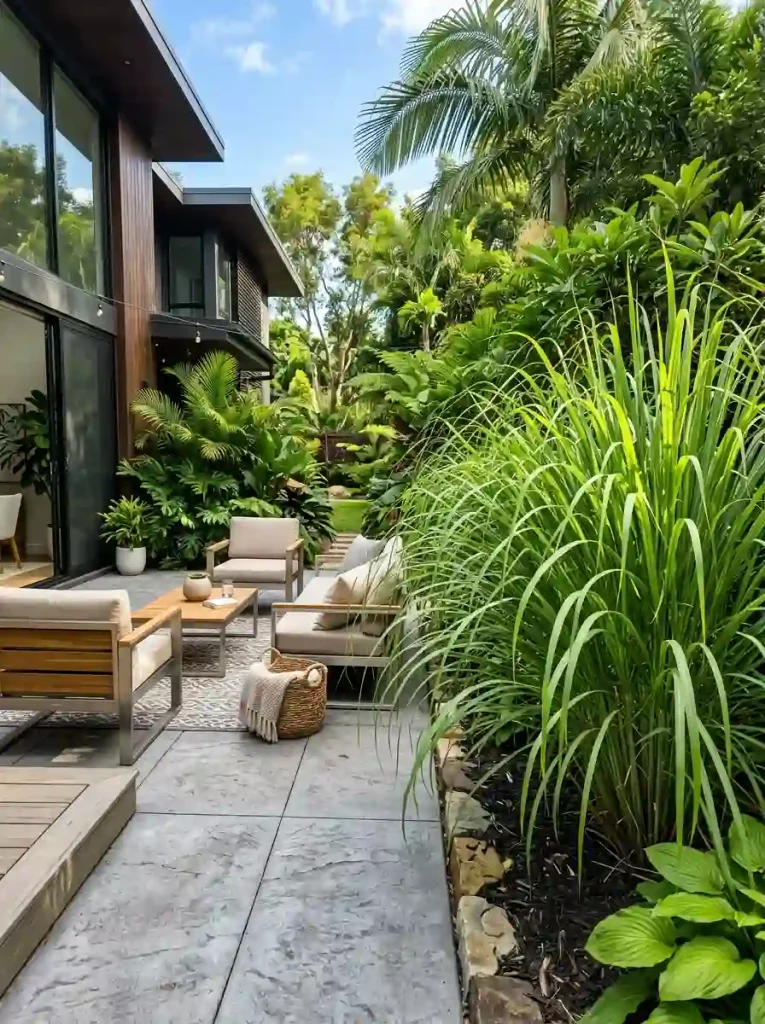
Lemongrass brings a fresh citrus aroma and architectural texture to outdoor spaces. Its tall, narrow leaves create a dramatic appearance that works particularly well around patios, pathways, and contemporary garden designs. It also provides a useful culinary ingredient for soups, curries, teas, and other dishes.
Grow lemongrass in containers or directly in sunny garden beds where temperatures are warm. Give it plenty of sunlight and regular moisture while ensuring the soil drains well. Container-grown plants are especially convenient because they can be moved to different areas of the patio or protected when temperatures drop.
7. Catnip
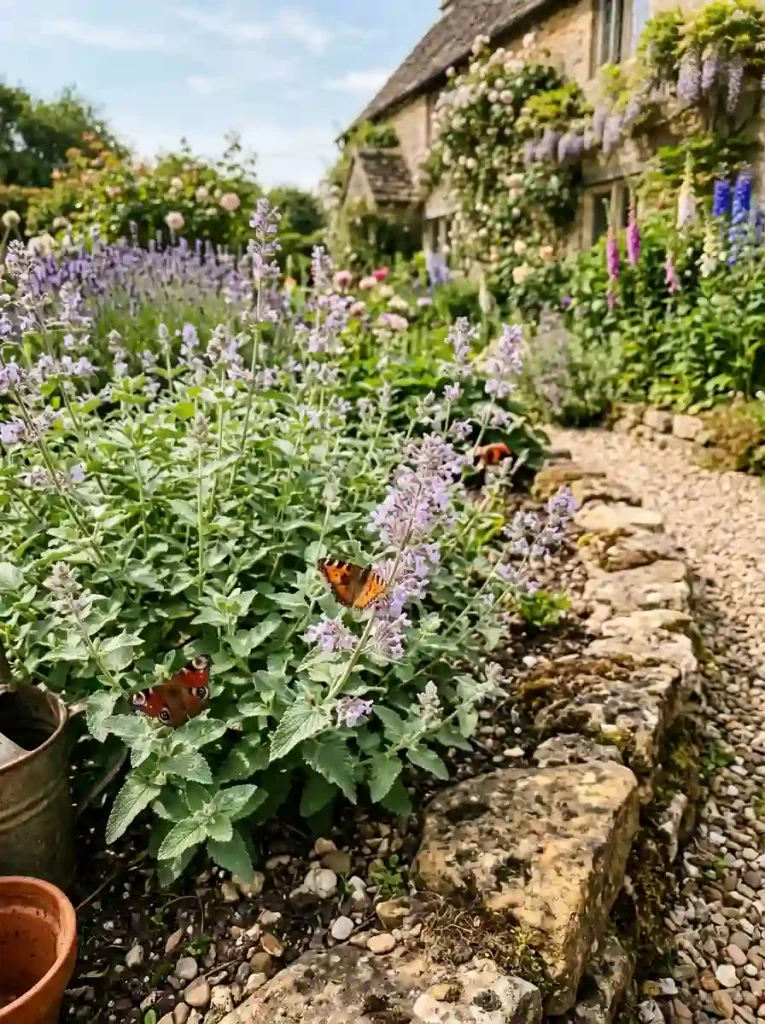
Catnip is a hardy perennial herb with aromatic foliage and delicate flowers. It can be an attractive addition to informal gardens, herb beds, and cottage-style landscapes. The plant produces soft green foliage and small pale blooms, adding texture while bringing a useful aromatic herb into your outdoor space.
Catnip grows well in sunny locations with reasonably well-draining soil and doesn’t require complicated maintenance. If you have cats, keep in mind that the plant can attract them, so choose its location accordingly. Trimming the plant after flowering can also encourage fresh, bushier growth.
8. Sage
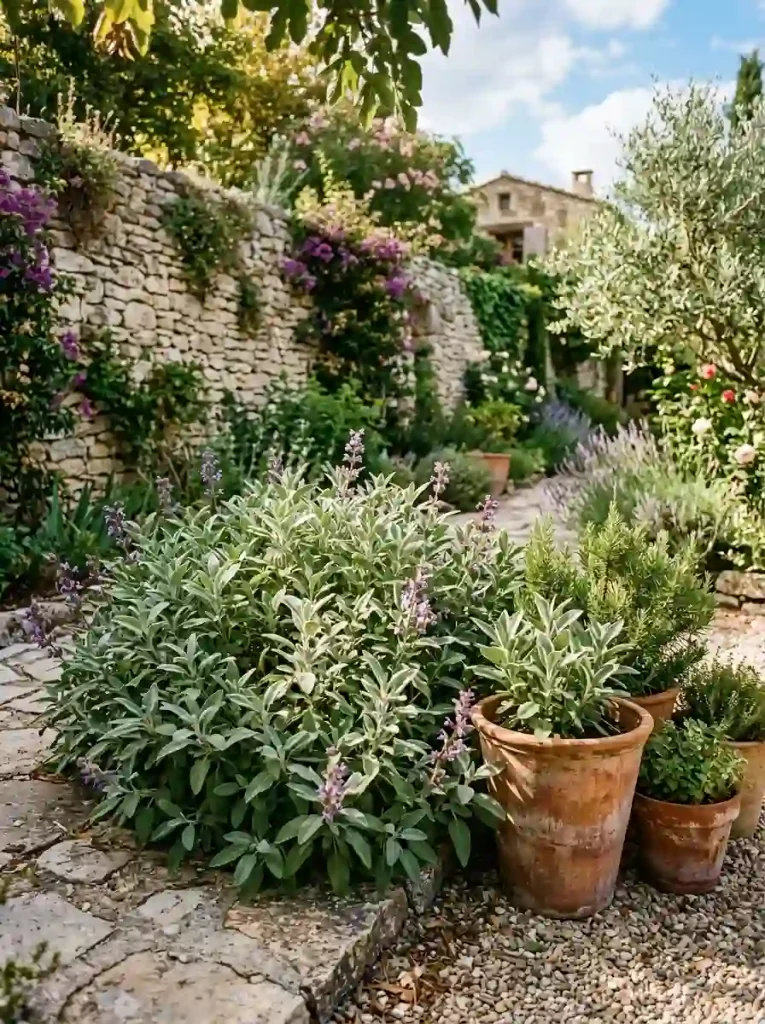
Sage is another aromatic herb that can add both texture and practical value to your garden. Its soft gray-green foliage provides a beautiful contrast against darker green plants, while its earthy fragrance makes it a popular addition to herb gardens and outdoor containers.
Grow sage in full sun with well-draining soil, especially if you’re creating a Mediterranean-inspired garden. It works beautifully alongside rosemary, thyme, lavender, and oregano. Regular harvesting encourages fresh growth, giving you a steady supply of leaves for cooking while keeping the plant attractive and compact.
9. Thyme
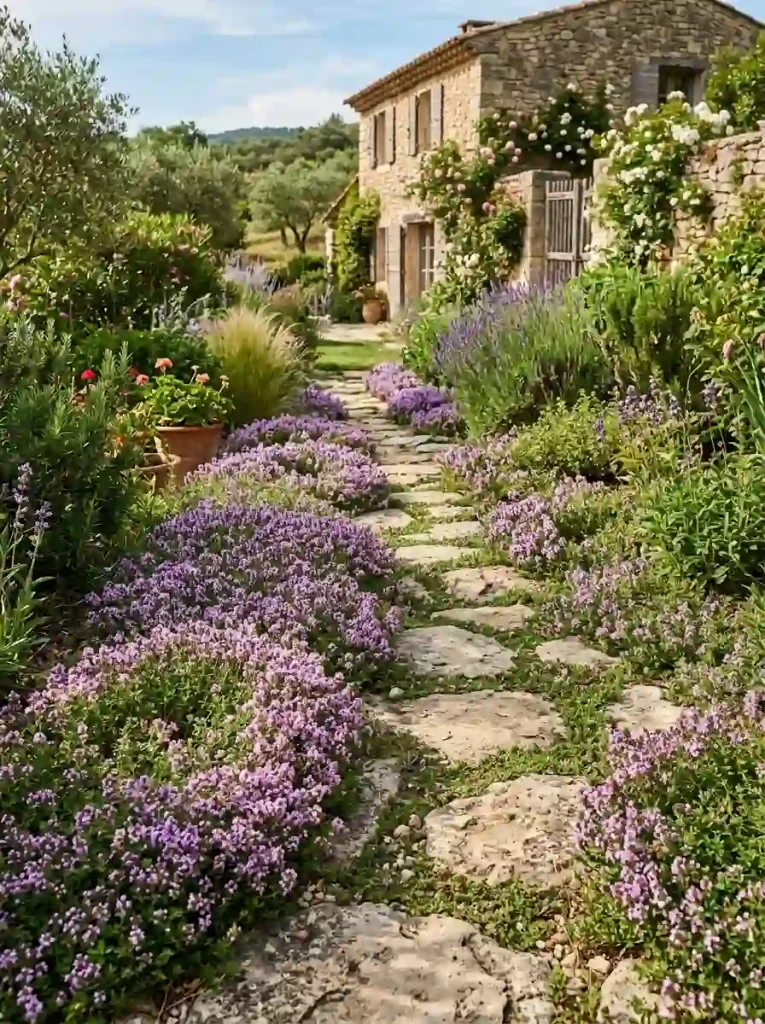
Thyme is a low-growing herb that works particularly well along pathways, garden edges, and between stepping stones. Its tiny leaves release a distinctive herbal fragrance when brushed against, while its small flowers add delicate seasonal color to the landscape.
Because thyme generally prefers sunny, well-drained locations, it is an excellent choice for rock gardens and Mediterranean-style landscaping. Plant it near pathways where its texture and fragrance can be enjoyed. It also works beautifully in containers alongside other compact culinary herbs.
Conclusion
Adding aromatic plants is a beautiful way to make your outdoor space more inviting while creating a garden filled with fragrance, color, and useful herbs. Lavender, marigolds, basil, rosemary, mint, lemongrass, and the other plants above can be incorporated into containers, borders, vegetable beds, and patios. Keep in mind that no plant guarantees complete insect control; results vary by insect species, plant variety, placement, and growing conditions. For the best results, combine plants with good garden hygiene, screens, and other appropriate pest-management methods.