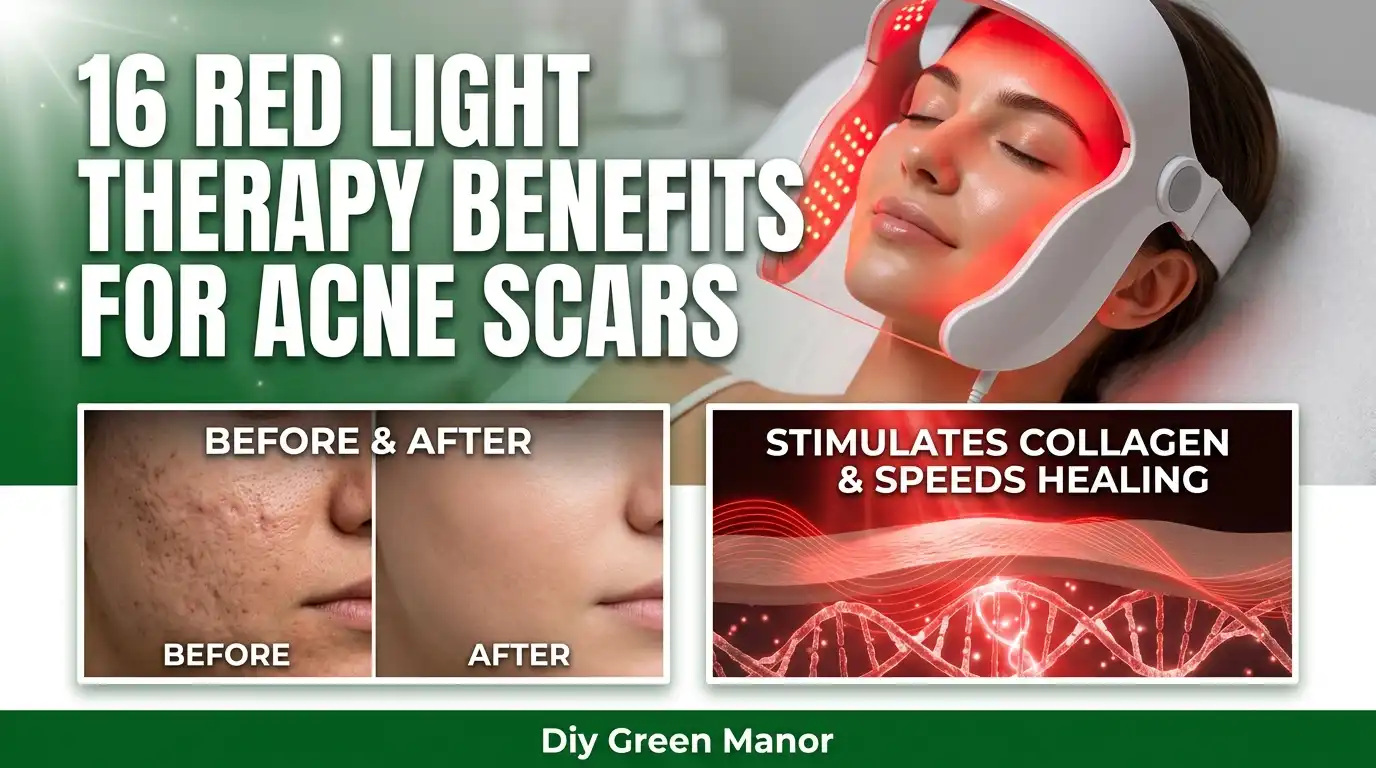
16 Red Light Therapy Benefits for Acne Scars
How 630–850nm wavelengths are quietly revolutionising scar healing, collagen production, and skin renewal backed by clinical research.
Red light therapy also known as photobiomodulation or low-level laser therapy has moved from clinical dermatology settings into everyday skincare routines for good reason. Using specific wavelengths of red and near-infrared light to penetrate skin at a cellular level, it activates healing processes that no topical cream can reach. For acne scars specifically, the results being documented are nothing short of remarkable.
BENEFIT 01
Stimulates Collagen Production to Fill Depressed Scars
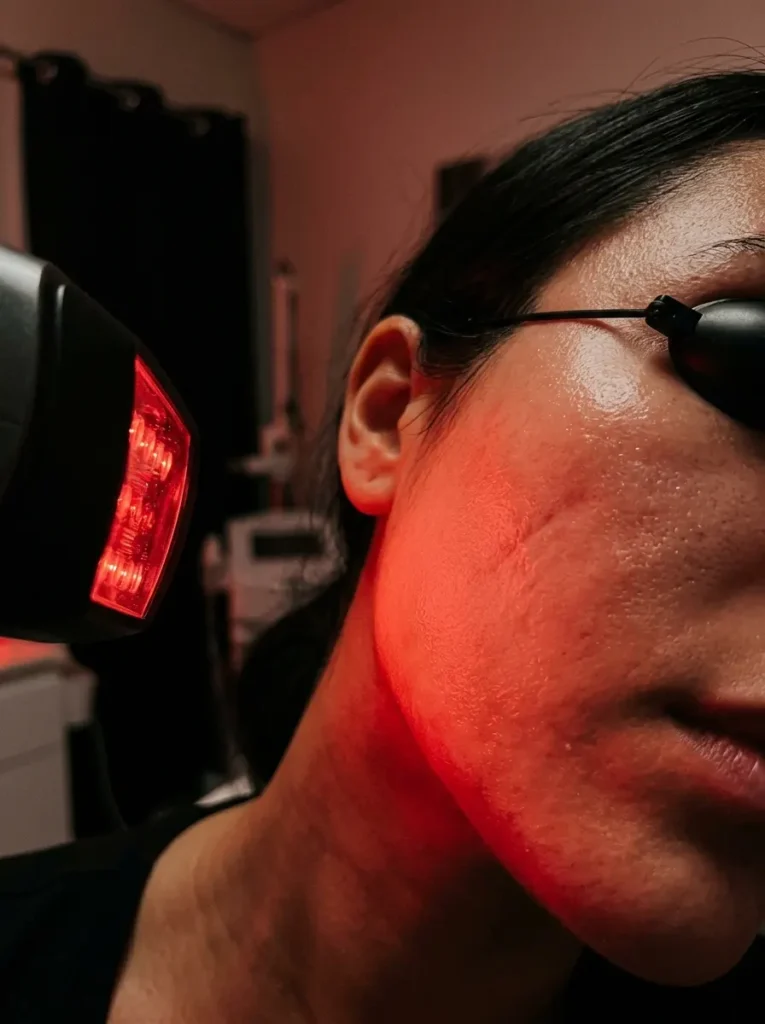
Red light at 630–660nm wavelengths penetrates the dermis and activates fibroblasts — the cells directly responsible for producing collagen. For atrophic or depressed acne scars (the sunken, pitted type most people struggle with), this is transformative. Increased collagen production gradually fills in the structural deficit left behind by damaged tissue, causing the skin surface to rise and smooth over a period of consistent treatment sessions lasting eight to twelve weeks.
Clinical studies have confirmed that repeated red light exposure can increase dermal collagen density by a measurable percentage, which translates to visible scar improvement that continues even after treatment ends. The process is cumulative — each session builds on the last — making consistency the single most important factor in achieving results. Unlike dermal fillers which provide temporary volume, the collagen your own cells produce in response to red light is permanent structural tissue that genuinely rebuilds the scar from within the skin’s deepest layers.
BENEFIT 02
Accelerates Cellular Regeneration for Faster Scar Fading
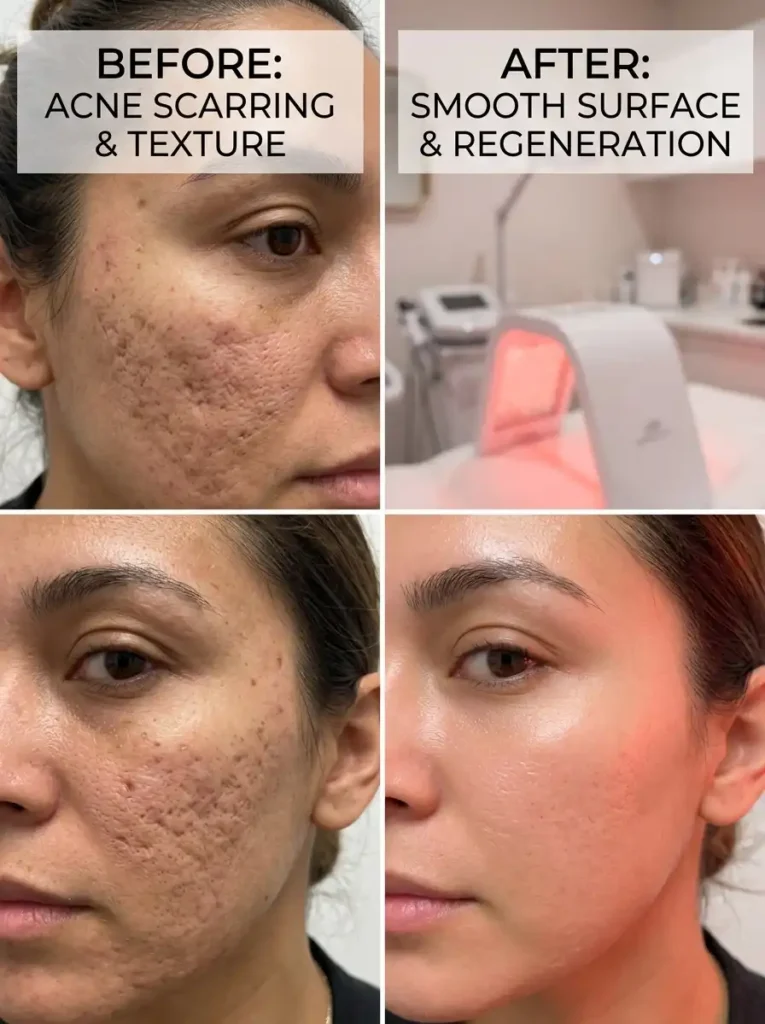
One of red light therapy’s most remarkable mechanisms is its ability to supercharge the skin’s natural cell turnover cycle. By energising mitochondria — the cell’s power generators — through a process called photobiomodulation, red light significantly increases ATP (adenosine triphosphate) production. This energy surge accelerates how quickly damaged scar cells are replaced by fresh, healthy skin cells, effectively fast-tracking the skin’s own natural healing timeline by weeks or even months depending on scar severity.
For post-acne marks that have lingered for months or years, this accelerated regeneration can be genuinely life-changing. Where the skin’s natural cycle might take years to gradually fade a scar through passive cell turnover, consistent red light therapy compresses that timeline dramatically. Users typically begin noticing that scar tissue appears lighter and smoother within four to six weeks of regular use, with continued improvements accumulating steadily over the following months of committed treatment without any downtime or recovery period required.
BENEFIT 03
Reduces Post-Inflammatory Redness in Scarred Tissue
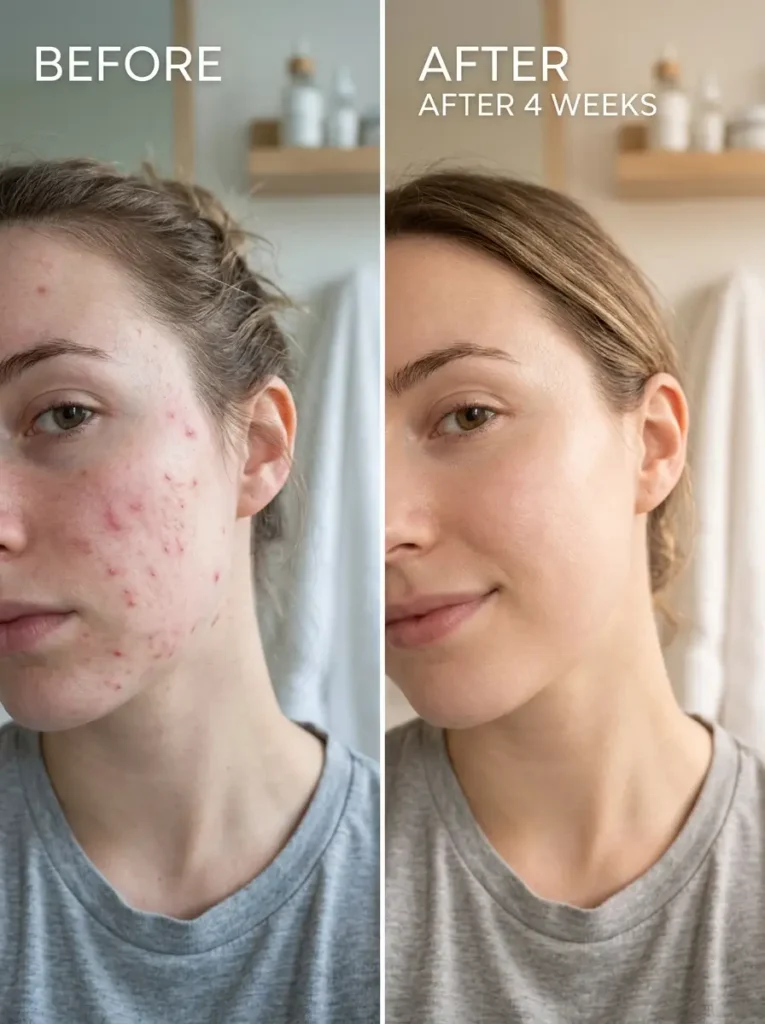
Post-inflammatory erythema — the persistent red or pink discolouration that lingers after acne heals — is one of the most frustrating aspects of acne scarring. Red light therapy addresses this directly by promoting the formation of new, healthy capillaries while reducing the inflammatory signalling that keeps damaged vessels dilated and visible beneath the skin surface. The result is a gradual, visible calming of redness that makes the complexion appear more even and controlled without the irritation risks associated with chemical treatments.
The anti-inflammatory action of red light is well-documented in clinical literature and works by modulating cytokine production — the chemical messengers that drive ongoing inflammation in scar tissue. By quieting this inflammatory cascade, red light not only reduces visible redness but also prevents the continued breakdown of collagen that inflammation can cause in established scars. This dual action — reducing current redness while protecting existing collagen — makes it uniquely effective compared to treatments that address only the surface pigmentation rather than the underlying inflammatory chemistry.
BENEFIT 04
Improves Blood Circulation to Deliver Healing Nutrients
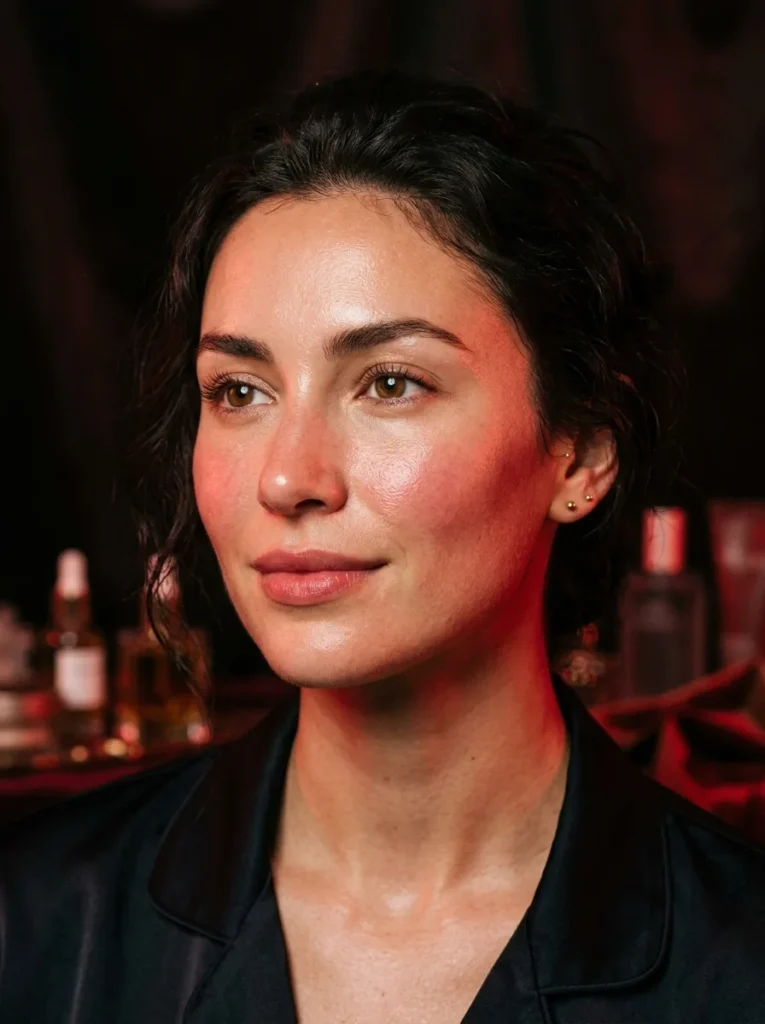
Red light therapy stimulates the release of nitric oxide from blood vessel walls, causing vasodilation — widening of the capillaries beneath the skin. This improved circulation means that oxygen, essential amino acids, and healing growth factors are delivered more efficiently to scar tissue that has often been left metabolically isolated by the fibrous, dense nature of the scar itself. Better-nourished tissue heals faster, produces more collagen, and responds more readily to other skincare products applied alongside the therapy.
The circulatory boost from red light also aids in the removal of cellular waste products and inflammatory byproducts from scar tissue, effectively clearing the environment for healthier regeneration. For older, more established scars that have become somewhat dormant in their healing, this vascular stimulation can reactivate the healing process in tissue that the body had essentially accepted as permanent. This makes red light therapy particularly valuable for people dealing with scars that have stopped improving on their own and seem to have reached a healing plateau.
BENEFIT 05
Fades Post-Acne Hyperpigmentation and Dark Spots
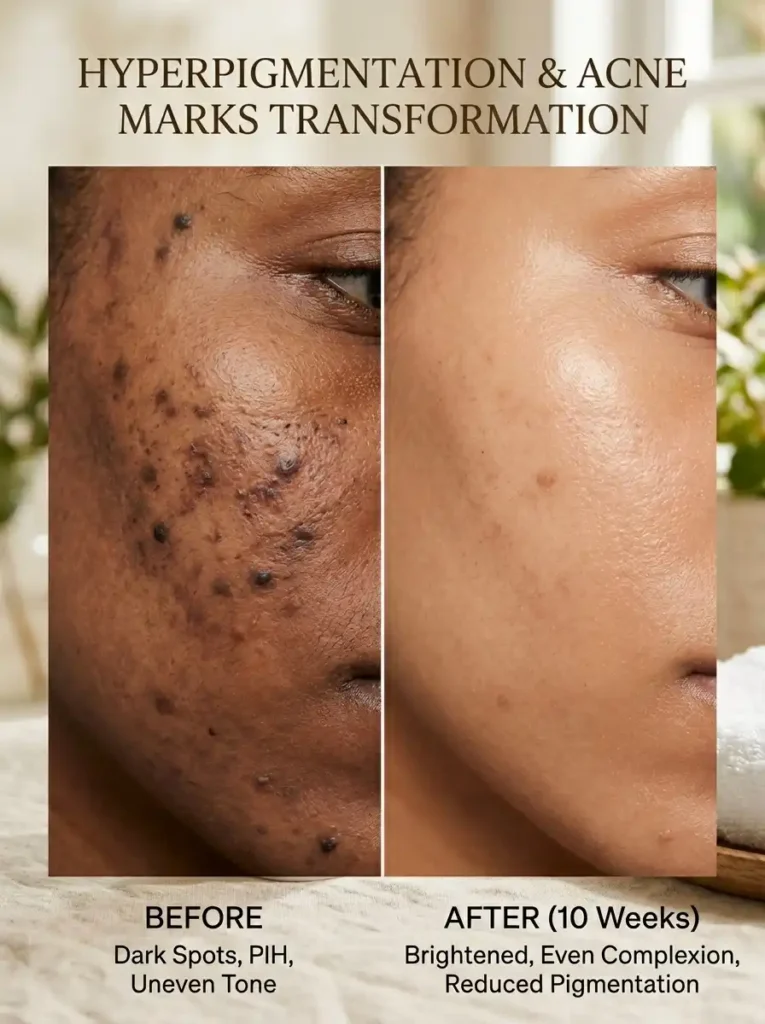
Post-inflammatory hyperpigmentation — the dark spots left after acne inflammation — occurs when melanocytes overproduce melanin in response to skin injury. Red light therapy helps regulate this process by reducing the inflammatory signals that trigger excess melanin production in the first place. Over time, consistent treatment leads to a measurable reduction in the darkness of post-acne marks, particularly when combined with a broad-spectrum SPF to prevent UV exposure from counteracting the lightening progress being achieved beneath the surface.
The pigmentation-fading benefit of red light is gentler and more gradual than chemical approaches like hydroquinone or aggressive peels, making it suitable for all skin tones including deeper complexions where aggressive brightening treatments carry the risk of causing further discolouration. For Fitzpatrick skin types IV through VI who are statistically most prone to post-inflammatory hyperpigmentation from acne, red light offers a safe, non-irritating brightening pathway that works with the skin’s biology rather than chemically forcing melanin reduction in ways that can sometimes worsen the very problem being treated.
#HyperpigmentationSave Pin
BENEFIT 06
Strengthens the Skin Barrier to Prevent New Scarring
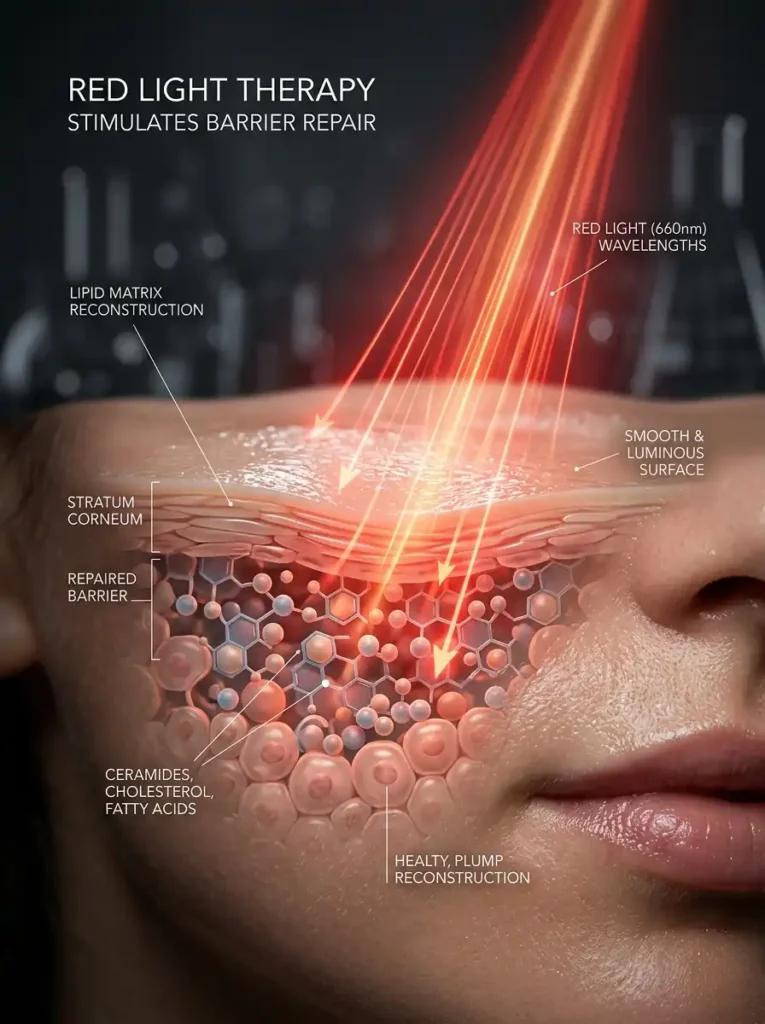
A compromised skin barrier is one of the key reasons acne progresses from a breakout to a scar — when the barrier is weak, inflammation spreads deeper into the dermis where it causes the structural damage that leaves permanent marks. Red light therapy actively strengthens the skin barrier by increasing the production of ceramides and promoting tighter connections between skin cells (tight junctions), reducing the depth and severity with which future acne can penetrate and cause long-term damage in susceptible individuals.
This preventative benefit is often overlooked in discussions of red light therapy for acne scars, but it is arguably as important as the corrective benefits. By building a more resilient skin barrier over time, users reduce both the severity of current acne breakouts and their tendency to leave scars behind. People who use red light therapy consistently often report that their acne, when it does occur, heals much more cleanly and quickly without the extended inflammation period that previously resulted in dark marks and textural changes lasting months beyond the original breakout.
#SkinBarrierSave Pin
BENEFIT 07
Softens Raised and Hypertrophic Scar Tissue

While red light therapy is often discussed in the context of depressed acne scars, it provides meaningful benefit for raised scars as well. Hypertrophic scars — those that sit above the skin surface due to excess collagen deposited during healing — respond to red light through a process of collagen remodelling. The light energy encourages the body to replace the disorganised, bundled collagen fibres of scar tissue with a more ordered, flatter arrangement that gradually reduces the raised profile of the scar and improves its overall appearance and texture considerably.
The softening of raised scar tissue through red light is a slower process than other benefits, typically requiring four to six months of consistent use, but the results can be remarkable. Users often describe a progressive flattening and softening of the scar surface alongside a reduction in any associated redness or sensitivity that raised scars frequently carry. For keloid-prone individuals, red light therapy may also help manage the inflammatory signalling that drives excessive collagen production, though keloid scars generally require additional clinical intervention alongside any light therapy protocol.
BENEFIT 08
Increases Skin Luminosity and Overall Radiance

Beyond its targeted scar-healing benefits, red light therapy produces a global improvement in skin radiance that users notice within even the first few sessions. By increasing cellular energy production and improving circulation simultaneously, the entire complexion takes on a healthier, more luminous quality — the kind of inner glow that is notoriously difficult to replicate with makeup or topical products alone. This broad brightening effect is particularly noticeable in dull, uneven complexions that have been dulled by years of acne, inflammation, and the oxidative stress that comes with it.
The radiance improvement comes from multiple mechanisms acting in concert: better circulation delivering more oxygen to skin cells, increased cellular metabolism producing more efficient energy usage, and improved skin hydration from enhanced barrier function all working together to produce skin that looks genuinely healthier and more alive. For people whose complexion has been affected by years of acne and subsequent scarring, this full-face brightening effect is often the first visible improvement they notice — appearing within two to three weeks before more specific scar changes become apparent on previously damaged areas of skin.
#SkinGlowSave Pin
BENEFIT 09
Enhances Skin Hydration in Scar-Damaged Areas
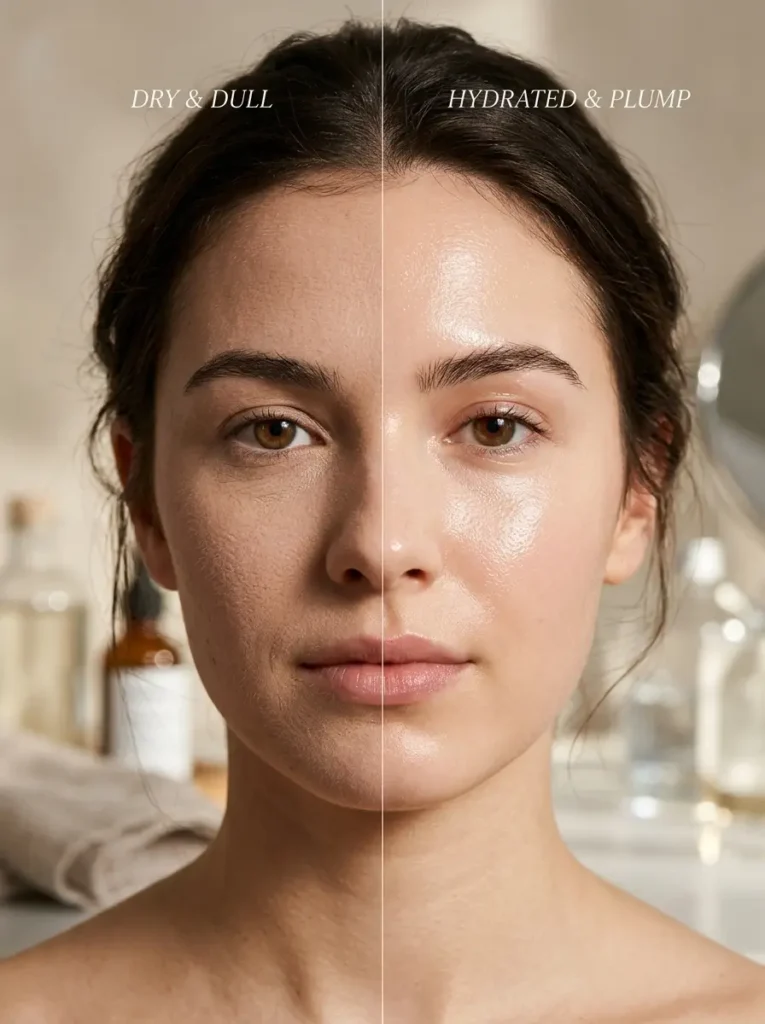
Scar tissue is notoriously poor at retaining moisture — the altered collagen structure and reduced sebaceous gland activity in scarred skin means it tends to feel tight, dry, and rough compared to surrounding tissue. Red light therapy helps address this by stimulating the production of hyaluronic acid — the skin’s primary water-binding molecule — directly within the treated tissue. Improved hyaluronic acid levels allow scar tissue to hold hydration more effectively, gradually improving its texture and making it feel more consistent with the surrounding healthy skin over time.
The hydration benefits are quickly compounded by the barrier strengthening effects of regular red light use, creating a self-reinforcing cycle where better-hydrated skin maintains its barrier more effectively, which in turn retains even more moisture in a positive feedback loop. For people whose acne scarring has left patches of persistently dry or flaky skin, this hydration improvement can be one of the most practically noticeable changes — producing a more comfortable, plump texture that absorbs subsequent skincare products more evenly and responds better to other targeted treatments being used alongside the red light protocol.
#SkinHydrationSave Pin
BENEFIT 10
Reduces Active Acne to Prevent Future Scar Formation
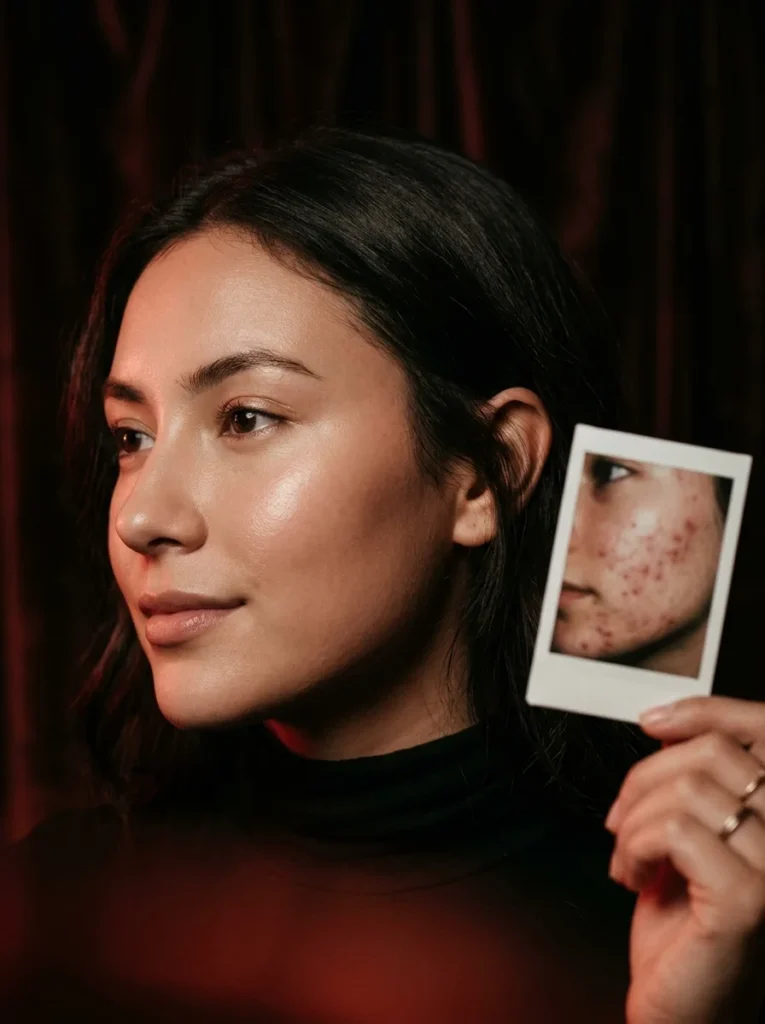
You cannot fully address acne scarring without also addressing the source — and red light therapy is clinically proven to reduce active acne by targeting Propionibacterium acnes (C. acnes) bacteria and reducing the sebaceous gland activity that feeds acne formation. While blue light (415nm) is the primary antibacterial wavelength, red light works synergistically by reducing the inflammation that converts mild breakouts into the severe, deep lesions most likely to leave permanent scarring. Fewer severe breakouts naturally means significantly fewer new scars forming alongside the existing ones being treated.
Many red light therapy devices designed for facial use combine both red and blue light wavelengths specifically to address both existing scars and active acne simultaneously, making the treatment a comprehensive skin health protocol rather than a single-purpose tool. This dual action is particularly valuable for people who are still experiencing active breakouts alongside healing acne scars — the classic frustrating situation of trying to fade old marks while new ones keep forming. Red and combined light therapy breaks this cycle by addressing both problems in a single, non-invasive, gentle daily session that integrates easily into any skincare routine.
#AcnePreventionSave Pin
BENEFIT 11
Minimises Enlarged Pores Associated with Acne-Prone Skin
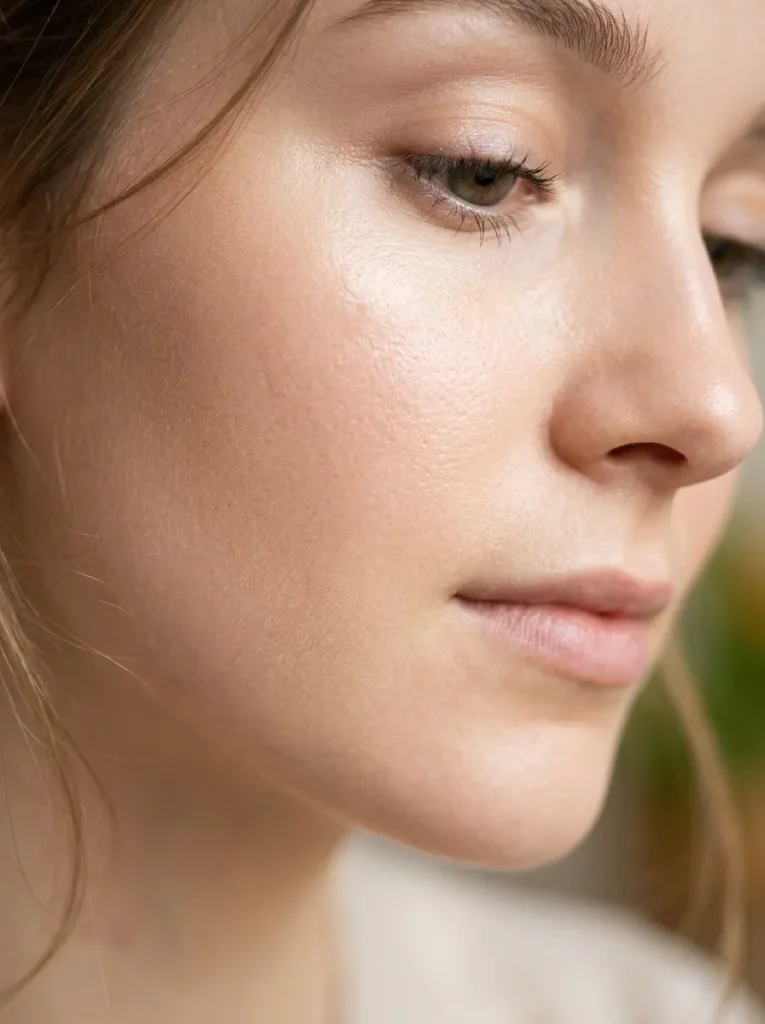
Enlarged pores are a common companion to acne-scarred skin — years of clogged pores, inflammation, and lost elasticity around pore openings leave them visibly widened and difficult to minimise with topical treatments alone. Red light therapy addresses pore size through two primary mechanisms: by stimulating collagen and elastin production in the tissues surrounding pore walls (which physically tightens and reduces pore appearance), and by reducing the sebum overproduction that stretches pores open in the first place. The result is a progressive, natural-looking pore refinement without the irritation of harsh astringents.
The pore-minimising effect becomes increasingly apparent as collagen production accumulates over weeks and months of treatment. The new collagen formed in response to red light literally provides a structural scaffolding around pore openings that prevents them from stretching and relaxing with repeated breakout cycles. Users with acne-prone, enlarged-pore complexions often notice this benefit clearly in photographs — the overall skin texture appears smoother and more refined, with the shallow, open-pore appearance that often covers the nose and cheek area gradually giving way to a tighter, more porcelain-like surface texture that makes the complexion look healthier and younger overall.
BENEFIT 12
Soothes Sensitised Skin Alongside Scar Treatments
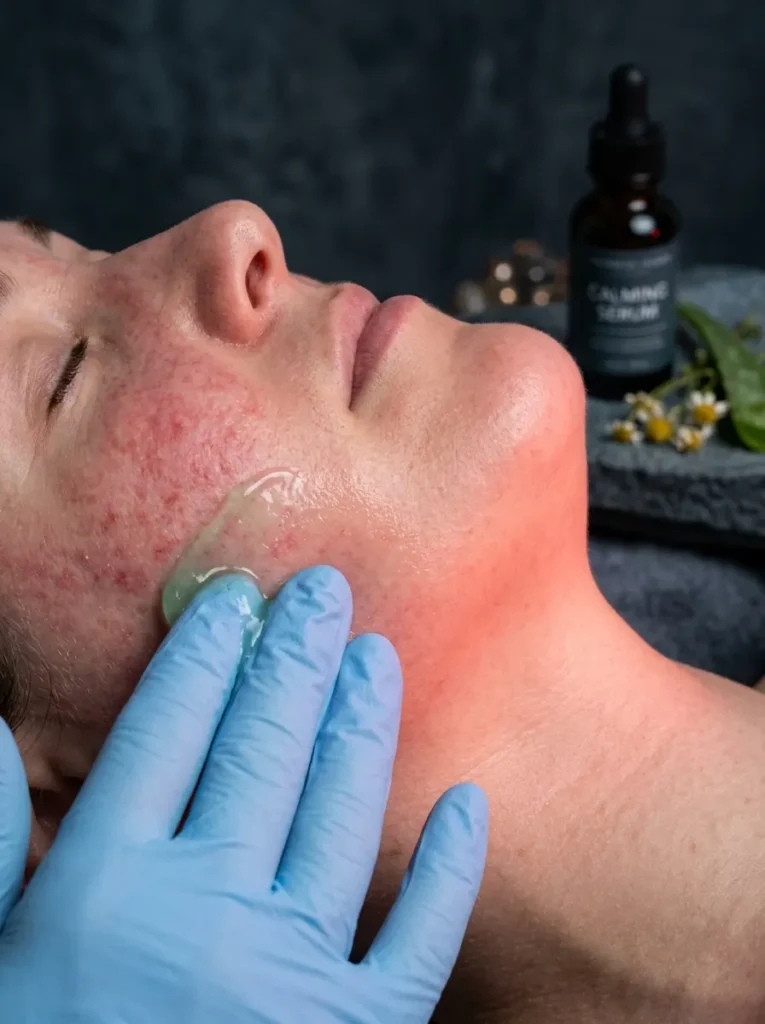
For people combining red light therapy with other active scar treatments — retinoids, chemical exfoliants, or microneedling — its anti-inflammatory and barrier-strengthening properties make it an excellent recovery tool that reduces the sensitivity and downtime these treatments typically require. Red light is one of the few skincare tools that can be safely used during or immediately after more aggressive treatments, helping to calm the inflammation and accelerate the healing process that aggressive exfoliation or physical resurfacing intentionally triggers in the skin’s deeper layers.
Dermatologists increasingly recommend red light therapy as a complementary protocol to more aggressive scar treatments precisely because of this soothing, recovery-accelerating quality. Using it in the days immediately following microneedling or a chemical peel, for example, has been shown to reduce healing time significantly while amplifying the collagen-producing effects of those treatments. The combination approach allows people to pursue more intensive scar correction protocols with less downtime and discomfort — achieving better results more comfortably and quickly than either treatment could reliably deliver when used as a standalone therapy in clinical settings.
#SkinSoothingSave Pin
BENEFIT 13
Delivers Anti-Ageing Benefits Alongside Scar Healing
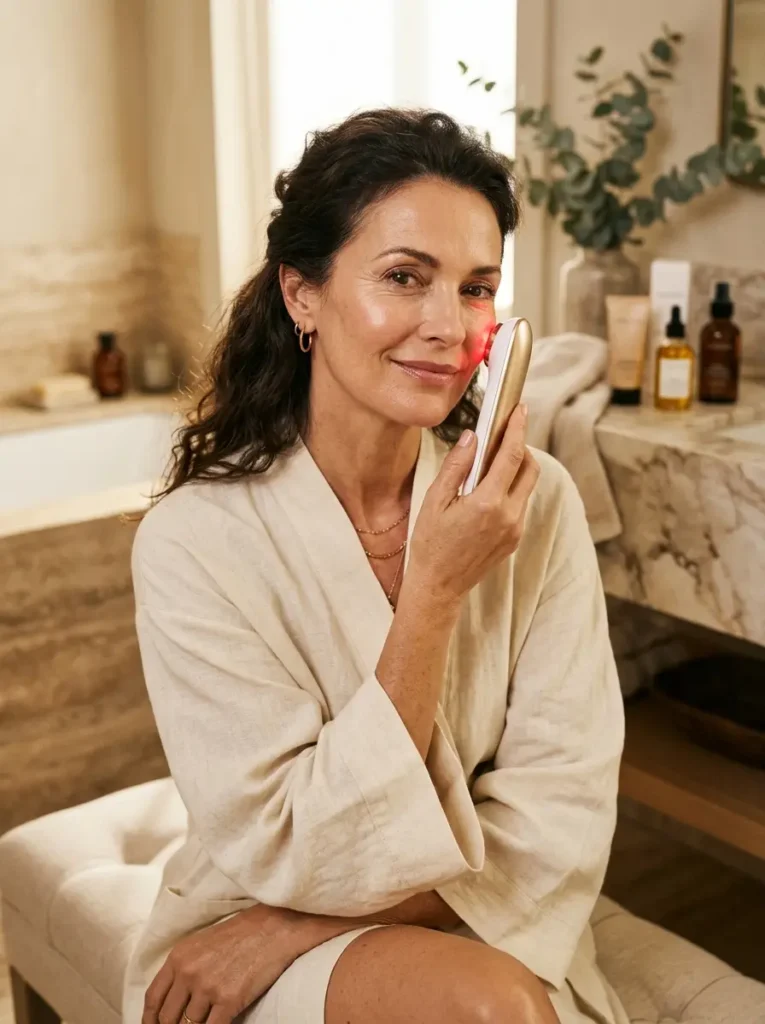
One of the most appealing aspects of red light therapy for acne scar treatment is that its core mechanism — stimulating collagen and elastin production — also happens to be the gold standard approach for anti-ageing skin care. While targeting acne scars, users simultaneously receive the full anti-ageing benefits of enhanced structural protein production: reduced fine lines, improved skin firmness, better elasticity, and a more youthful overall complexion. It is a rare treatment that addresses both skin concerns with a single, consistent protocol requiring no additional time or product investment.
For adults in their late twenties and beyond who are dealing with both ageing concerns and residual acne scarring simultaneously, this dual benefit is particularly valuable. The collagen prompted by red light helps fill and smooth fine lines with the same mechanism it uses to reduce depressed acne scars, and the improved elastin production tightens overall skin texture in ways that benefit both concerns equally. This means that the improvements accumulate across the entire face rather than being limited to scar sites alone — users often describe looking generally fresher, more rested, and healthier throughout the course of treatment beyond the specific scar areas being targeted.
#AntiAgingSave Pin.
BENEFIT 14
Safe for All Skin Tones with No Risk of Discolouration
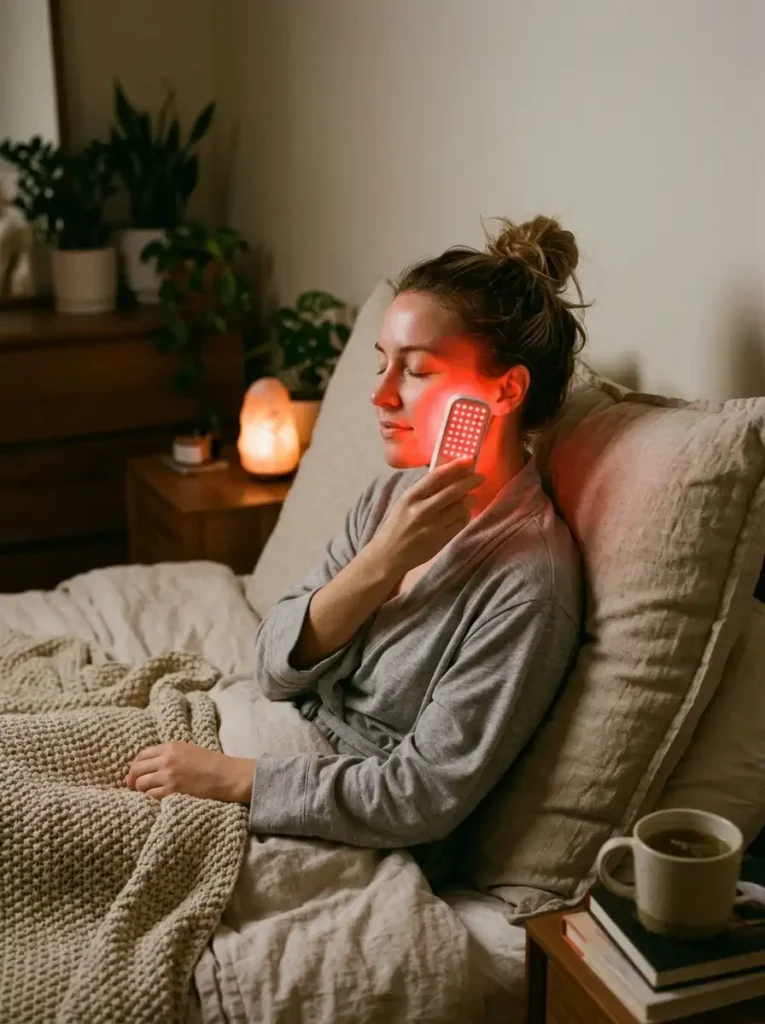
One of red light therapy’s most significant advantages over many other acne scar treatments is its complete safety across all Fitzpatrick skin types. Laser resurfacing, chemical peels, and some IPL treatments carry a meaningful risk of post-inflammatory hyperpigmentation in darker skin tones — the very problem they are being used to treat. Red light, operating at non-ablative wavelengths that generate no heat damage and trigger no inflammatory injury response, is equally safe and effective for skin tones I through VI with no risk of inducing the discolouration darker-skinned users must otherwise vigilantly guard against.
This inclusivity makes red light therapy a genuinely universal scar treatment option in a field where many effective treatments have historically been developed for and tested primarily on lighter skin tones. Black, Brown, and Asian skin tones — which are disproportionately affected by post-inflammatory hyperpigmentation and often have fewer safe treatment options — benefit fully from red light without modification of protocol or increased risk of adverse effects. For dermatologists treating diverse patient populations, this safety profile makes red light therapy a first-line recommendation that can be confidently offered to every patient regardless of their baseline skin tone or melanin density.
#AllSkinTonesSave Pin
BENEFIT 15
Improves Skin Confidence with Gradual, Natural-Looking Results

The psychological dimension of acne scarring is profound and frequently underaddressed in purely clinical discussions of treatment. Red light therapy’s gradual, cumulative improvement trajectory is uniquely well-suited to the emotional journey of scar healing — changes happen progressively enough that they feel natural and owned rather than sudden and surgical, allowing confidence to grow alongside the physical improvements in a way that many patients describe as deeply satisfying and empowering compared to more dramatic interventions that produce abrupt, sometimes uncomfortable transformations.
The at-home accessibility of quality red light therapy devices means that the treatment becomes a self-care ritual — a consistent, intentional act of skin investment that itself carries psychological benefit beyond the physical results. Taking ten minutes each day to actively care for your skin in a gentle, science-backed way fosters a different relationship with one’s complexion than the shame-driven avoidance that acne scarring often produces. Many users report that the act of consistent, caring treatment — independent of visible results — begins to shift their relationship with their skin toward one of patience, investment, and ultimately a reclaimed sense of ownership and pride in their appearance.
#SkinConfidenceSave Pin
BENEFIT 16
Amplifies Absorption of Topical Scar Serums and Actives
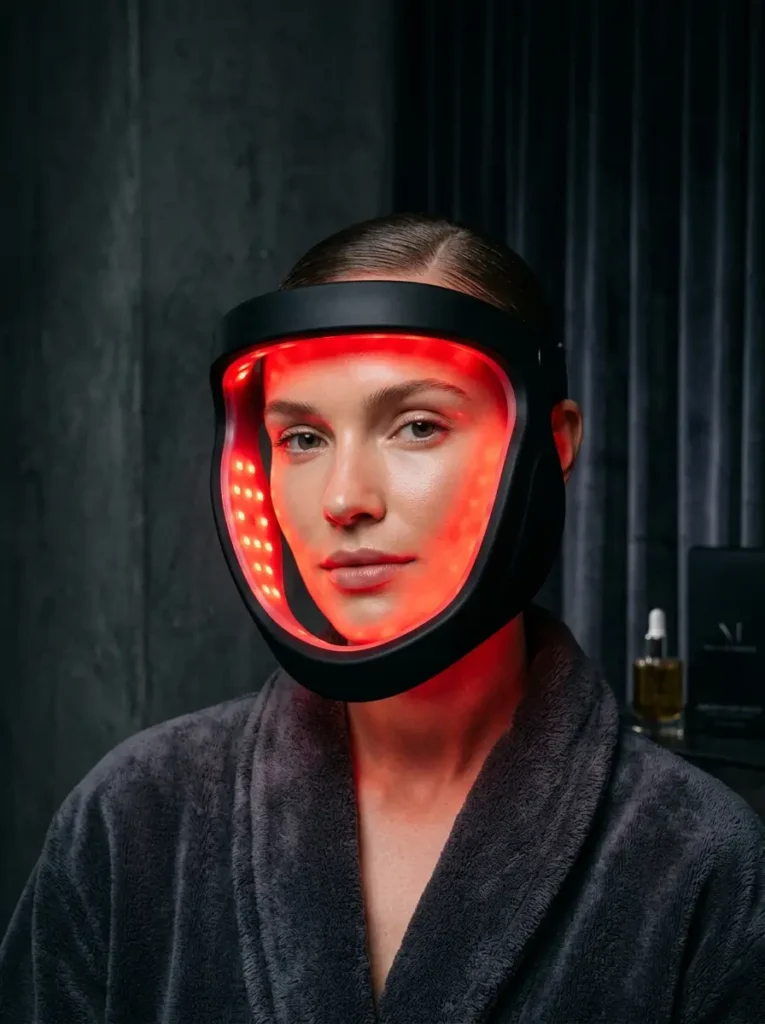
Red light therapy’s vasodilatory effect — the widening of micro-capillaries beneath the skin — also produces a secondary benefit that significantly enhances the results of topical scar treatments applied after each session. With circulation improved and the skin’s metabolic rate temporarily elevated post-treatment, products applied within the twenty to thirty minute window following a red light session are absorbed more deeply and efficiently than at any other point in the skincare routine. Vitamin C serums, retinoids, niacinamide, and peptide complexes all penetrate more effectively into the very dermal layers where their scar-healing activity is most needed.
Skincare professionals sometimes refer to this post-light-therapy window as the “treatment window” — a brief period of heightened receptivity during which the skin is essentially primed for maximum product efficacy. Applying your most active, most targeted scar-healing products during this window creates a synergy where the physical improvements driven by red light are complemented and accelerated by deeper product penetration than passive topical application can achieve alone. This layering approach — red light followed immediately by targeted actives — is increasingly recommended by dermatologists as the most efficient and comprehensive strategy for addressing stubborn acne scarring that has resisted single-modality treatment approaches.
#SkincareSynergySave Pin
The Science Behind the Light
Red light therapy uses specific wavelengths to penetrate skin at different depths, activating the cellular machinery your body already has — and simply needs the right signal to activate more powerfully.
630nm
Surface & Dermal
850nm
Deep Tissue
10–20
Mins Per Session
3–5×
Weekly Frequency