
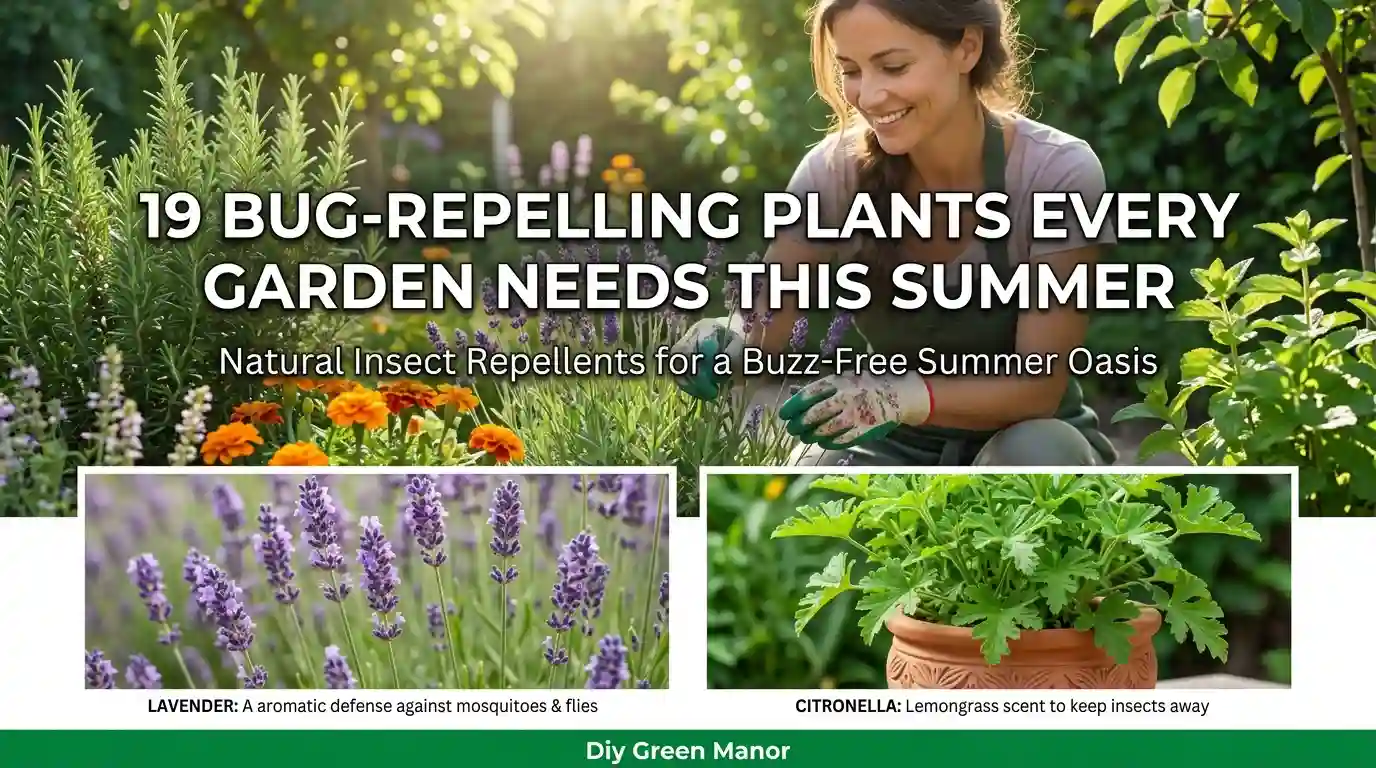
19 Bug Repelling Plants Every Garden Needs This Summer
1.Lavender: The Fragrant Garden Guardian

Lavender is one of the most beautiful and practical plants you can add to your summer garden. Its signature fragrance is loved by people but disliked by many pests, including mosquitoes, moths, and flies. The tall purple flower spikes create stunning visual interest while filling outdoor spaces with a calming scent. Whether planted along walkways, near patios, or in decorative containers, lavender instantly adds elegance and charm to any landscape.
Beyond its beauty, lavender is incredibly low maintenance and drought tolerant once established. It thrives in sunny locations with well draining soil and can continue blooming throughout the warm season. Pollinators such as bees and butterflies are attracted to its nectar rich flowers, helping support a healthy garden ecosystem. Combining ornamental appeal with natural pest control makes lavender a must have summer plant for gardeners who want both function and style.
2.Citronella Grass: Nature’s Mosquito Fighter

Citronella grass is widely known for its ability to help deter mosquitoes naturally. The plant contains aromatic oils often used in insect repellent candles and sprays. When grown in garden beds or large containers, citronella grass adds lush greenery while contributing to a more comfortable outdoor environment. Its tall, fountain like leaves create texture and movement, making it an attractive addition to patios, decks, and entertainment areas.
This tropical plant thrives in warm temperatures and plenty of sunlight. Gardeners often place citronella near seating areas where family and guests gather during summer evenings. The fresh lemony scent released from the foliage helps create a pleasant atmosphere while discouraging unwanted insects. Pairing citronella with flowering plants and decorative planters can transform ordinary outdoor spaces into stylish, bug resistant retreats perfect for summer relaxation.
3.Marigolds: Bright Blooms with Powerful Protection
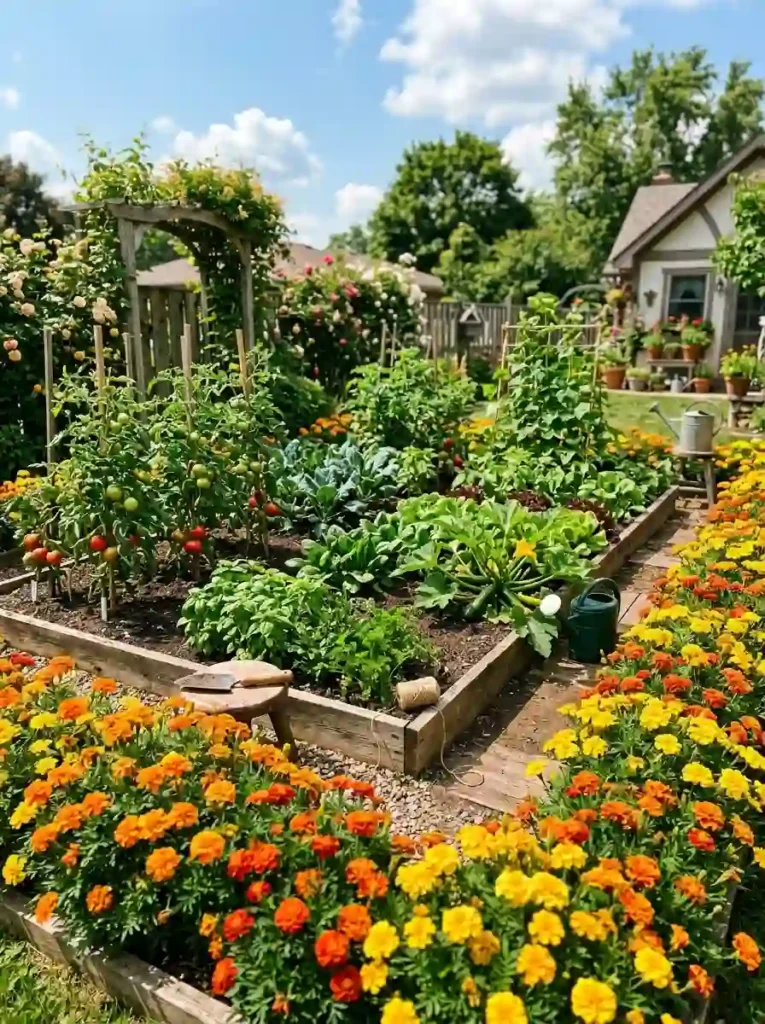
Marigolds bring cheerful color to gardens while serving as one of the most effective companion plants for pest control. Their strong scent can help repel mosquitoes, aphids, and certain beetles. Many vegetable gardeners plant marigolds around tomatoes, peppers, and cucumbers to discourage harmful insects. Their vibrant orange and yellow blooms create eye catching borders that brighten any landscape throughout the summer months.
Easy to grow from seed, marigolds flourish in full sun and tolerate a variety of soil conditions. They bloom continuously when deadheaded regularly, providing months of color and protection. Their compact growth habit makes them suitable for flower beds, containers, and raised gardens. Combining visual impact with practical benefits, marigolds are an excellent choice for gardeners seeking a natural and colorful approach to pest management.
4.Basil: Delicious Herb, Effective Repellent
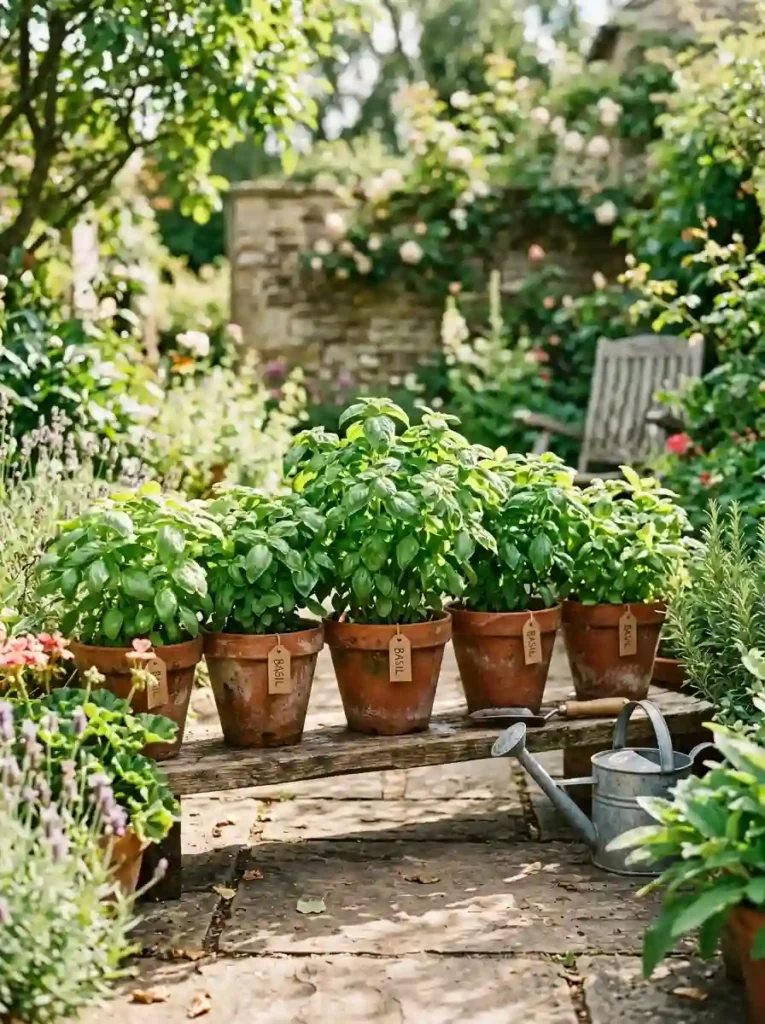
Basil is much more than a flavorful culinary herb. Its aromatic leaves can help deter mosquitoes and flies, making it a useful addition to outdoor spaces. Placing basil containers near patios, outdoor dining areas, or kitchen entrances provides easy access for cooking while helping keep pests at bay. The rich green foliage also adds freshness and texture to herb gardens and decorative arrangements.
Growing basil is relatively simple in warm summer weather. It prefers plenty of sunshine and consistent watering to produce lush leaves throughout the season. Frequent harvesting encourages bushier growth and ensures a steady supply for recipes. Gardeners appreciate basil because it combines beauty, practicality, and delicious flavor in one plant. Its versatility makes it an essential addition to both ornamental and edible summer gardens.
5.Rosemary: Aromatic Beauty for Outdoor Spaces
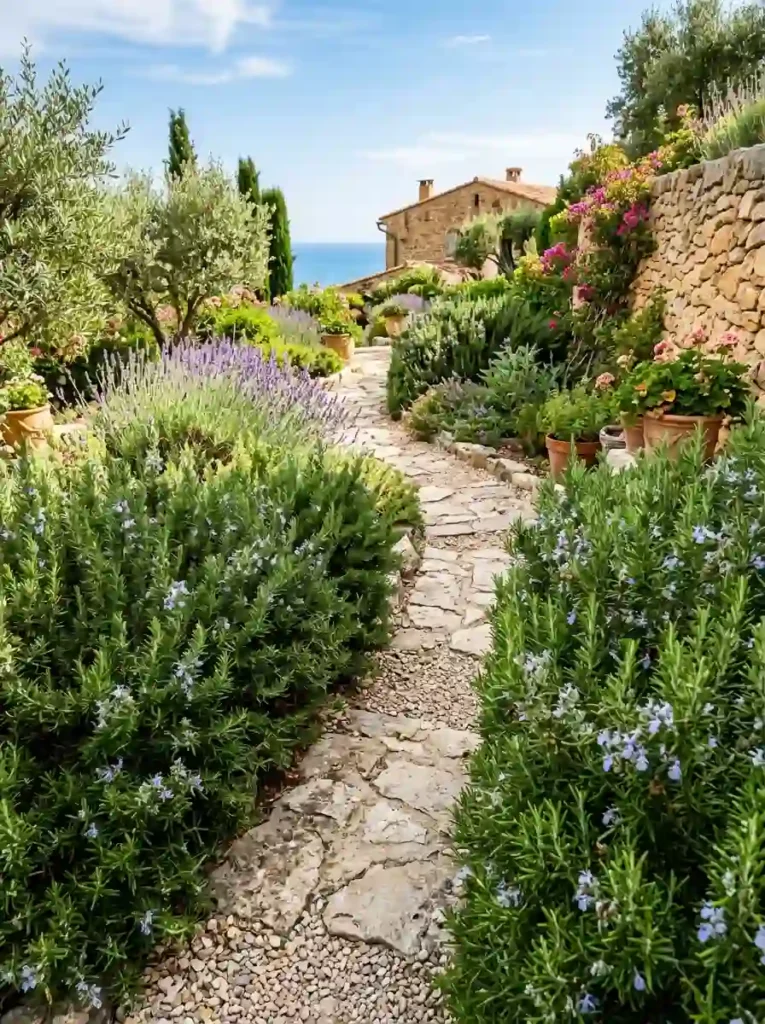
Rosemary is a hardy herb that serves double duty as both a culinary favorite and a natural insect deterrent. Its woody stems and fragrant needle like leaves release a strong scent that many insects find unpleasant. Planted near patios, pathways, or garden borders, rosemary provides year round structure while contributing to a more enjoyable outdoor environment during summer.
The plant thrives in sunny locations and well draining soil, making it ideal for drought prone gardens. Rosemary’s evergreen foliage offers lasting visual appeal even when other plants fade. Gardeners often trim it into decorative shapes or use it as a low hedge for added elegance. With its combination of beauty, fragrance, and pest repelling properties, rosemary earns its place among the most useful plants for summer landscapes.
6.Mint: Refreshing and Functional
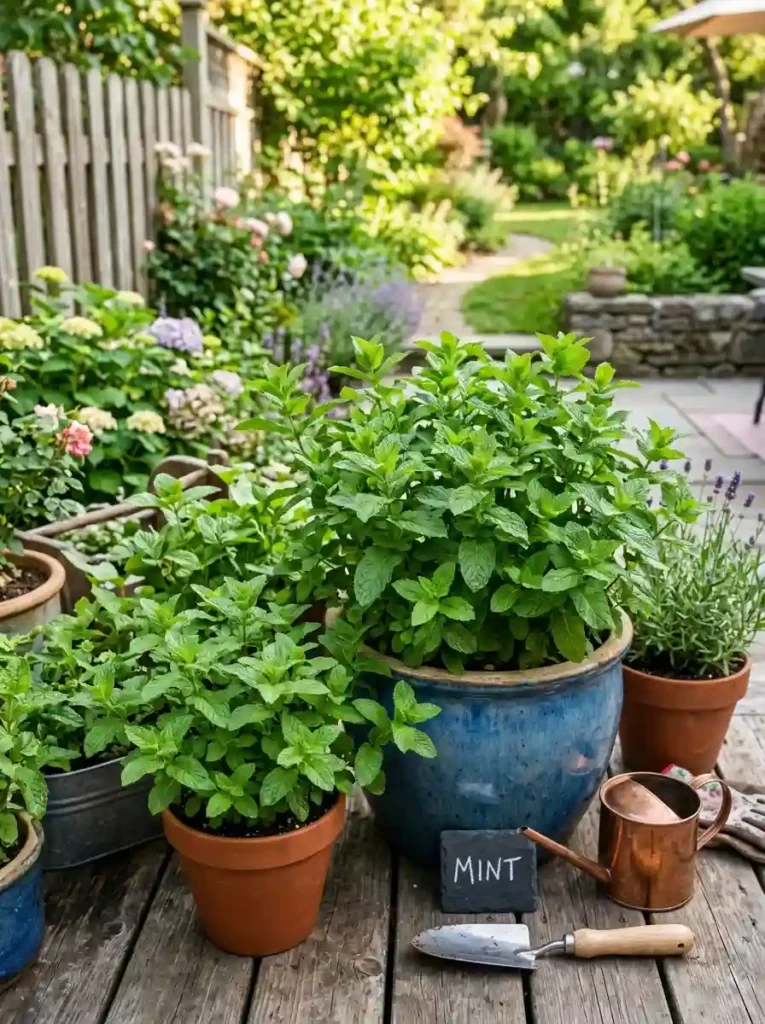
Mint is famous for its refreshing scent and vigorous growth habit. The strong aroma helps discourage mosquitoes, ants, and flies while adding a pleasant fragrance to gardens and outdoor seating areas. Its bright green foliage creates a lush appearance that complements flower beds and herb gardens alike. Many gardeners prefer growing mint in containers to control its spreading nature.
This fast growing herb thrives with regular watering and partial to full sunlight. Fresh mint leaves can be harvested throughout the season for teas, desserts, and refreshing summer drinks. The combination of practical pest control and culinary usefulness makes mint especially valuable in home gardens. Whether displayed in decorative pots or incorporated into herb collections, mint brings beauty, fragrance, and functionality to summer outdoor spaces.
7.Catnip: A Mosquito Repelling Superstar
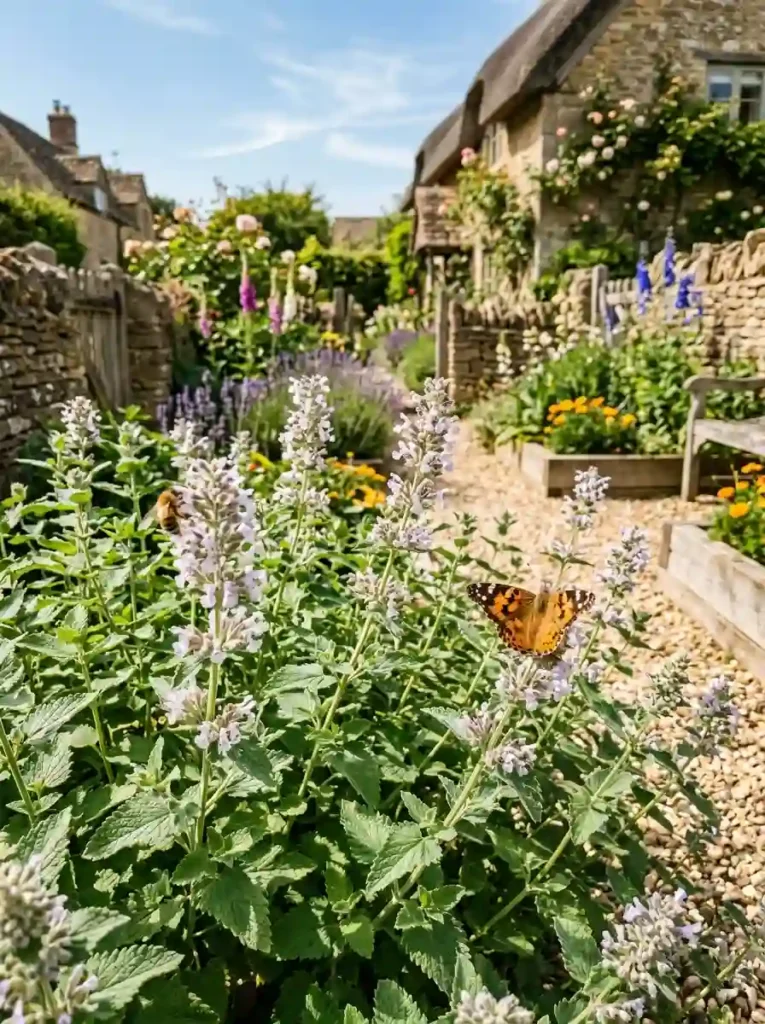
Catnip is often associated with playful cats, but it also happens to be one of the most effective bug repelling plants you can grow. Its natural compounds help discourage mosquitoes and other annoying insects from hanging around your garden. The soft green foliage adds a relaxed, cottage garden feel that pairs beautifully with colorful summer flowers and herbs.
This easy to grow perennial thrives in sunny spots and requires very little maintenance once established. Catnip can spread quickly, so many gardeners prefer planting it in containers or designated areas. Besides helping keep pests away, it attracts beneficial pollinators that support a healthier garden ecosystem. It is an excellent choice for anyone looking to combine beauty, practicality, and natural pest control.
8.Lemon Balm: Fresh Citrus Protection
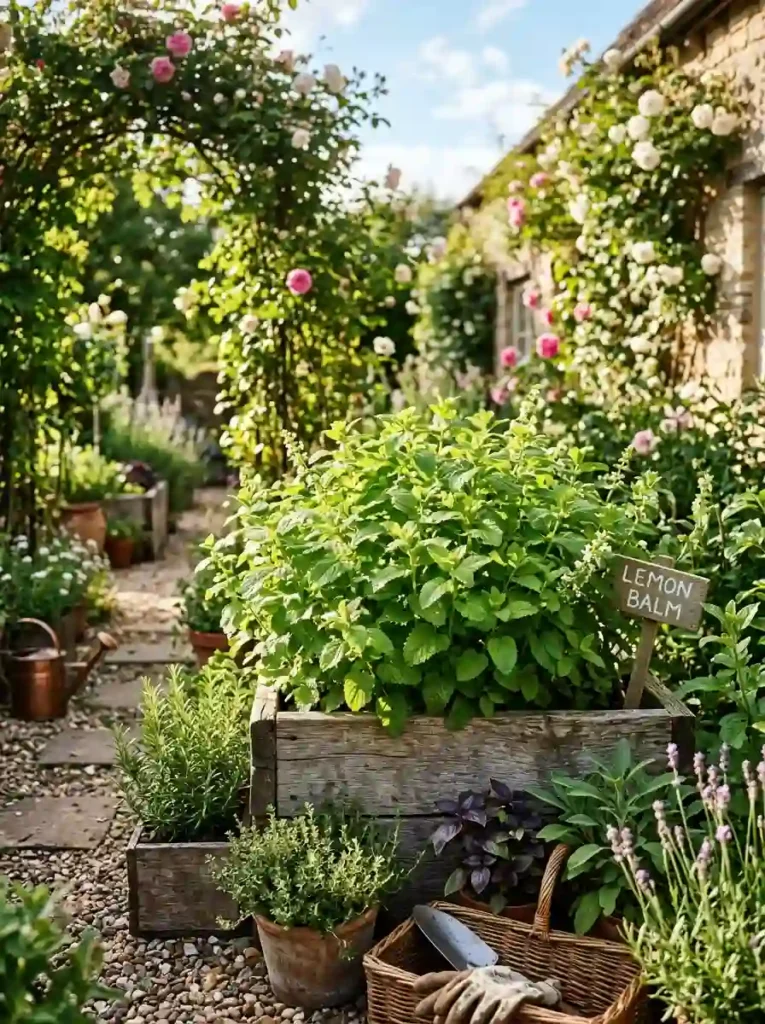
Lemon balm produces a refreshing citrus fragrance that many people love but insects tend to avoid. Its bright green leaves bring freshness and texture to herb gardens while helping deter mosquitoes and gnats. The pleasant scent makes it an ideal plant for patios, outdoor dining areas, and relaxing backyard retreats where guests gather throughout summer.
This hardy herb grows quickly and adapts to various garden conditions. Regular trimming encourages fuller growth and provides plenty of leaves for teas and homemade herbal remedies. Lemon balm works beautifully in containers, raised beds, and mixed herb gardens. Its combination of fragrance, usefulness, and pest repelling benefits makes it a standout addition to any summer landscape.
9.Sage: Elegant and Effective
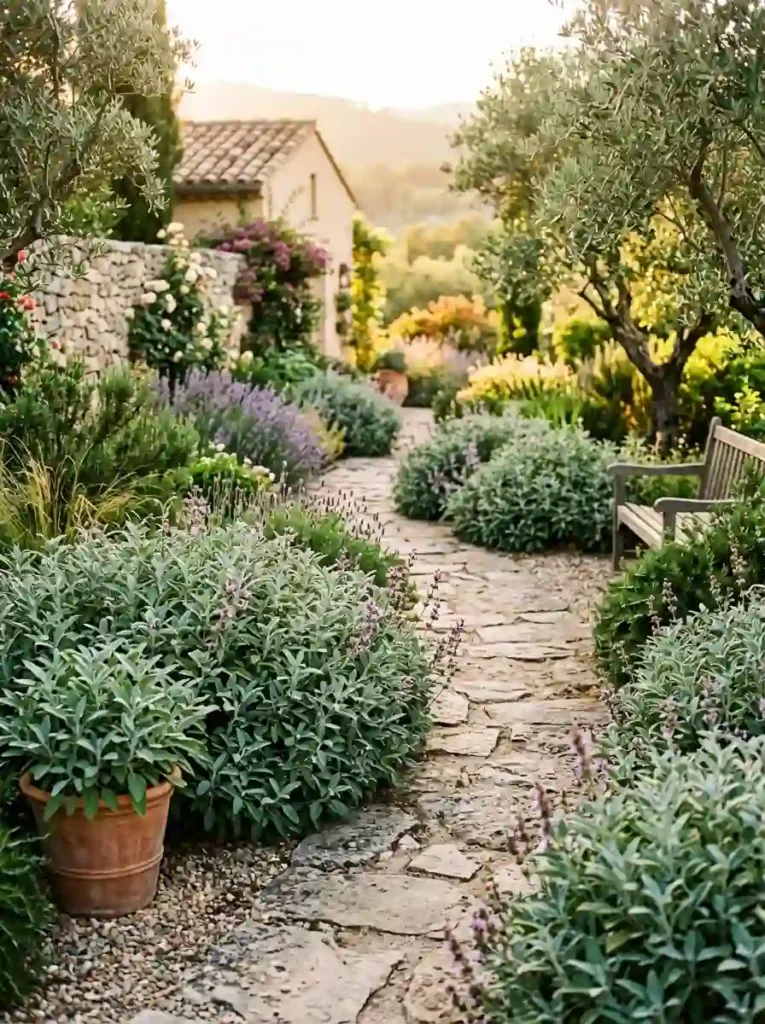
Sage offers attractive silver green foliage and a rich earthy aroma that naturally helps discourage mosquitoes and flies. This versatile herb brings structure and sophistication to garden beds while providing practical protection against common summer pests. Its soft texture pairs beautifully with flowering perennials, ornamental grasses, and other culinary herbs.
The plant thrives in full sun and well draining soil, requiring minimal maintenance throughout the growing season. Gardeners often harvest sage leaves for cooking while enjoying its ornamental value outdoors. During summer evenings, burning dried sage leaves is a traditional method used to help repel insects around gathering spaces. Its beauty and functionality make sage an excellent addition to outdoor gardens.
10.Thyme: Tiny Plant, Big Benefits
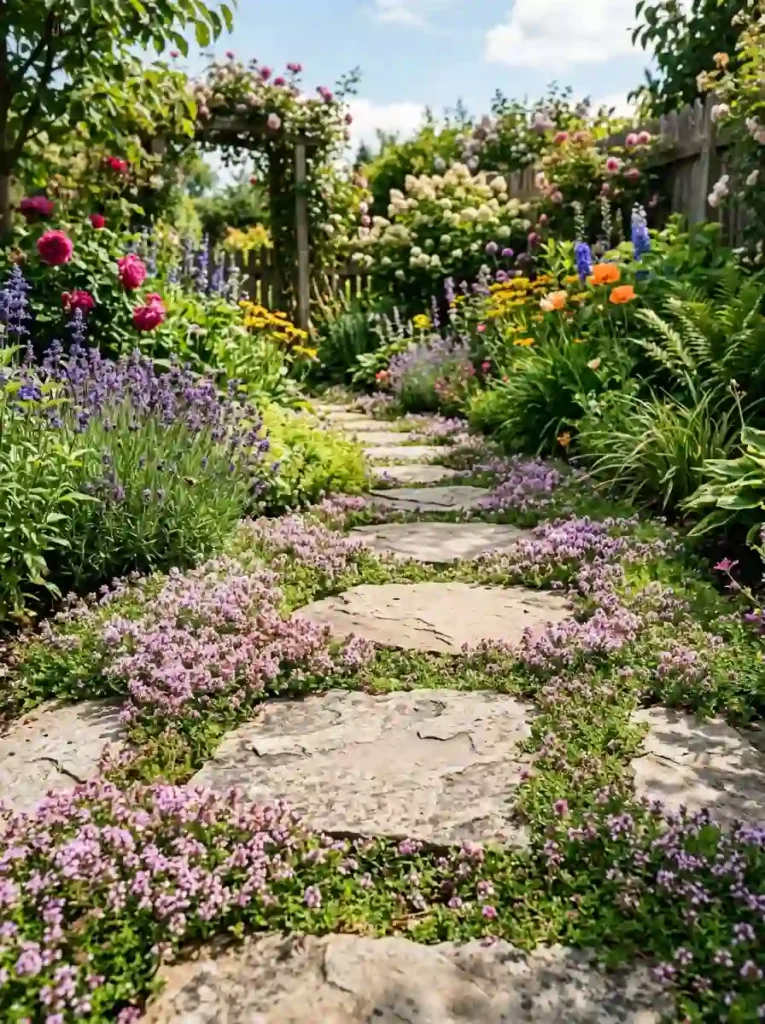
Thyme may be small, but it delivers impressive pest repelling power. Its fragrant leaves can help discourage mosquitoes and other flying insects while creating an attractive ground cover for pathways and garden borders. The compact growth habit makes thyme ideal for small spaces, container gardens, and decorative edging.
This drought tolerant herb flourishes in sunny conditions and requires very little care. Its tiny leaves release a pleasant aroma whenever brushed against, creating a sensory experience throughout the garden. Gardeners appreciate thyme for both culinary and landscaping purposes, making it one of the most versatile plants available. Its ability to combine beauty, fragrance, and practicality makes it a summer garden favorite.
11.Eucalyptus: Stylish and Scented

Eucalyptus is known for its distinctive fragrance and attractive silvery foliage. The aromatic oils found in its leaves are often used in insect repellent products, making the plant a valuable addition to bug conscious gardens. Its unique appearance adds a modern, sophisticated touch to outdoor spaces while providing natural pest control benefits.
In warmer climates, eucalyptus can grow into a striking landscape feature. Smaller varieties are perfect for containers and compact gardens. The leaves are frequently used in floral arrangements, wreaths, and home décor projects. With its combination of visual appeal and functional advantages, eucalyptus offers gardeners a stylish way to help reduce insect activity during summer.
12.Bee Balm: Pollinator Friendly Pest Control
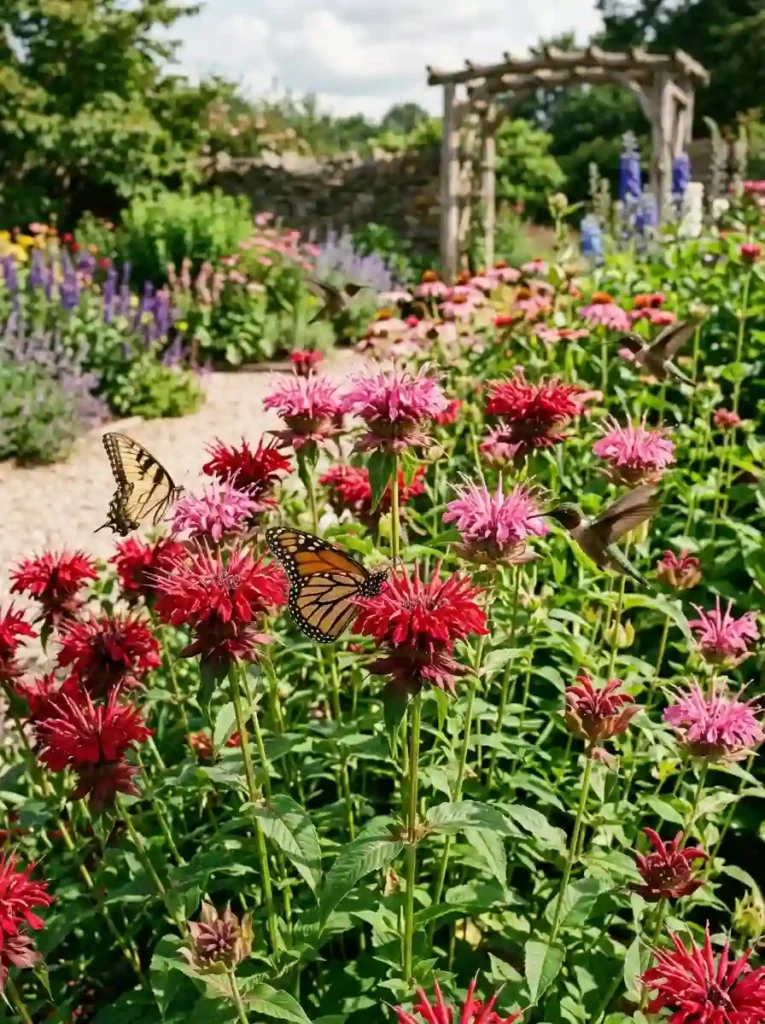
Bee balm is a stunning flowering plant that attracts pollinators while helping discourage certain unwanted insects. Its bright blooms create a dramatic display that instantly adds color and movement to garden beds. The aromatic foliage releases a fragrance that contributes to a healthier and more balanced outdoor environment.
This native perennial thrives in sunny locations and blooms throughout much of the summer season. Bees, butterflies, and hummingbirds flock to its nectar rich flowers, making it a favorite among wildlife friendly gardeners. Bee balm combines natural beauty with practical benefits, helping create a vibrant and inviting garden that supports beneficial insects while reducing nuisance pests.
13.Alliums: Ornamental Pest Protection
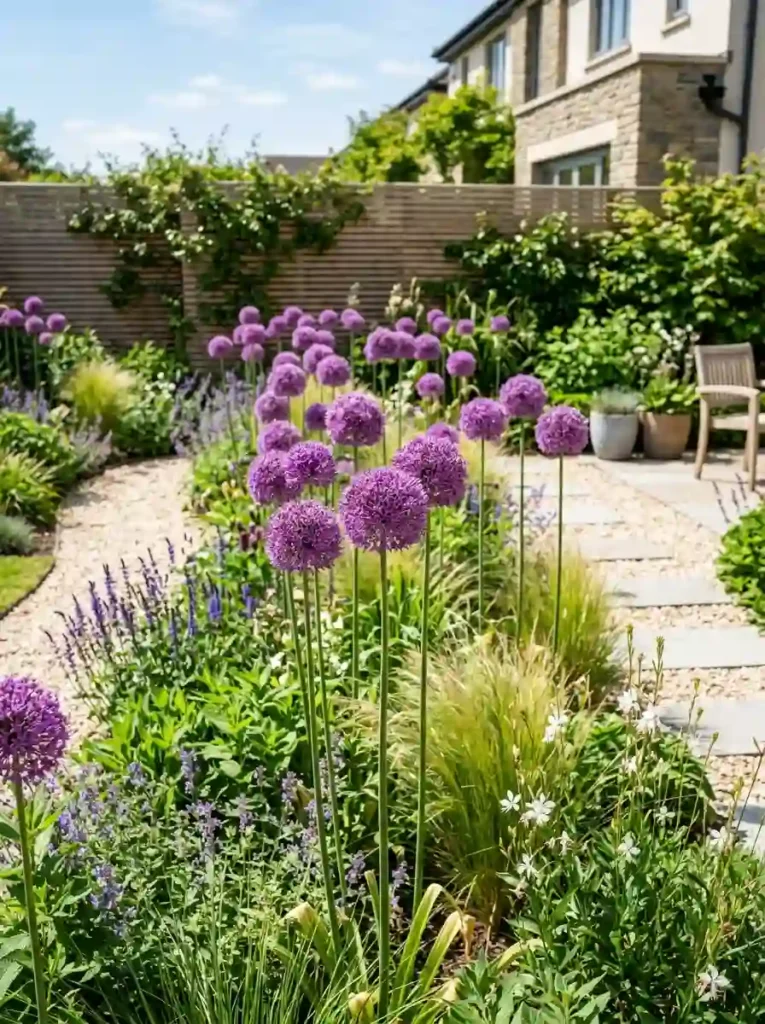
Alliums are known for their dramatic globe shaped flowers and their ability to help repel garden pests. Related to onions and garlic, these plants produce a scent that many insects find unpleasant. Their tall stems and striking blooms create architectural interest that elevates the overall appearance of flower beds.
These low maintenance plants thrive in sunny locations and return year after year in many climates. Gardeners often use them to add height and structure among lower growing flowers. Beyond their decorative appeal, alliums can help discourage aphids and other troublesome insects, making them both beautiful and beneficial additions to summer gardens.
14.Garlic: The Garden Defender
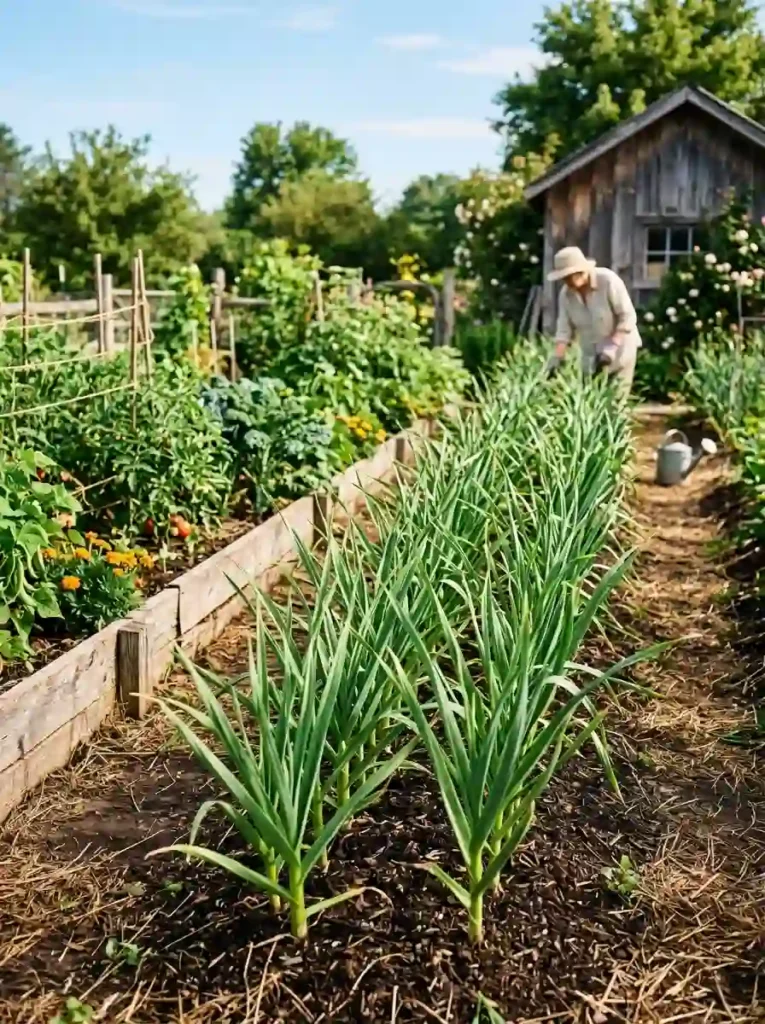
Garlic is famous for its culinary uses, but it also serves as an excellent natural pest deterrent. The strong aroma released by its foliage can help repel aphids, beetles, and mosquitoes. Planting garlic among vegetables and flowers creates a natural defense system while maximizing garden productivity.
This easy to grow crop requires little maintenance and performs well in raised beds and traditional gardens. Many gardeners appreciate garlic for its dual purpose benefits, offering both fresh harvests and natural protection. Its practical value makes it one of the smartest additions to a summer garden focused on sustainability and reduced chemical use.
15.Chives: Pretty and Practical
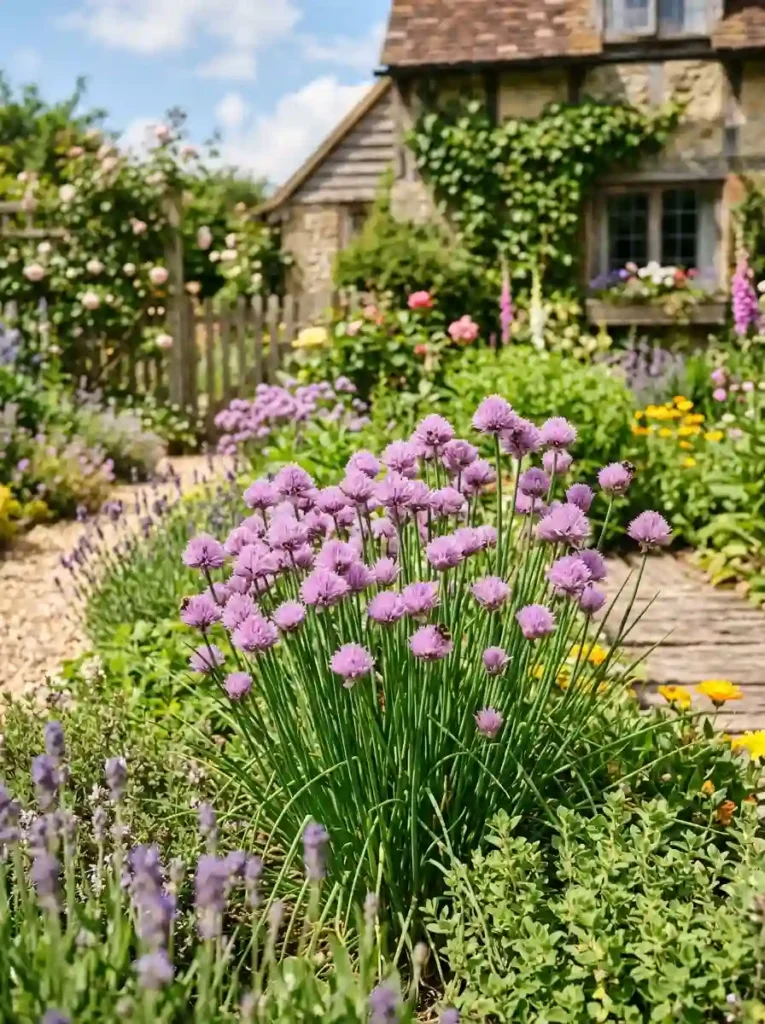
Chives bring delicate purple blooms and fresh green foliage to garden spaces while helping deter certain pests. Their mild onion like fragrance can discourage insects from targeting nearby vegetables and flowers. The attractive flowers add ornamental value and blend beautifully into herb gardens and decorative borders.
These hardy plants are easy to grow and return reliably each season. Gardeners enjoy harvesting chives for salads, soups, and other recipes while benefiting from their natural pest control properties. Their compact size and versatility make them perfect for containers, raised beds, and mixed garden designs.
16.Lemongrass: Tropical Mosquito Shield

Lemongrass contains citronella compounds that help repel mosquitoes naturally. Its tall, graceful foliage creates a lush tropical atmosphere that instantly enhances outdoor spaces. Whether planted in garden beds or decorative containers, lemongrass adds height, movement, and texture to summer landscapes.
This heat loving plant thrives in warm climates and enjoys plenty of sunshine. Beyond its pest repelling qualities, lemongrass is widely used in cooking and herbal teas. Its ability to combine beauty, fragrance, and functionality makes it an excellent choice for gardeners seeking practical solutions to summer insect problems.
17.Petunias: Colorful Bug Fighters

Petunias are beloved for their vibrant blooms and long flowering season. Surprisingly, they can also help repel certain garden pests, including aphids and leafhoppers. Their cascading flowers bring color and charm to containers, hanging baskets, and garden borders throughout the summer months.
These easy care annuals bloom continuously with regular watering and occasional feeding. Petunias are available in countless colors, making them easy to coordinate with any garden style. Their combination of beauty and practical benefits allows gardeners to enjoy stunning floral displays while helping reduce insect pressure naturally.
18.Nasturtiums: Bright Blooms with Benefits
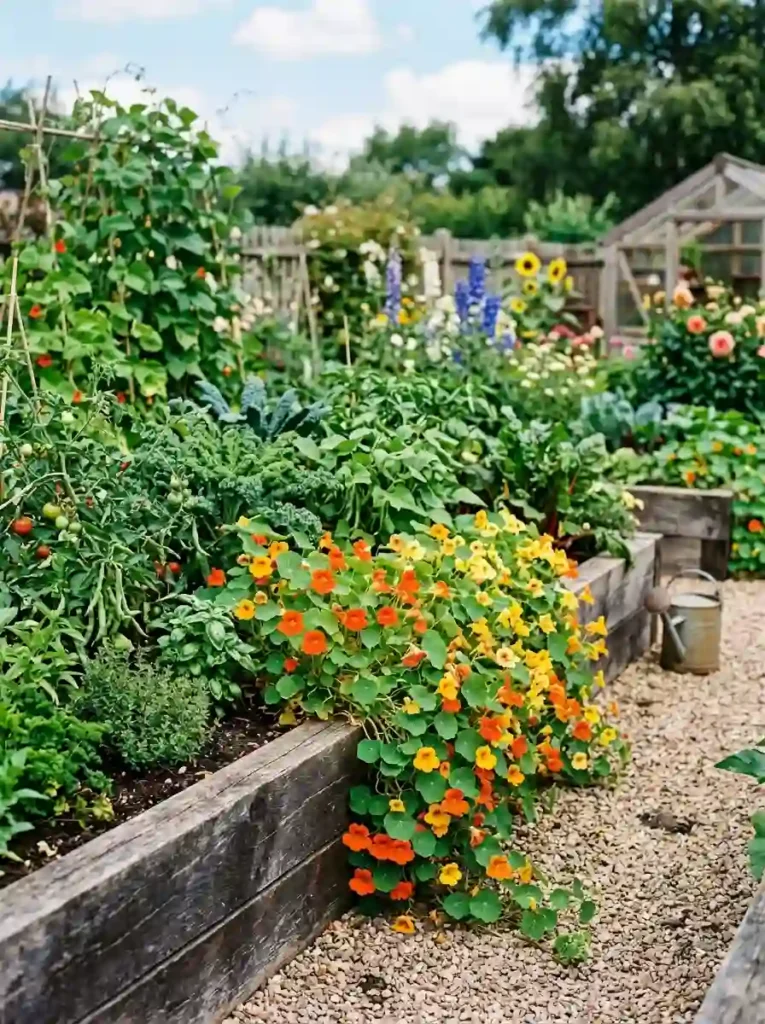
Nasturtiums are cheerful flowering plants that help attract beneficial insects while distracting pests away from valuable crops. Their bright blooms create a lively, colorful display that instantly energizes vegetable gardens and flower beds. The trailing habit makes them especially attractive in containers and hanging baskets.
These easy growing annuals thrive in sunny conditions and require minimal care. Their edible flowers and leaves add extra value for gardeners who enjoy homegrown ingredients. Nasturtiums contribute to healthier gardens by encouraging biodiversity while helping reduce pest related damage through natural companion planting techniques.
19.Geraniums: Beautiful Backyard Protection

Geraniums are popular summer flowers known for their vibrant blooms and ability to help discourage mosquitoes. Their colorful blossoms brighten patios, balconies, and garden beds while providing a natural barrier against common outdoor pests. The flowers create a welcoming atmosphere that enhances any outdoor living area.
These reliable plants thrive in sunny conditions and bloom for months with proper care. Available in a wide range of colors, geraniums complement almost every garden design style. Their combination of long lasting beauty and practical insect repelling benefits makes them one of the best choices for gardeners looking to enjoy a more comfortable outdoor experience all summer long.
Conclusion
A beautiful summer garden can do more than look amazing—it can also help keep annoying bugs away naturally. From fragrant lavender and rosemary to colorful marigolds and petunias, these 19 bug repelling plants offer the perfect balance of beauty and functionality. Add a mix of these garden favorites to your landscape this season and enjoy a healthier, more enjoyable outdoor space filled with color, fragrance, and fewer pests.