

18 Tips to Grow Long and Thick Hair Naturally
Long, thick, healthy hair is one of the most universally desired beauty goals but it can also feel like the most frustratingly out of reach one.The good news? Growing long and thick hair naturally is absolutely possible, and it doesn’t require expensive salon treatments or complicated routines.It requires consistency, the right habits, and a little patience.
Here are 18 proven, natural tips that actually work backed by science and trusted by hair experts.
1.Massage Your Scalp Daily

If there’s one habit that makes the biggest difference for hair growth,it’s a daily scalp massage. Massaging the scalp increases blood circulation to the hair follicles, which means more oxygen and nutrients reach the roots directly stimulating growth.A small study found that just four minutes of daily scalp massage over 24 weeks led to a measurable increase in hair thickness.
How to do it: Use your fingertips (not nails) and move in small, firm circular motions across your entire scalp for 4–5 minutes daily. You can do this on dry hair, or while applying a scalp oil. Avoid sharp-tipped rubber or metal scalp tools, as these can damage the follicles.
Pro Tip: Do your scalp massage while watching TV or before bed it’s relaxing and easy to stay consistent with.
2.Apply Rosemary Oil to Your Scalp
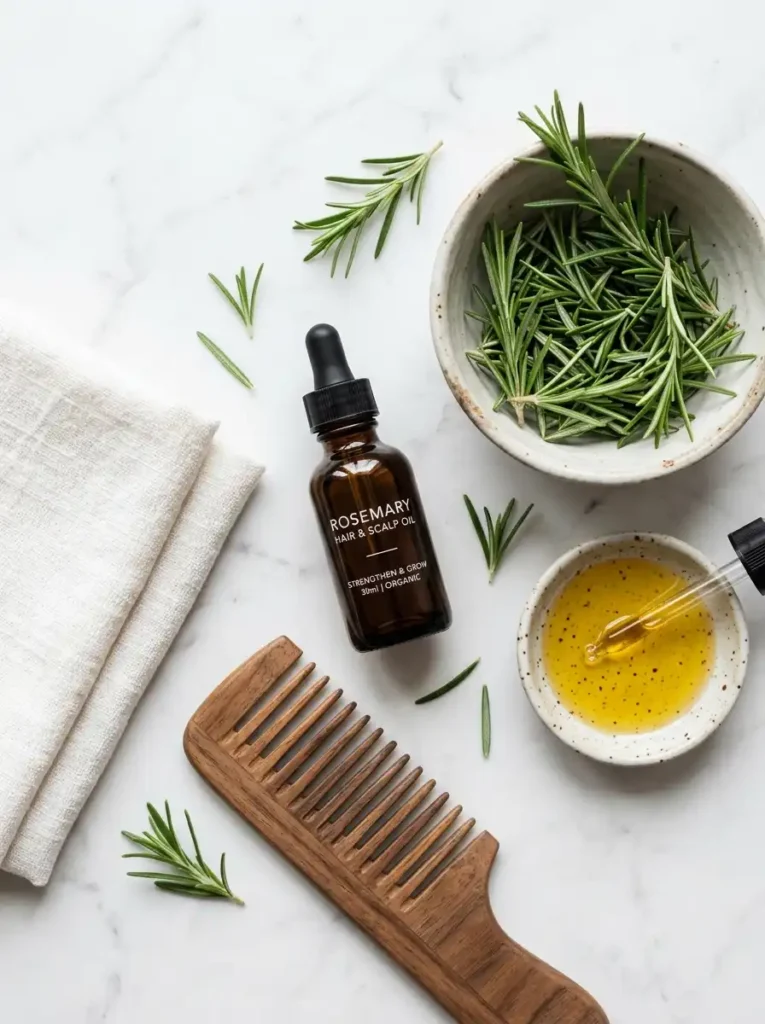
Rosemary oil is currently one of the most talked-about natural hair growth ingredients and for very good reason. Research has shown that rosemary oil can be as effective as Minoxidil (the leading pharmaceutical hair growth treatment) when applied consistently to the scalp. It works by improving circulation, reducing inflammation, and blocking DHT the hormone most associated with hair thinning and hair loss.
How to use it: Mix 3–5 drops of rosemary essential oil with a carrier oil (coconut, jojoba, or almond oil) and massage into your scalp 2–3 times a week. Leave on for at least 30 minutes (or overnight) before washing out.
3.Use a Castor Oil Hair Mask Weekly

Castor oil is one of the most powerful natural oils for growing thick, strong hair. It is rich in ricinoleic acid a fatty acid that improves blood circulation to the scalp and deeply nourishes hair follicles. It is also rich in Vitamin E, which promotes healthy hair growth and reduces breakage. Many people who use castor oil consistently report significantly thicker, fuller-looking hair within a few months.
How to use it: Warm a small amount of castor oil between your palms and massage it into your scalp and the full length of your hair. Cover with a shower cap and leave on for at least 30–60 minutes (or overnight for maximum benefit). Wash out thoroughly with shampoo. Use once or twice a week.
Mix it up: Combine castor oil with coconut oil or argan oil to make it easier to apply and rinse.
4.Eat a Protein-Rich Diet
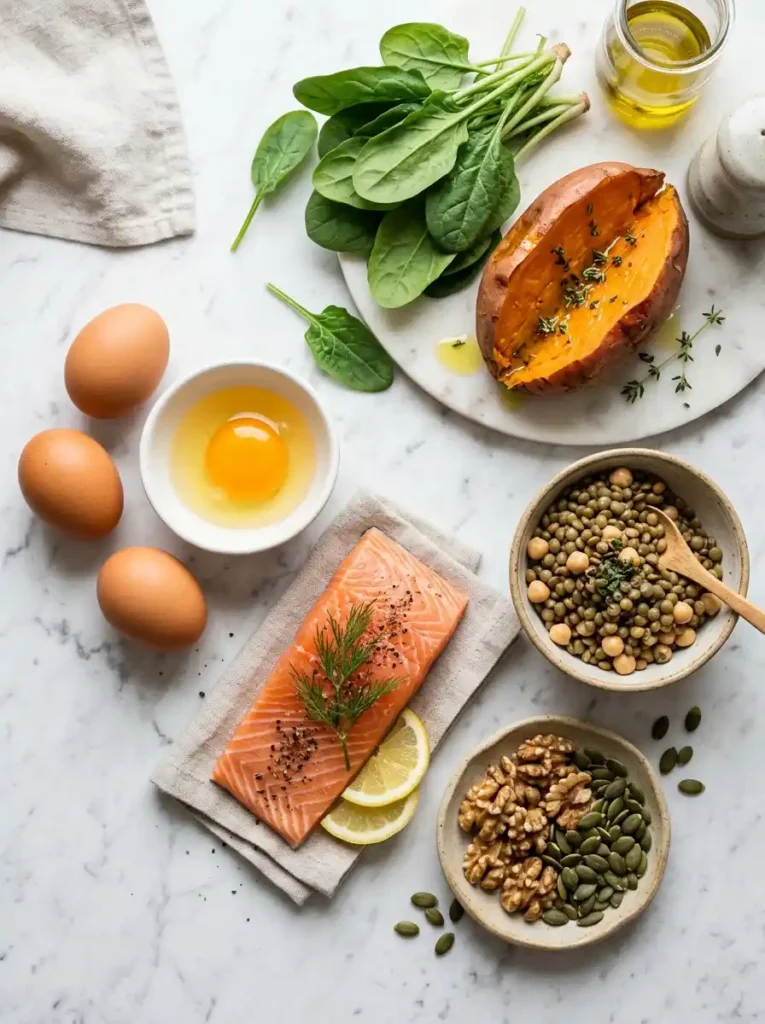
Hair is made almost entirely of a protein called keratin which means what you eat has a direct and significant impact on how fast and thick your hair grows. If your diet is low in protein, your body will prioritize using it for vital organs, leaving your hair growth at the bottom of the list. The result is slow growth, thinner strands, and increased shedding.
Best foods for thick hair growth:
- Eggs (one of the best sources of biotin and protein for hair)
- Salmon and fatty fish (rich in omega-3 fatty acids)
- Lentils and chickpeas (plant-based protein + iron)
- Nuts and seeds especially pumpkin seeds, walnuts, flaxseeds
- Spinach and dark leafy greens (iron + vitamins A and C)
- Sweet potatoes (beta-carotene converts to Vitamin A for scalp health)
5.Take Biotin and Hair Vitamins
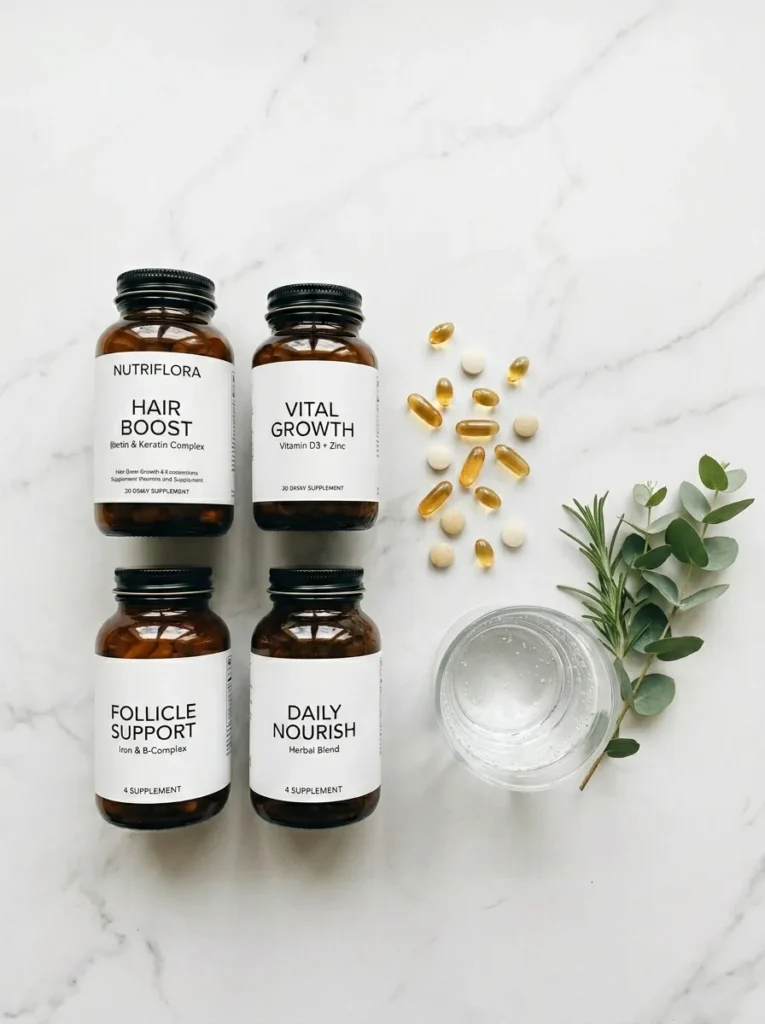
Biotin (Vitamin B7) is the most well-known vitamin for hair growth and it genuinely works, especially if your hair thinning is related to a deficiency. Beyond biotin, a comprehensive hair supplement containing Vitamins A, C, D, E, zinc, iron, and omega-3 fatty acids provides your hair follicles with everything they need to produce strong, thick strands.
Best vitamins for hair growth:
- Biotin (2,500–5,000 mcg daily)
- Vitamin D (most people are deficient and deficiency is directly linked to hair loss)
- Iron (especially important for women with heavy periods)
- Zinc
- Vitamin C (helps with iron absorption)
Note: Always check with a healthcare provider before starting supplements, especially iron.
6.Switch to a Sulfate-Free Shampoo
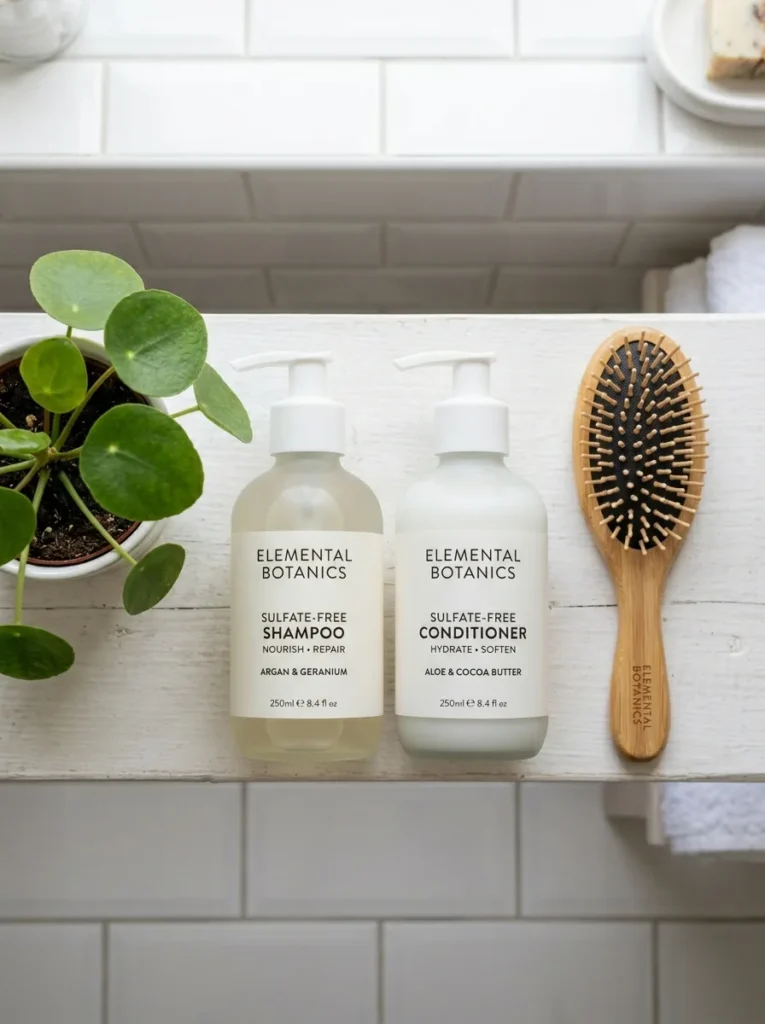
Many commercial shampoos contain sulfates harsh detergents that strip the scalp of its natural oils. When your scalp is stripped of its natural moisture, it overproduces oil to compensate, leading to greasiness, irritation, and weakened hair follicles.Switching to a gentle, sulfate-free shampoo is one of the easiest ways to create a healthier scalp environment for hair growth.
What to look for on the label: Avoid sodium lauryl sulfate (SLS) and sodium laureth sulfate (SLES). Look for gentle cleansers like cocamidopropyl betaine or sodium lauroyl methyl isethionate instead.
7.Wash Hair with Lukewarm (Not Hot) Water

This is one of the simplest tips but one that most people overlook. Washing your hair with very hot water strips the scalp and strands of moisture, leaving hair dry, brittle, and far more prone to breakage. Breakage is one of the main reasons hair never seems to grow past a certain length the ends keep breaking off as fast as the roots grow.
The rule: Always wash with lukewarm water. After conditioning, do a final rinse with cool or cold water. Cold water seals the hair cuticle, locking in moisture and leaving hair shinier, smoother, and more resistant to breakage.
8.Deep Condition Every Week
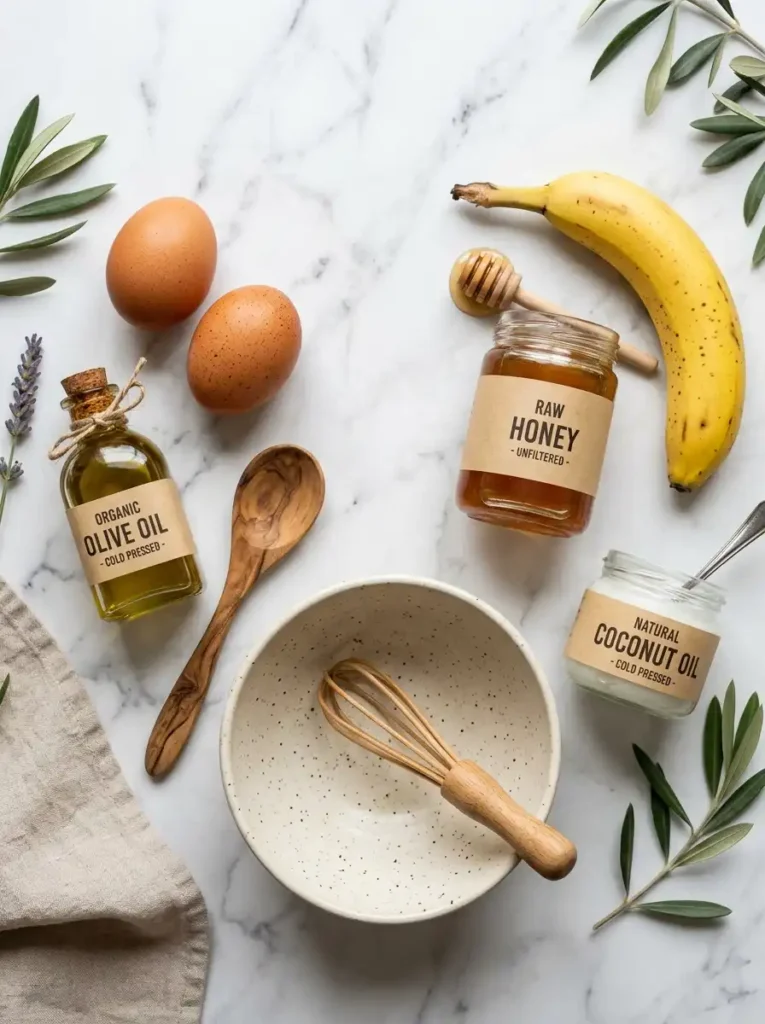
If growing long hair is your goal, length retention is everything. Hair that is dry, brittle, or damaged will break before it ever gets long. A weekly deep conditioning treatment either a store-bought hair mask or a DIY natural mask is essential for keeping the length of your hair strong, moisturized, and breakage-resistant.
Best DIY deep conditioning masks:
Egg and Olive Oil Mask: Beat 1–2 eggs with 2 tablespoons of olive oil. Apply to damp hair, cover with a shower cap, leave for 30 minutes, then wash out with cool water. Eggs provide protein; olive oil provides omega-3 acids and deep moisture.
Banana and Honey Mask: Mash one ripe banana with 1 tablespoon of honey and 1 tablespoon of coconut oil. Apply to hair, leave for 20–30 minutes, rinse thoroughly. Bananas are rich in minerals that strengthen hair and build collagen.
9.Avoid Heat Styling as Much as Possible
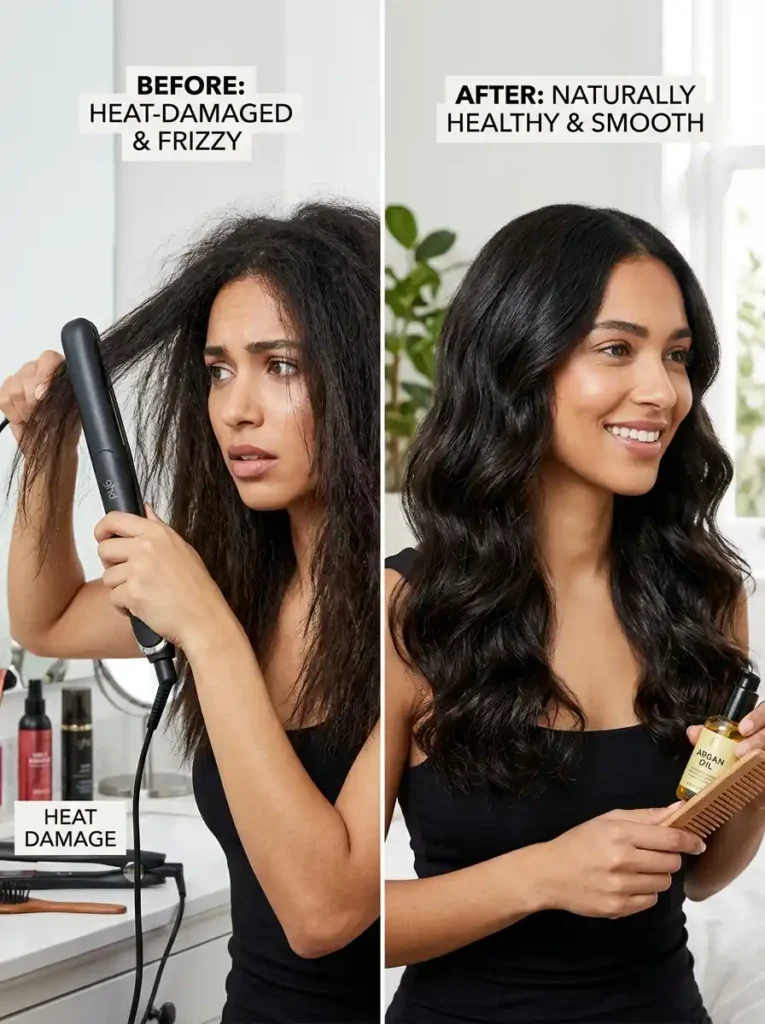
Heat tools flat irons, curling wands, hot blow dryers are one of the most common causes of hair damage and breakage. They work by disrupting the outer protective cuticle layer of the hair shaft, allowing moisture to escape. The result is dry, fragile strands that snap easily. If your goal is long, thick hair, reducing heat styling is non-negotiable.
Practical alternatives:
- Air-dry your hair whenever possible
- Use heatless curling methods (braids, foam rollers, or silk scrunchie buns)
- When you must use heat, always apply a heat protectant spray first and use the lowest effective temperature setting
10.Sleep on a Silk or Satin Pillowcase

Your cotton pillowcase may be causing more breakage than you realize.Cotton creates friction against the hair shaft as you move in your sleep, leading to tangles, frizz, and mechanical breakage especially for those with curly or textured hair. Switching to a silk or satin pillowcase dramatically reduces this friction, meaning your hair slides smoothly rather than catching and breaking.
Additional benefit: Silk pillowcases are also gentler on skin and help prevent overnight moisture loss so your hair stays more hydrated too.
11.Trim Your Ends Regularly
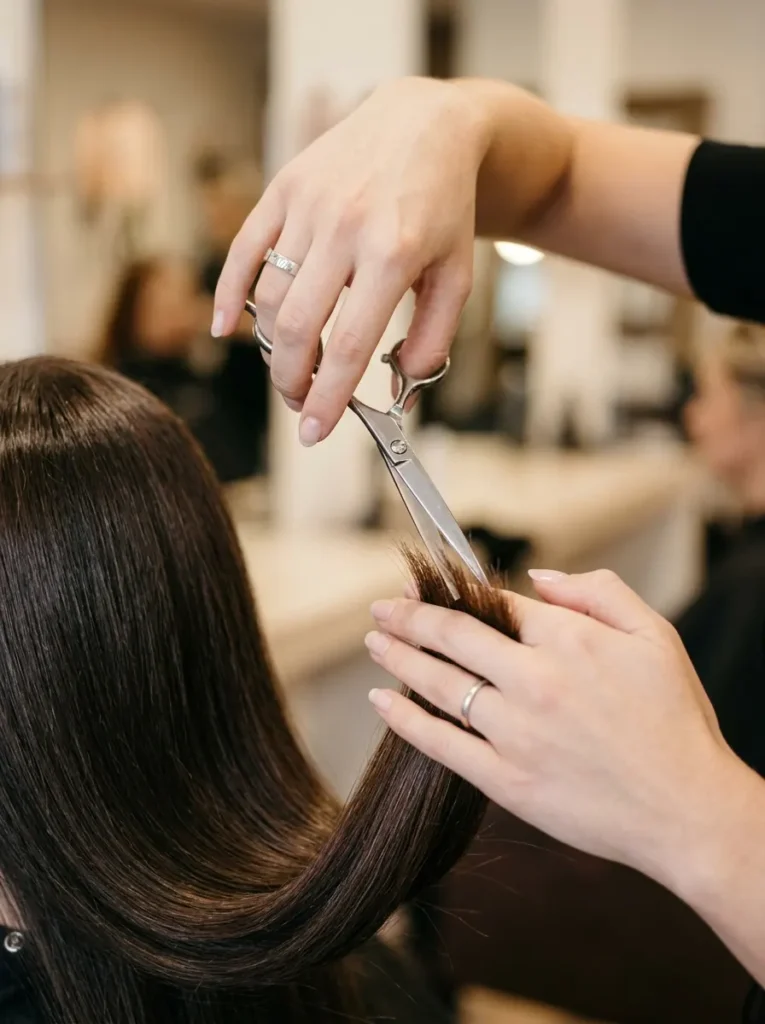
This sounds counterintuitive but regular trims are actually essential for growing long hair. Split ends don’t just stay at the tip of the hair strand. If left untreated, they travel up the shaft, causing more and more of the hair to break off. A small trim every 8–12 weeks removes the damaged ends before they can split further,keeping the rest of your hair strong and preventing length loss from breakage.
Important: You don’t need to cut a lot even just 0.5 to 1 centimeter is enough to remove the split ends and keep your hair healthy.
12.Try an Inversion Method (Scalp Flip)

The inversion method is a popular natural hair growth technique where you flip your head upside down and massage your scalp for 4–5 minutes while bent over.The idea is that inverting your head dramatically increases blood flow to the scalp and hair follicles, delivering a rush of nutrients and oxygen that stimulates growth.Many people who try this method report noticeably faster growth within a month.
How to do it: Apply a warm scalp oil first (castor, coconut, or rosemary), then carefully bend at the waist or sit with your head between your knees and massage the scalp for 4–5 minutes. Do this once daily for 7 consecutive days per month, then take a break.
13.Protect Your Hair in Protective Styles

Protective styles braids, buns, twists, and updos keep the delicate ends of your hair tucked away where they can’t experience friction, environmental damage, or mechanical stress. This is one of the most effective natural strategies for retaining length, because the ends of hair are the oldest and most fragile part of the strand.
Best protective styles for length retention: Loose braids, low buns, twist-outs, and silk-wrapped styles. Avoid styles that pull too tightly on the hairline, as this can cause traction alopecia over time.
14.Reduce Stress Levels

Stress is one of the most underappreciated causes of hair loss and thinning. A condition called telogen effluvium occurs when significant physical or emotional stress pushes large numbers of hair follicles into a resting (shedding) phase simultaneously, causing sudden, noticeable hair loss 2–3 months after the stressful event. Managing your stress levels is not just good for your mental health it’s directly good for your hair.
Stress-reducing habits that help hair: Regular exercise, adequate sleep (7–9 hours), meditation or breathing exercises, and reducing caffeine intake all directly support healthier hair growth cycles.
15.Try Onion Juice for Hair Growth
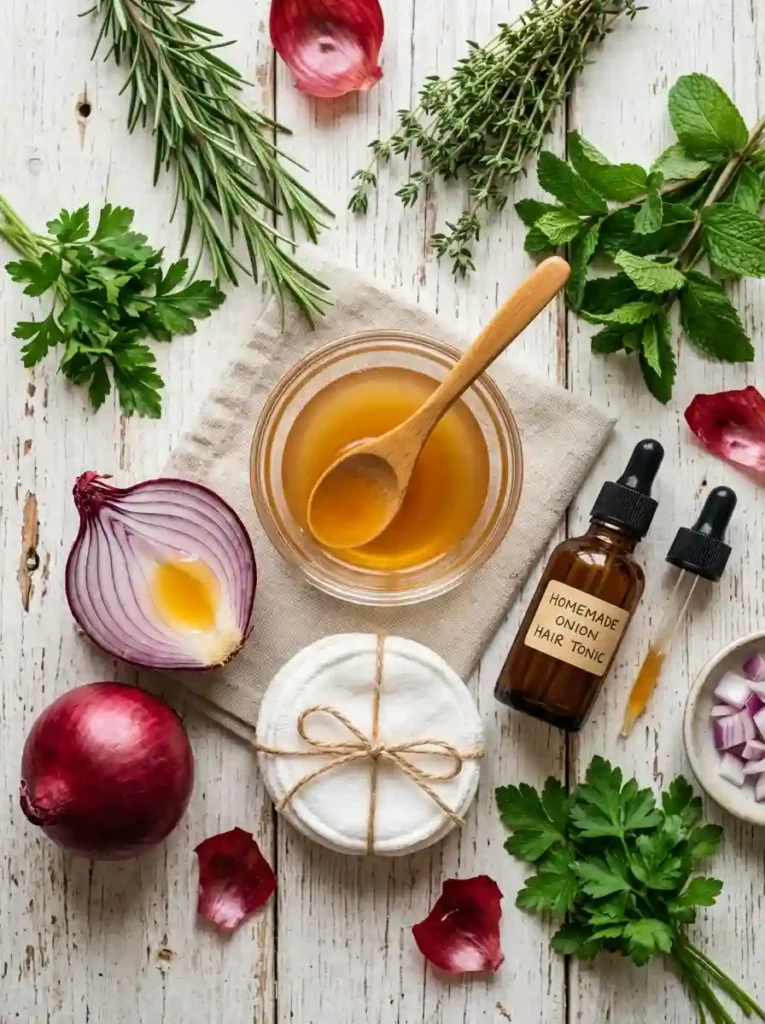
Onion juice might sound unusual but it is one of the most well-researched natural hair growth remedies.Onion juice is rich in sulfur, which boosts collagen production in the scalp, strengthens hair follicles, and has been shown in studies to significantly increase hair growth when applied consistently.It also has antibacterial properties that help maintain a healthy scalp environment.
How to use it: Blend or juice one medium onion and strain to get the pure juice. Apply directly to the scalp with a cotton ball, leave on for 15–30 minutes, then wash out thoroughly with a mild shampoo. Use 2–3 times per week.The smell washes out completely don’t be put off!
16.Rinse with Apple Cider Vinegar
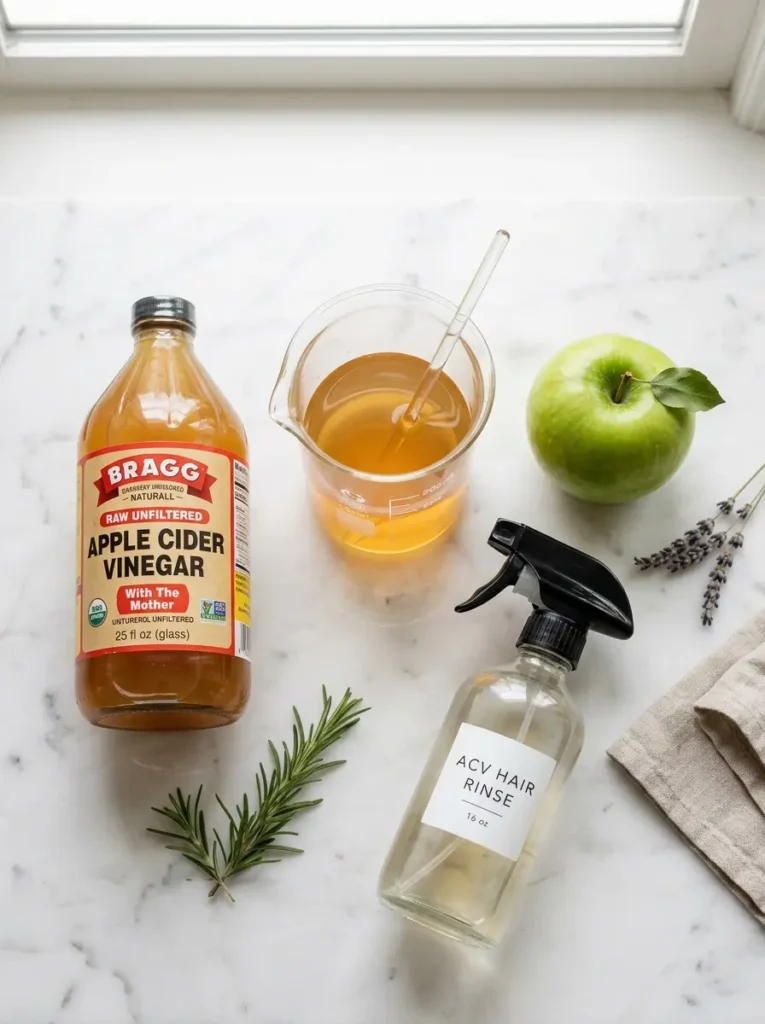
An apple cider vinegar (ACV) rinse after shampooing is one of the most effective and affordable ways to improve scalp health and boost hair growth. ACV has a naturally acidic pH that helps restore the scalp’s acid mantle (its protective moisture barrier), removes product buildup from the scalp and hair follicles, reduces dandruff, and seals the hair cuticle for smoother, shinier strands.
How to use it: Mix 2 tablespoons of raw, unfiltered apple cider vinegar with 1 cup of water. After shampooing and conditioning, pour the mixture over your hair, let it sit for 1–2 minutes, then rinse out with cool water. Use once a week.
17.Stay Hydrated and Reduce Alcohol Intake
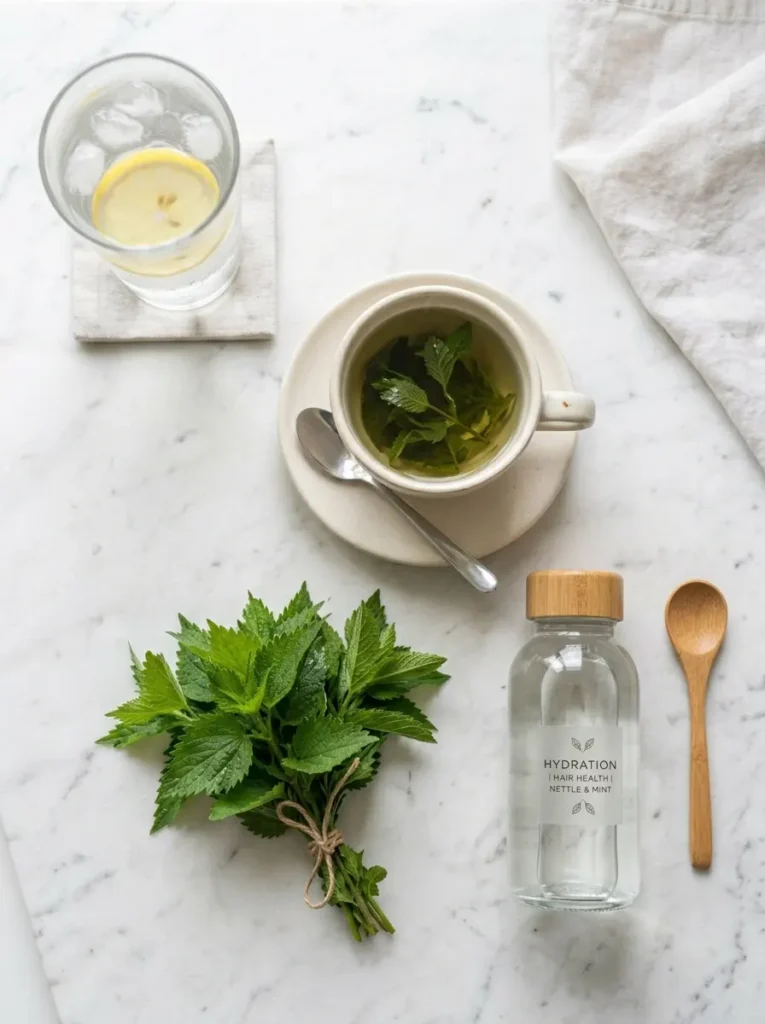
Hair is approximately 25% water which means proper hydration from the inside is directly linked to hair moisture, elasticity, and overall health. Dehydration leads to dry, brittle strands that break easily. Alcohol is particularly harmful for hair because it dehydrates the body, depletes key hair vitamins (especially B vitamins and zinc), and disrupts sleep all of which negatively impact hair growth.
Daily target: Aim for at least 8 glasses of water daily. Herbal teas like green tea, spearmint tea, and nettle tea are also beneficial for hair health and can count toward your daily fluid intake.
18.Be Consistent and Patient
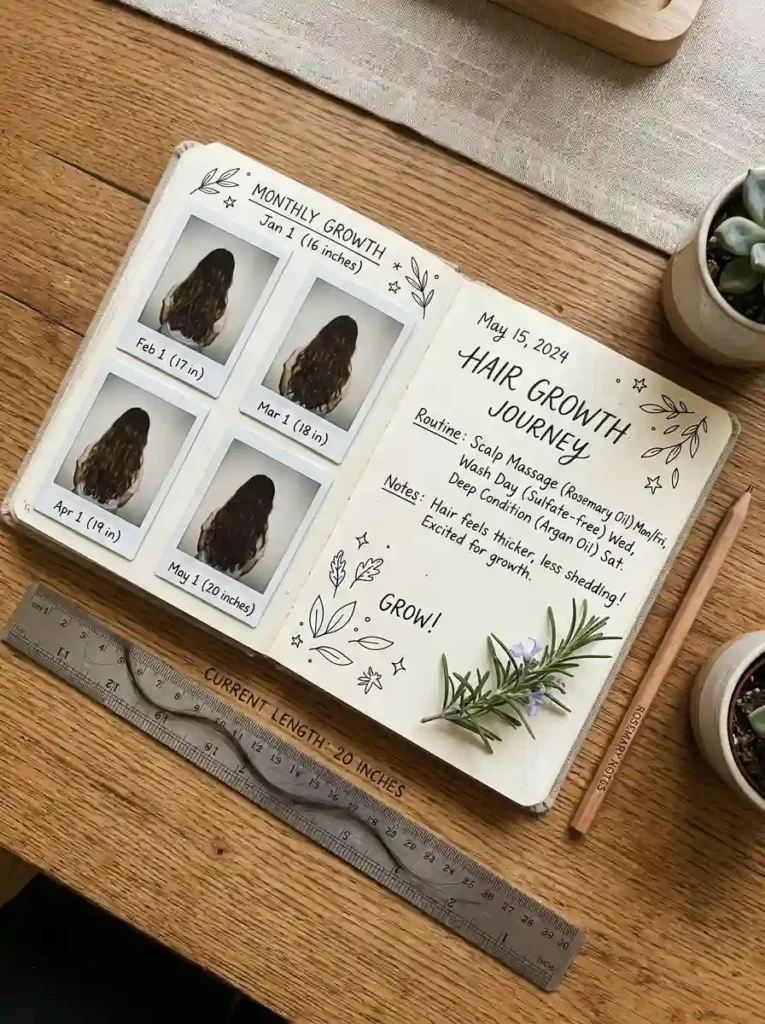
The most important tip of all and the one that is easiest to overlook: consistency and patience. Hair grows on average just 1.25 centimeters (about half an inch) per month. That means even with the best care, it takes time to see significant results. Most people give up before the benefits of a new hair care routine have had a chance to show.
The key: Choose 4–5 of these tips that work for your lifestyle, commit to them daily or weekly without skipping, and give it a minimum of 3–6 months before judging the results. Take monthly photos of your hair length to track progress this is incredibly motivating when you can see even small changes over time.
Frequently Asked Questions
How long does it take to grow long hair naturally?
Hair grows on average about 6 inches (15 cm) per year. With a consistent care routine including scalp massage, proper nutrition, and reduced breakage you can optimize this rate. Visible results typically begin after 3–6 months of consistent effort.
What is the fastest natural way to grow hair?
The combination of daily scalp massage, rosemary oil application, a protein-rich diet, and castor oil weekly treatments is one of the most effective natural protocols for stimulating faster growth. All four work together to improve circulation, nourish follicles, and reduce breakage.
Does cutting hair make it grow faster?
Cutting hair does not speed up growth from the roots — but regular trims prevent split ends from traveling up the shaft and causing breakage, which means you retain more length over time. It’s essential for reaching your length goals.
Which oil is best for growing thick hair naturally?
Rosemary oil (mixed with a carrier oil) is currently the most scientifically supported natural oil for hair growth and thickness. Castor oil is a close second, especially for thickening. Coconut oil is excellent for moisture retention and reducing protein loss.
Can diet really affect hair thickness?
Absolutely. Hair is made of protein (keratin), and deficiencies in protein, iron, biotin, Vitamin D, and omega-3 fatty acids are among the most common causes of thin, slow-growing hair. Improving your diet is one of the most impactful things you can do for long-term hair health.