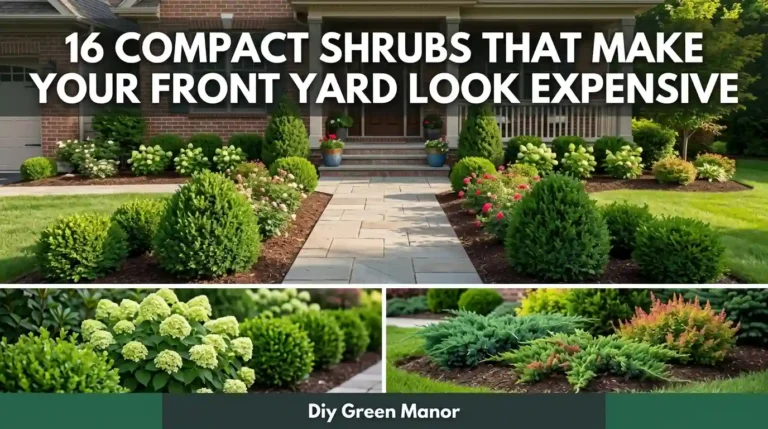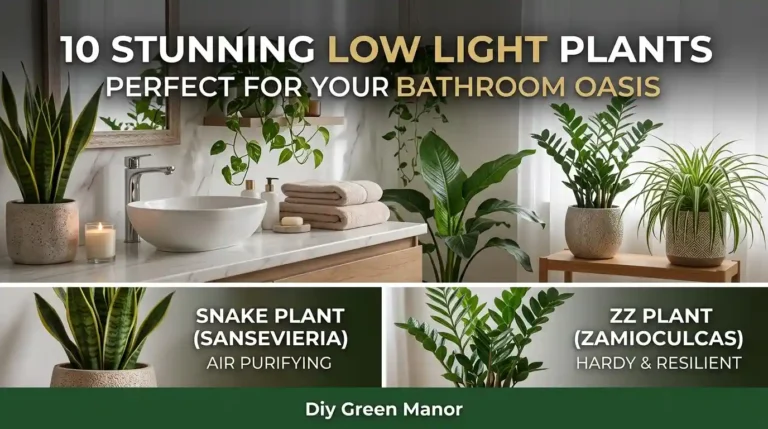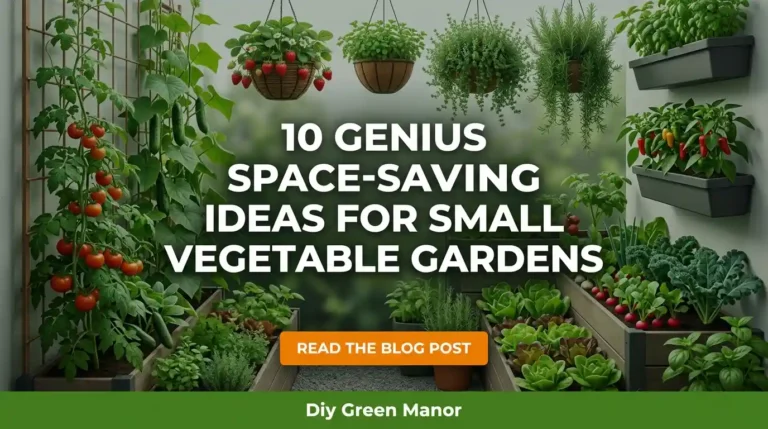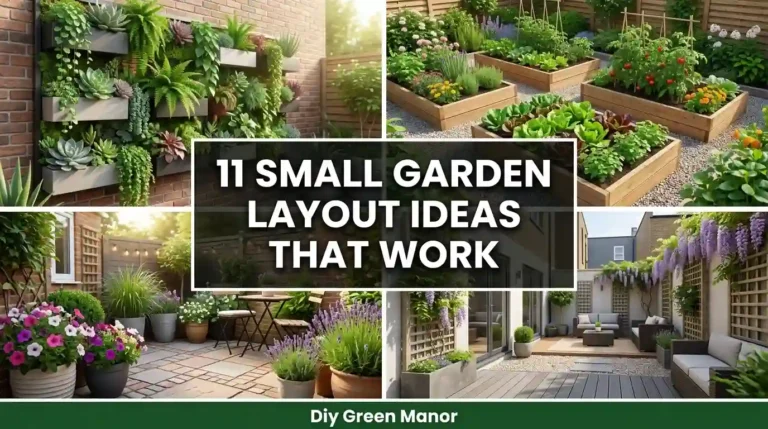
09 budget friendly vertical garden ideas
Vertical gardening is one of the most effective, budget-friendly ways to maximize growing space, whether you are decorating a compact balcony, a small backyard patio, or a sunny kitchen wall. By utilizing vertical structures, you can grow fresh herbs, leafy greens, strawberries, and vibrant flowers without taking up valuable floor space or spending a fortune on high-end landscaping systems.
Repurposing household items, upcycling wooden pallets, and using affordable hanging organizers allow you to build functional green walls on a modest budget. Here are 9 budget-friendly vertical garden ideas to help you grow your dream garden on diygreenmanor.com.
1. Upcycled Wooden Pallet Planter
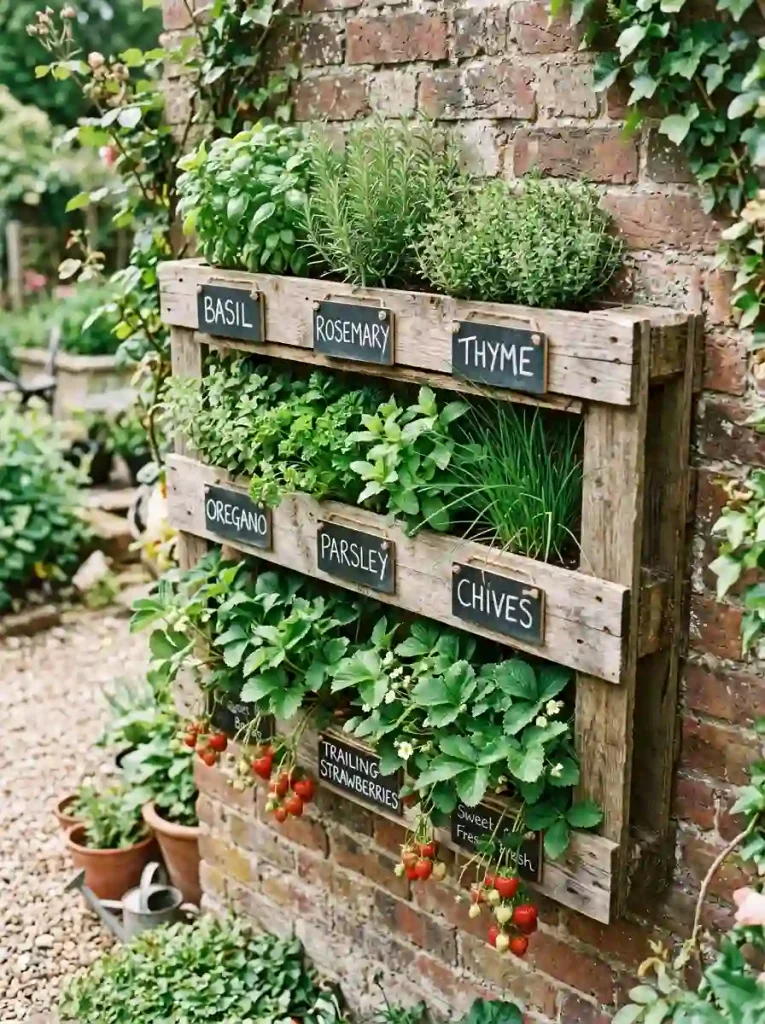
Wooden pallets are often available for free or a minimal cost behind local stores or nurseries. By securing landscape fabric inside the horizontal slats and filling the slots with potting soil, a simple pallet transforms into a sturdy, free-standing green wall.
Paint the wooden slats with outdoor stain or chalkboard paint so you can easily label your fresh herbs, succulents, or trailing vines.
2. Repurposed Hanging Fabric Shoe Organizer
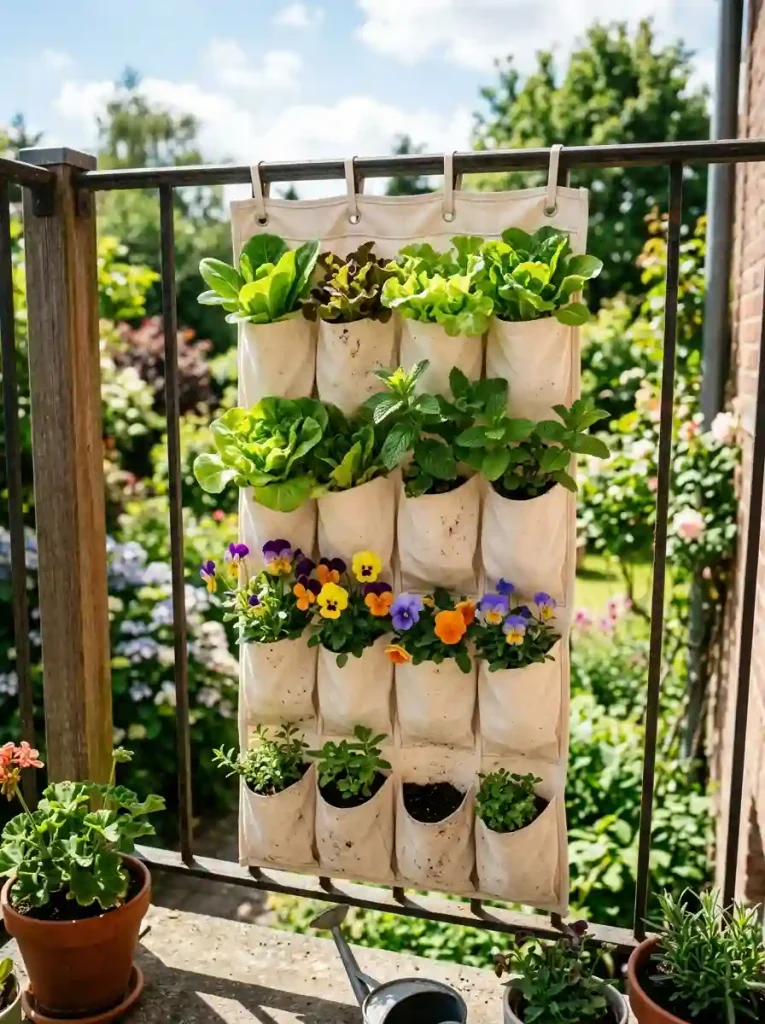
An inexpensive over-the-door fabric shoe organizer is one of the easiest low-cost vertical planter hacks. Simply hang the canvas or burlap organizer on a sunny fence, wall, or balcony railing, fill the individual pockets with well-draining potting mix, and plant small crops like strawberries, mint, or leafy greens.
The fabric naturally breathes and allows excess water to drain, keeping roots healthy while maximizing vertical real estate.
3. Hanging Mason Jar Herb Wall
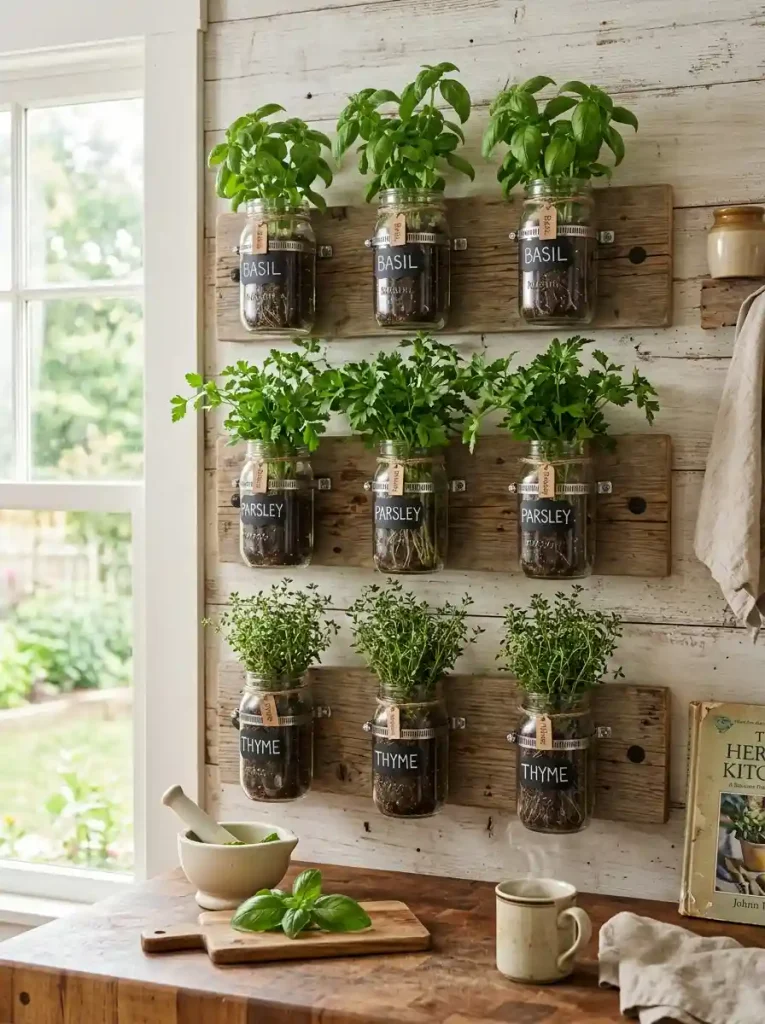
Mounting glass mason jars onto reclaimed wood boards using metal hose clamps creates a chic, space-saving indoor or outdoor herb garden. Add a layer of pebbles or charcoal at the bottom of each jar to prevent root rot, followed by potting soil and your favorite cooking herbs.
This sleek, low-cost project brings fresh culinary greens straight to your kitchen walls while acting as beautiful wall decor.
4. Vertical PVC Pipe Tower Garden
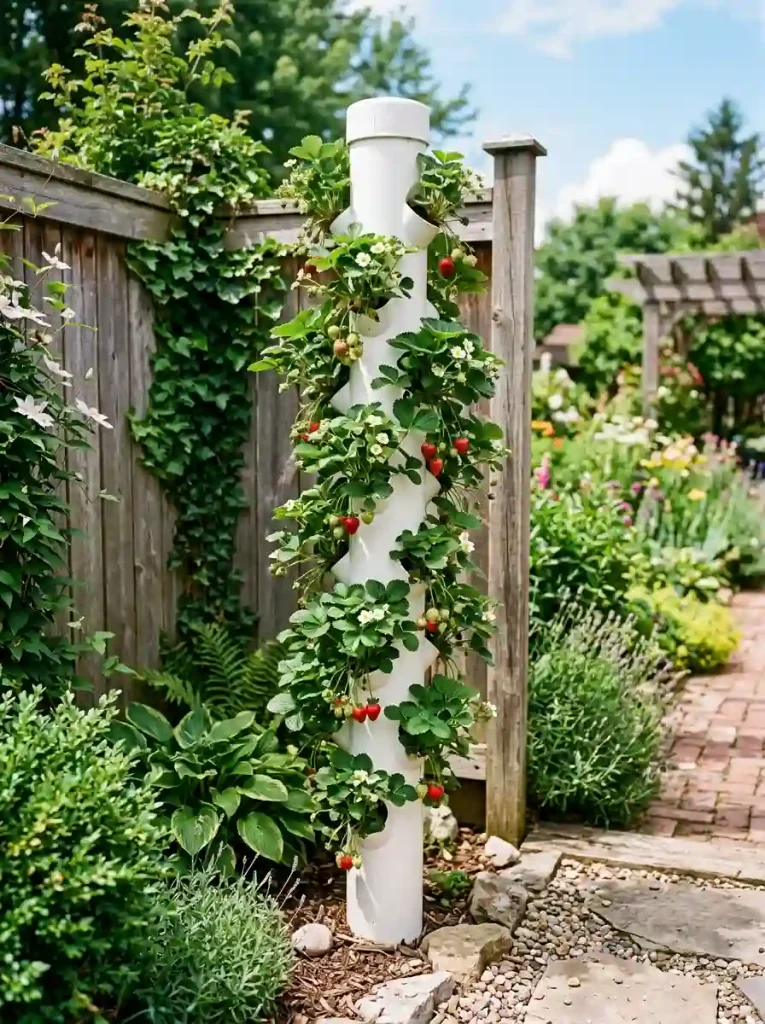
Plastic PVC pipes offer a durable, weather-resistant structure for building space-saving vertical towers. By drilling or heat-forming wide staggered openings along a 4-inch PVC pipe and filling the interior with soil or hydroponic media, you can cultivate dozens of plants in a tiny footprint.
This modular system is perfect for growing strawberries, spinach, and bush beans efficiently while keeping supply costs low.
5. Suspended Plastic Bottle Hanging Ladder
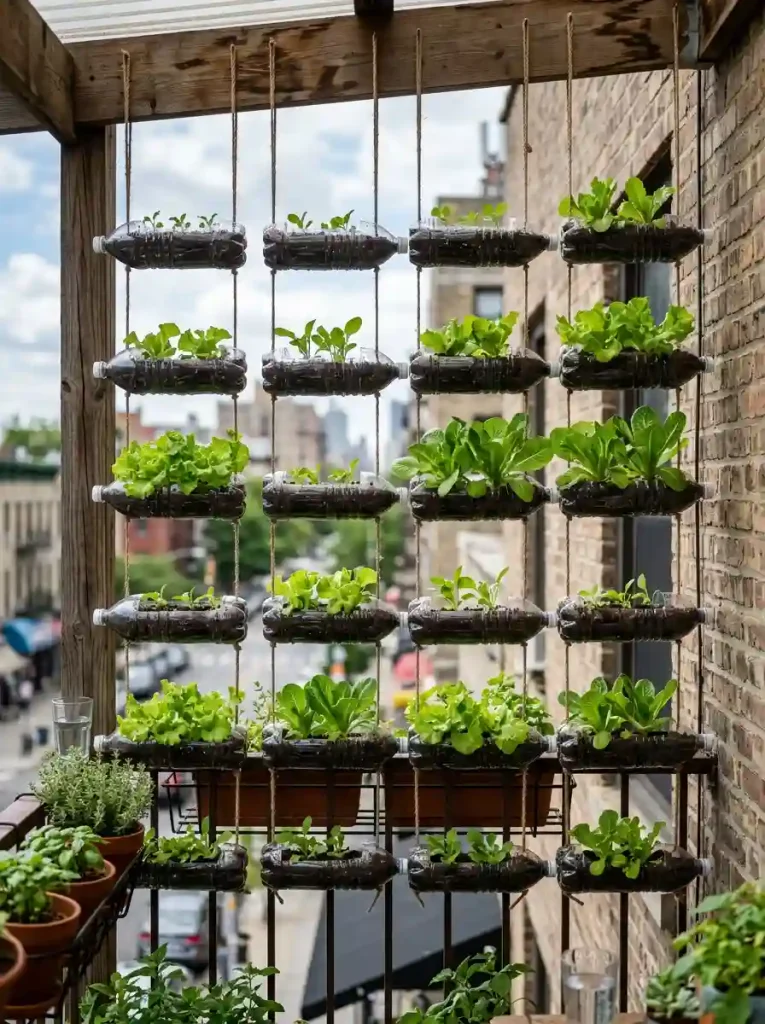
Upcycle clear 2-liter plastic soda bottles by turning them into suspended horizontal planters. Cut a rectangular window out of the side of each bottle, punch drainage holes in the bottom, and thread strong twine or nylon rope through both ends to stack them ladder-style.
Hanging this plastic bottle ladder against a sunny fence creates a zero-waste, eco-friendly garden that costs almost nothing to construct.
6. Wall-Mounted Metal Gutter System
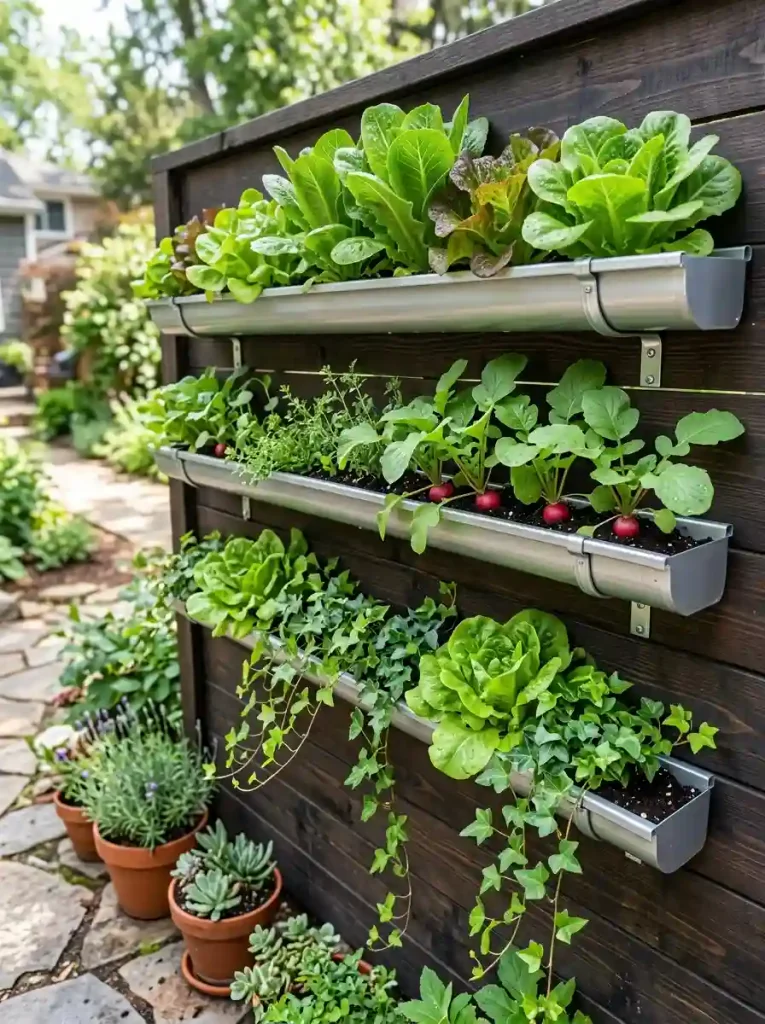
Standard aluminum or vinyl rain gutters are extremely affordable at hardware stores and make excellent long-line vertical planters. Mount several rows of gutters horizontally onto a wooden fence or exterior wall, leaving enough vertical space between tiers for sunlight to reach lower plants.
Gutters provide shallow, continuous growing troughs ideal for shallow-rooted crops like microgreens, radishes, spinach, and annual flowers.
7. Tiered Stacked Terra Cotta Pot Tower
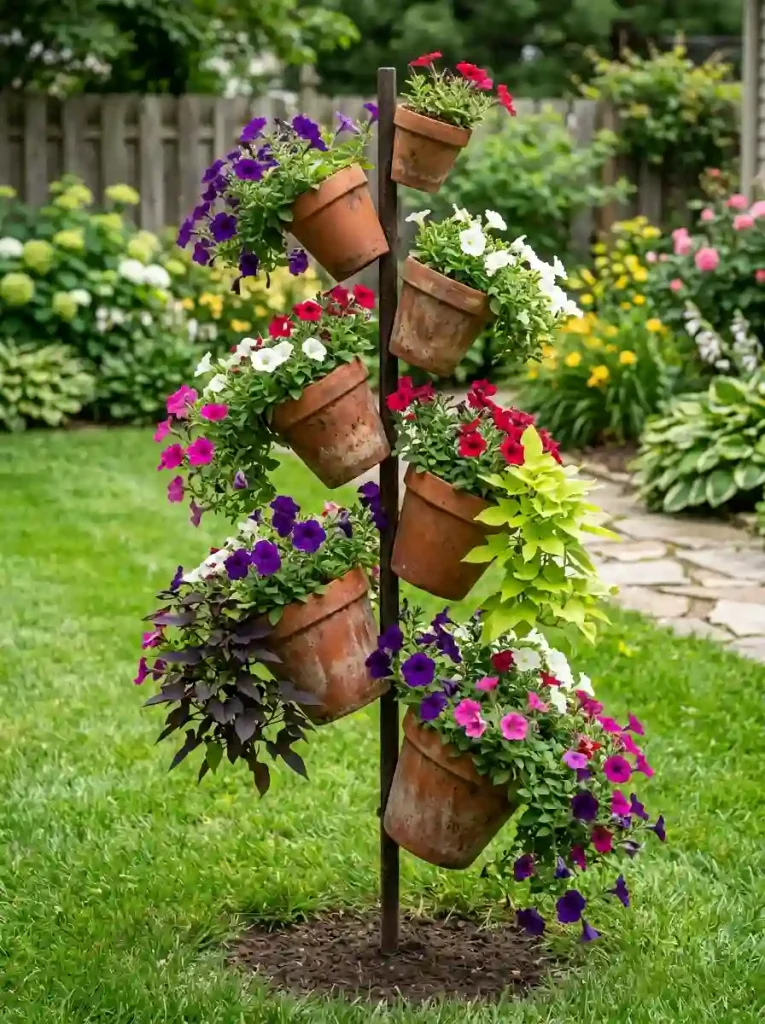
Create a striking focal point by stacking terra cotta pots of decreasing sizes on a central rebar stake. Drive a metal rod into the ground or a large base pot, then thread smaller pots through their drainage holes at alternating tilted angles.
Filling each exposed pot lip with soil allows you to create an overflowing pillar of bright flowers, succulents, or culinary herbs without taking up extra ground space.
8. Ladder Shelf Plant Display
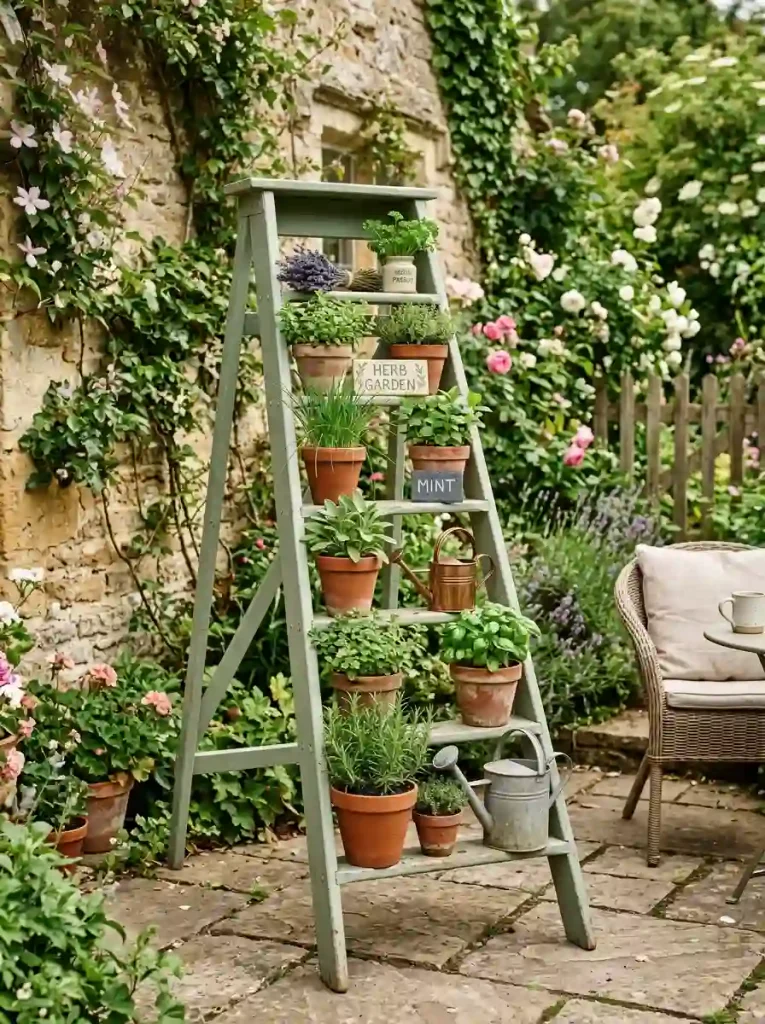
Give an old wooden step ladder new life by turning it into a multi-tiered plant display stand. Rest wide wooden planks across the ladder steps to extend the shelf space, then line the shelves with potted houseplants, succulents, and ceramic pots.
This mobile vertical shelf setup requires no permanent wall mounting, making it an ideal choice for renters with patios or balconies.
9. Wire Mesh Grid & Clip-On Pot Wall
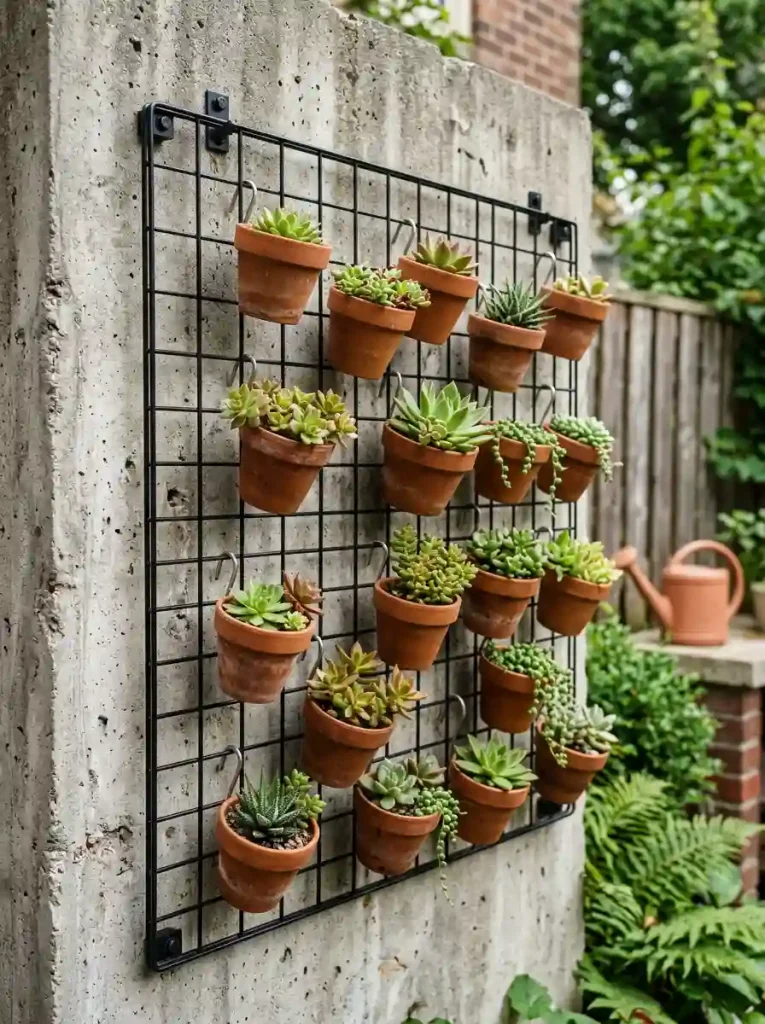
Attach a heavy-duty wire mesh panel or recycled metal trellis to an outdoor wall or fence. Using metal pot hangers or sturdy S-hooks, suspend lightweight plastic or terra cotta pots directly onto the wire grid.
This flexible grid system allows you to easily move, rearrange, or swap out seasonal plants whenever needed without remounting the main structure.
Vertical gardening proves that you do not need a massive yard or a large budget to grow a thriving green oasis. By repurposing household items like plastic bottles, old ladders, and fabric shoe holders, you can transform empty walls into productive, beautiful gardens while keeping your expenses minimal.
Frequently Asked Questions (FAQ)
What plants grow best in budget vertical gardens?
Shallow-rooted plants thrive best in small vertical containers. Excellent choices include herbs (basil, mint, thyme, cilantro), leafy greens (lettuce, spinach, kale), strawberries, small succulents, and trailing flowers like petunias or nasturtiums. Avoid large taproot vegetables like carrots or heavy fruit-bearing crops unless using heavy-duty planters.
How do I handle drainage for vertical wall planters?
Proper drainage is crucial for plant health. Ensure every pocket, pipe, or container has adequate drainage holes at the bottom so water does not pool and cause root rot. When layering planters vertically, arrange them so runoff from upper tiers drips naturally into lower pots, or place catch trays at the base to protect walls and floors.
How often should I water a vertical garden?
Because vertical planters often hold smaller soil volumes and have increased airflow around containers, they tend to dry out faster than traditional garden beds. Check moisture levels daily, especially during hot summer months. Drip irrigation lines on built-in timers offer an affordable, automated solution to keep plants consistently hydrated.