11 Small Garden Layout Ideas That Work
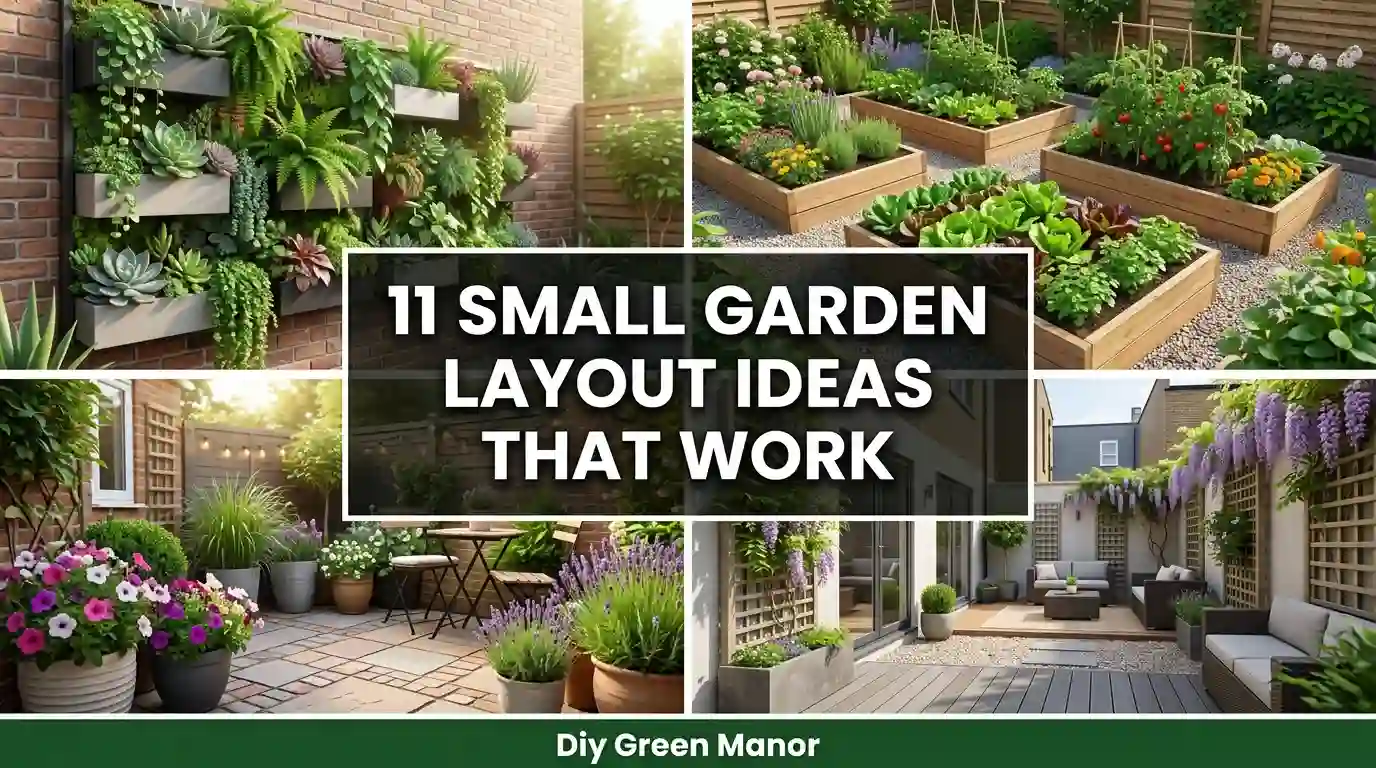
Maximizing a compact outdoor footprint requires smart spatial planning, vertical layering, and intentional crop placement. Whether working with a narrow city yard, a suburban side plot, or a modest patio, these 11 small garden layouts utilize every square inch to deliver high yields and vibrant visual appeal.
1. Vertical Living Wall Grid
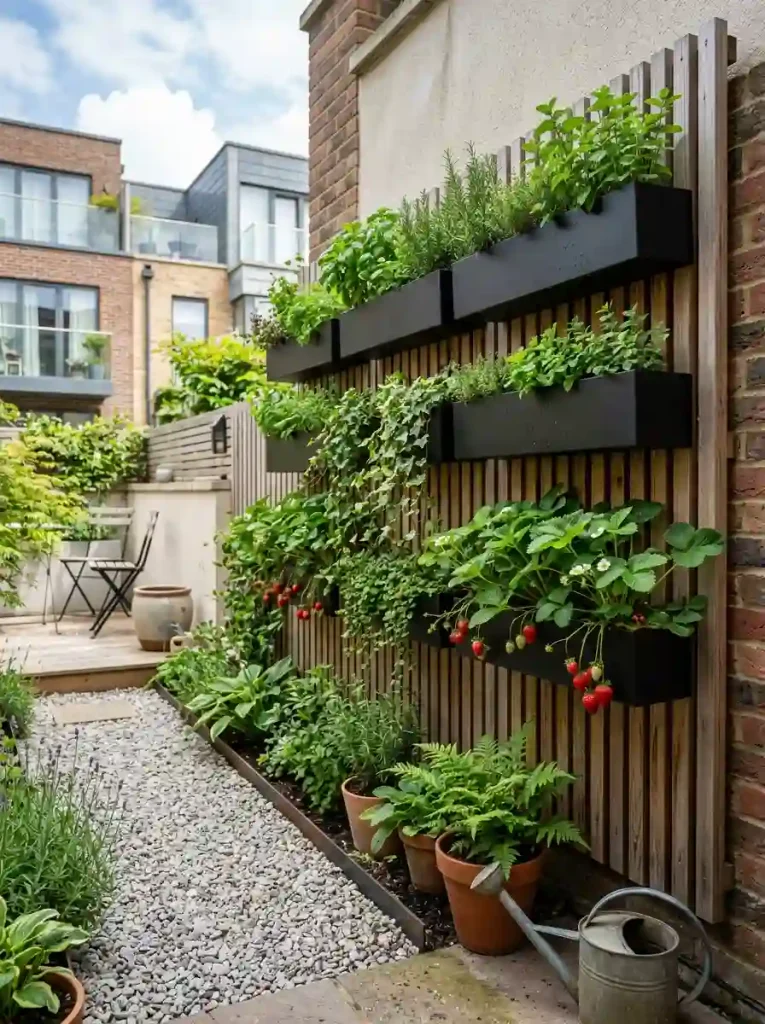
When floor space is severely limited, building upward turns bare exterior walls and fences into productive growing zones. Utilizing modular pocket planters, mounted wall boxes, or wooden slat grids lets you cultivate leafy greens, strawberries, and culinary herbs vertically without sacrificing walking room.
Positioning vertical wall gardens against sun-drenched masonry walls also provides natural thermal mass, protecting sensitive root systems during cooler nights. Drip irrigation tubing can easily be hidden behind the mounting slats for efficient, automated watering. It is an ideal space-saving solution for narrow urban balconies, patio borders, and tight side yards.
2. Tiered Wooden Raised Bed Step Layout
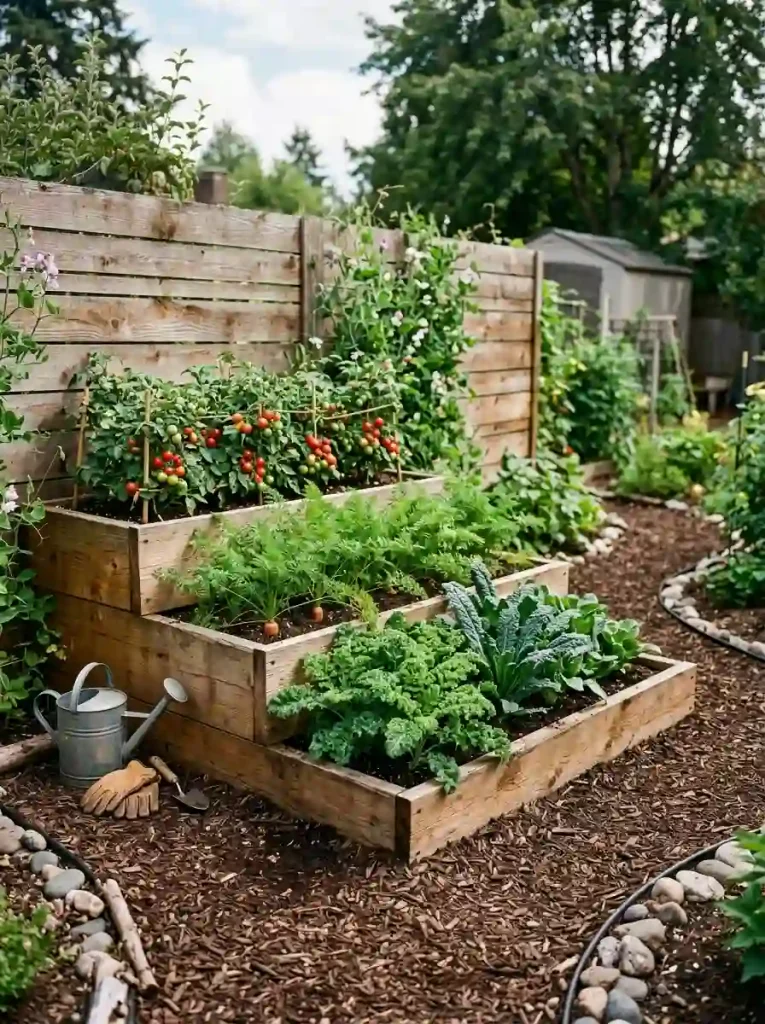
Tiered or stadium-style raised beds maximize depth perception while preventing plants in the front from shading out crops in the back. By stacking three cascading levels of cedar or corrugated metal beds, you triple your planting surface while keeping maintenance and harvesting completely strain-free.
Assign deep-root crops like carrots and beets to the upper tier, medium growers like pepper plants in the middle, and shallow-rooted leafy greens or herbs along the bottom step. This structured elevation creates a visually dramatic focal point that organizes your garden layout cleanly within a minimal footprint.
3. Keyhole Raised Garden Bed Layout
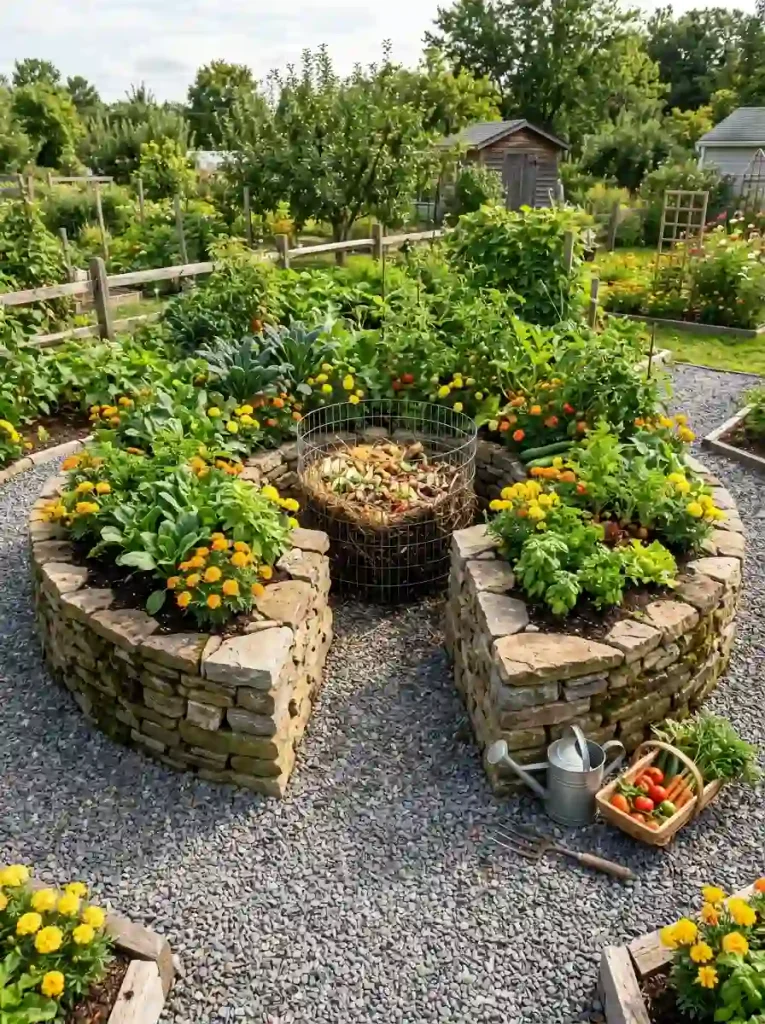
Originating as a drought-tolerant permaculture design, the keyhole garden features a circular or horseshoe layout with a small notch cutout leading to a central composting basket. This allows you to walk directly into the center of the bed to tend and harvest without stepping on or compacting cultivated soil.
Kitchen scraps and greywater added directly to the central compost basket continually feed nutrients into the surrounding root zones. This self-nourishing, compact footprint minimizes water waste while allowing high-density planting around the entire outer ring.
4. U-Shaped Enclosed Raised Bed Layout
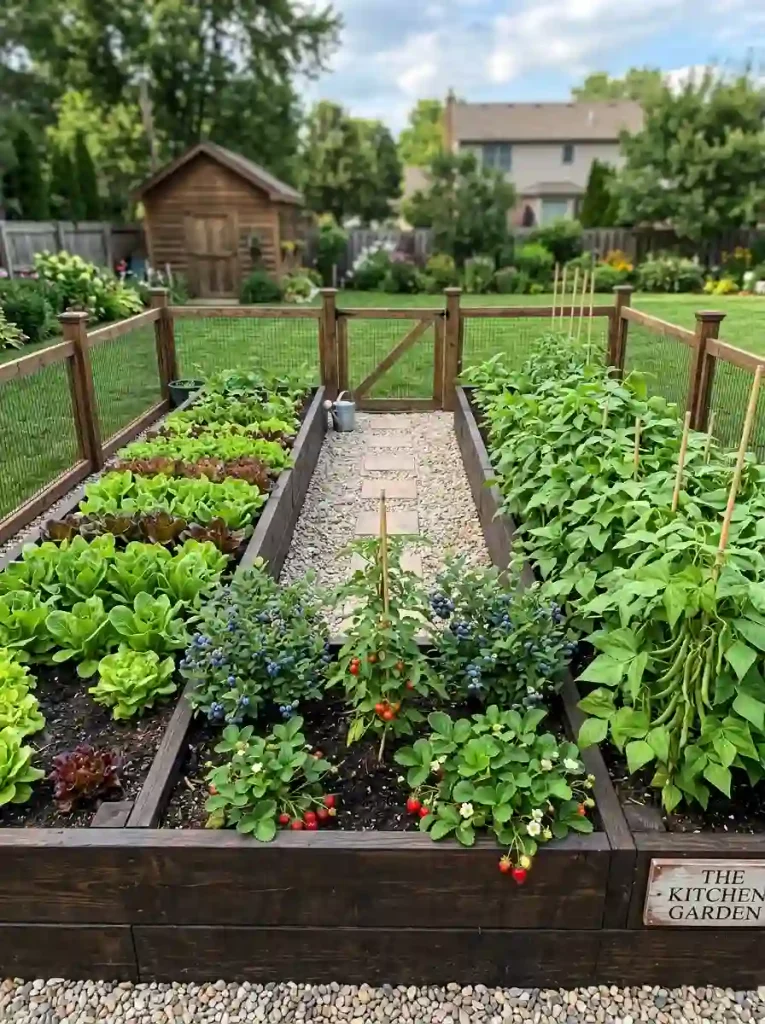
A U-shaped layout wraps three connected raised beds around a narrow central access path, offering maximum planting area with minimum wasted aisle space. This layout allows you to reach every corner of your garden beds comfortably from a single standing position inside the central cutout.
Adding an arch trellis across the top opening of the “U” creates an overhead canopy for climbing vining plants like cucumbers and pole beans. Covering the inner path with pea gravel or decomposed granite keeps footing clean, weed-free, and well-drained.
5. Perimeter Border Edge Garden Layout
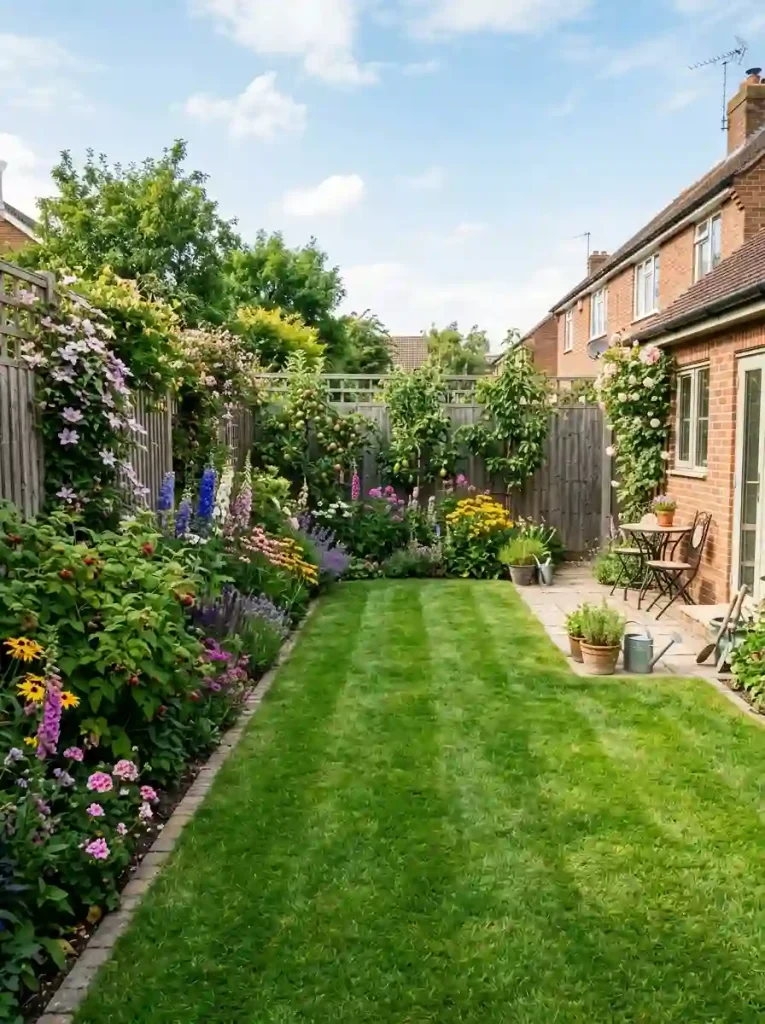
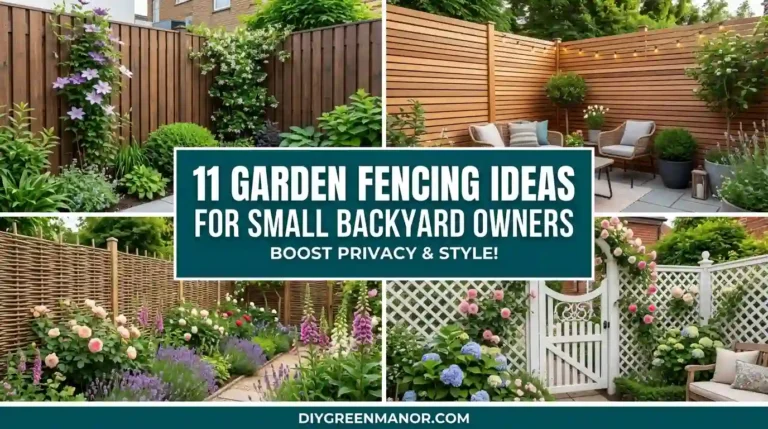
If you want to preserve an open central lawn or dining patio, running a 3-foot deep garden border along the outer fence line utilizes underused perimeter space. Layering tall climbing trellises along the back with low-growing vegetables and edible flowers in the front keeps the garden organized.
This border layout maintains an open flow across small backyards while providing ample space for companion planting. Interspersing pollinator-attracting flowers like marigolds and zinnias among vegetable crops deters pests naturally while enhancing garden aesthetics.
6. Square Foot Grid Garden Layout
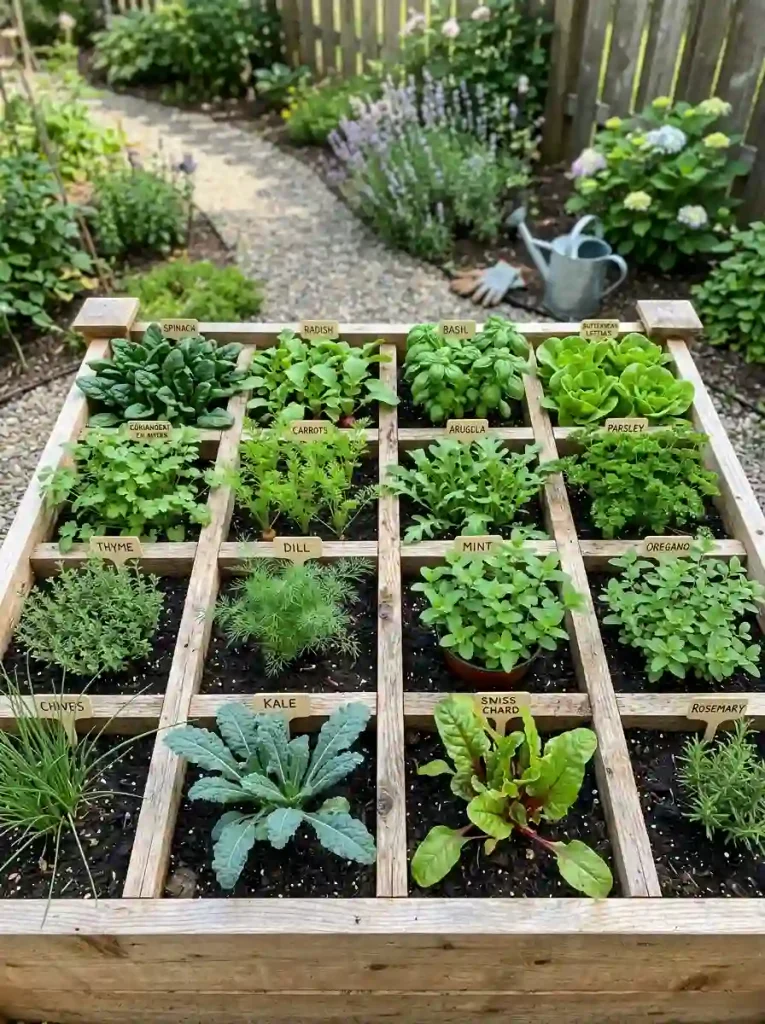
The Square Foot Gardening method relies on dividing a standard 4×4 foot raised bed into sixteen individual 1-foot squares. Each grid square is dedicated to a specific crop density (e.g., 1 cabbage, 4 lettuces, 9 spinach plants, or 16 radishes), eliminating wasted space entirely.
This layout prevents overplanting, simplifies crop rotation, and makes weeds virtually nonexistent due to high canopy coverage. It provides an exceptionally organized, high-yield system tailored specifically for small backyard spaces and beginner gardeners.
7. A-Frame Trellis & Raised Bed Hybrid
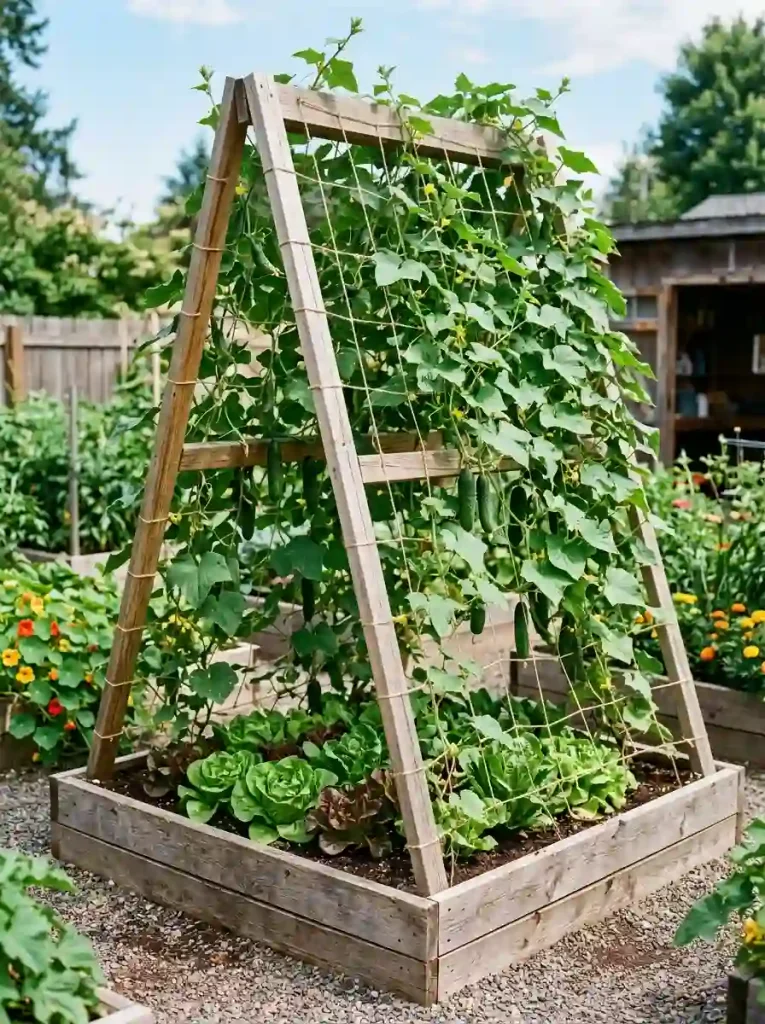
Combining vertical climbing structures directly over raised beds doubles your growing area without expanding your garden’s ground footprint. An A-frame or arch trellis allows heavy vining crops like squash, pole beans, and cucumbers to scale upward over the structure.
The shaded microclimate created underneath the vining canopy provides ideal growing conditions for cool-weather, shade-tolerant crops like spinach, arugula, and butterhead lettuce during hot summer months. It is an ingenious two-tier layout strategy for compact sunny plots.
8. Paved Patio Container Cluster Layout
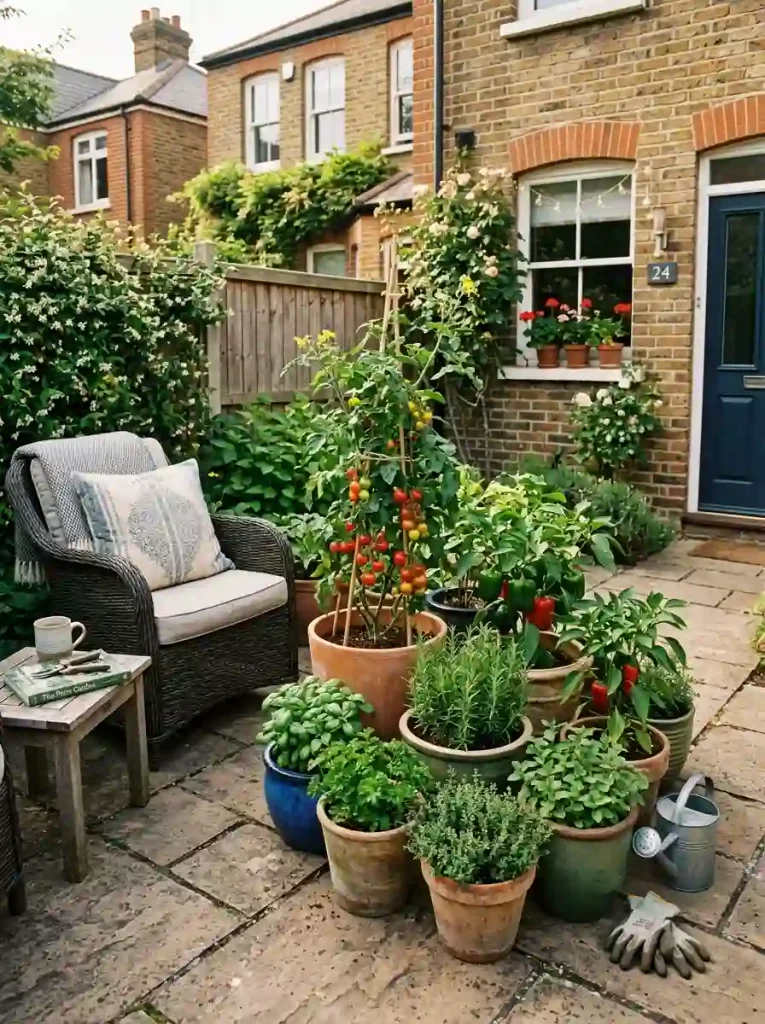
For paved courtyards, concrete patios, or rental properties where in-ground planting isn’t an option, a clustered container layout offers complete mobility and flexibility. Arranging pots of varying heights—using plant stands, steps, and large floor containers—creates layered visual depth.
Grouping containers closely together creates a humid microclimate that reduces water evaporation across individual pots. Utilizing pots equipped with internal sub-irrigation reservoirs ensures consistent moisture levels while keeping small patio surfaces dry and tidy.
9. L-Shaped Corner Pocket Layout
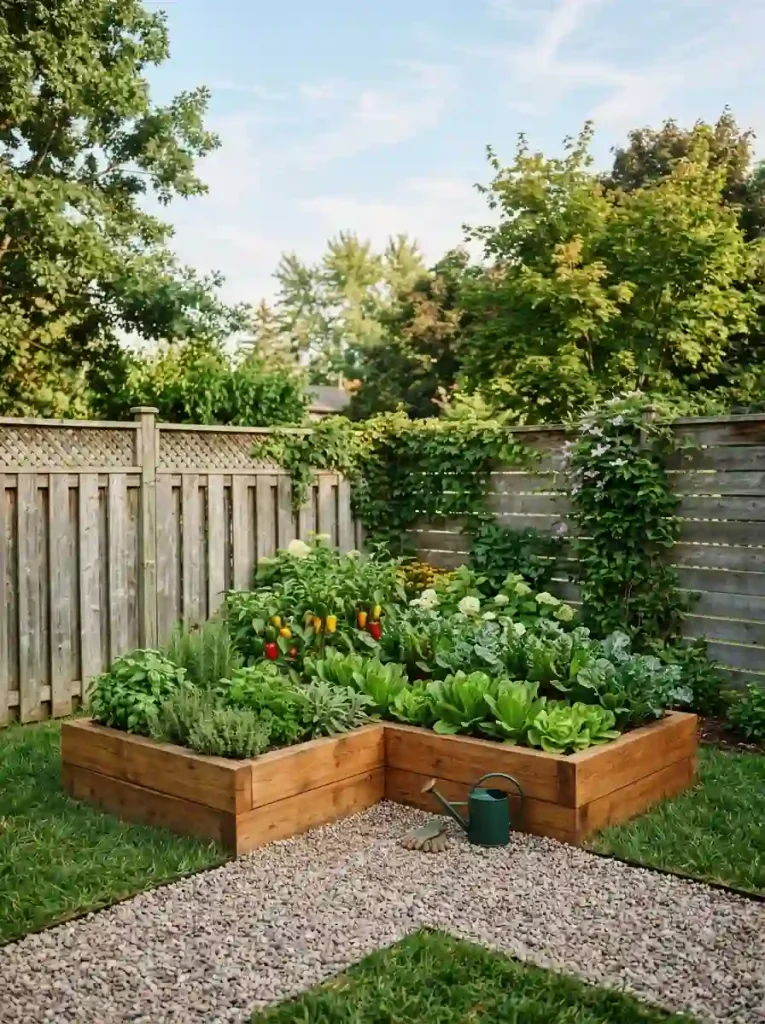
Corners are often overlooked in small backyard landscaping, making an L-shaped raised bed an exceptionally smart spatial layout. Nestling the garden bed directly into two intersecting fence lines reclaims dead space while keeping the center of your yard completely open for seating.
Mounting wall trellises along both fence sides of the “L” allows climbing beans and tomatoes to grow upward, leaving the bed floor open for bush varieties and root vegetables. It delivers a snug, tailored garden layout that looks custom-built for the property.
10. Circular Spiral Herb & Greens Layout
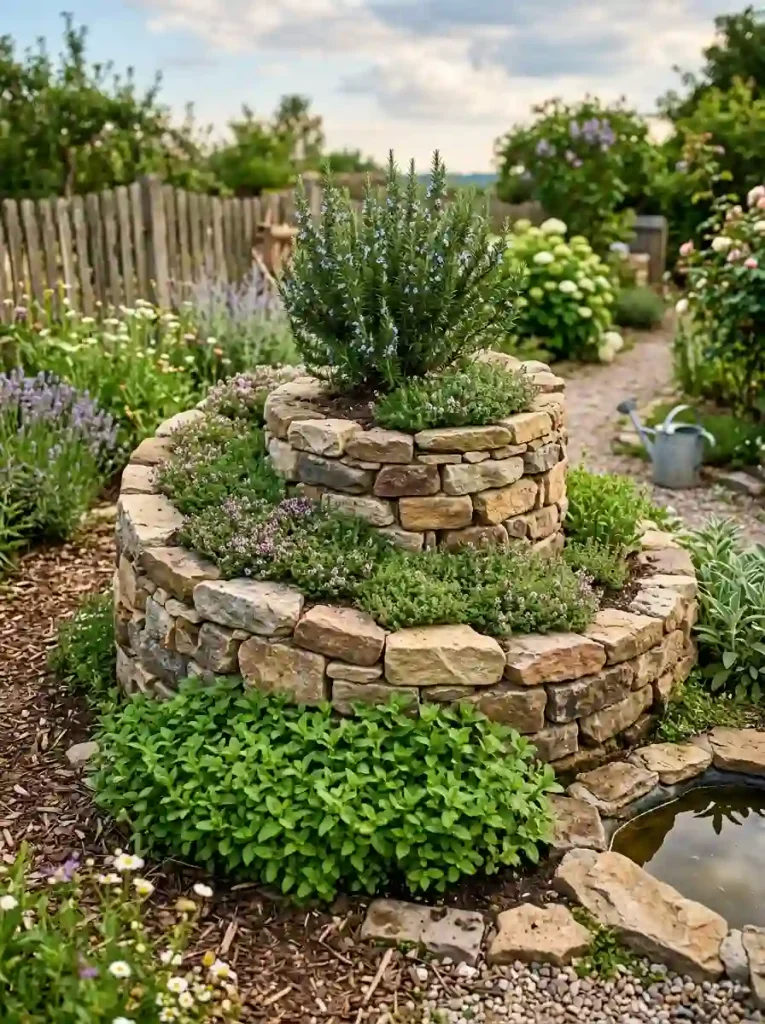
An herb spiral is a three-dimensional, space-saving layout that creates multiple microclimates within a single 5-foot diameter footprint. Built using stacked stones, brick, or timber coiling upward, the structure naturally drains water from the top down to the base.
Sun-loving, drought-tolerant herbs like rosemary and thyme thrive at the high, dry peak, while moisture-loving plants like mint, parsley, and chives flourish near the shaded, damp bottom. This layout packs dozens of culinary plants into a striking, sculpted garden feature.
11. Sunken Pathway Double-Sided Bed Layout
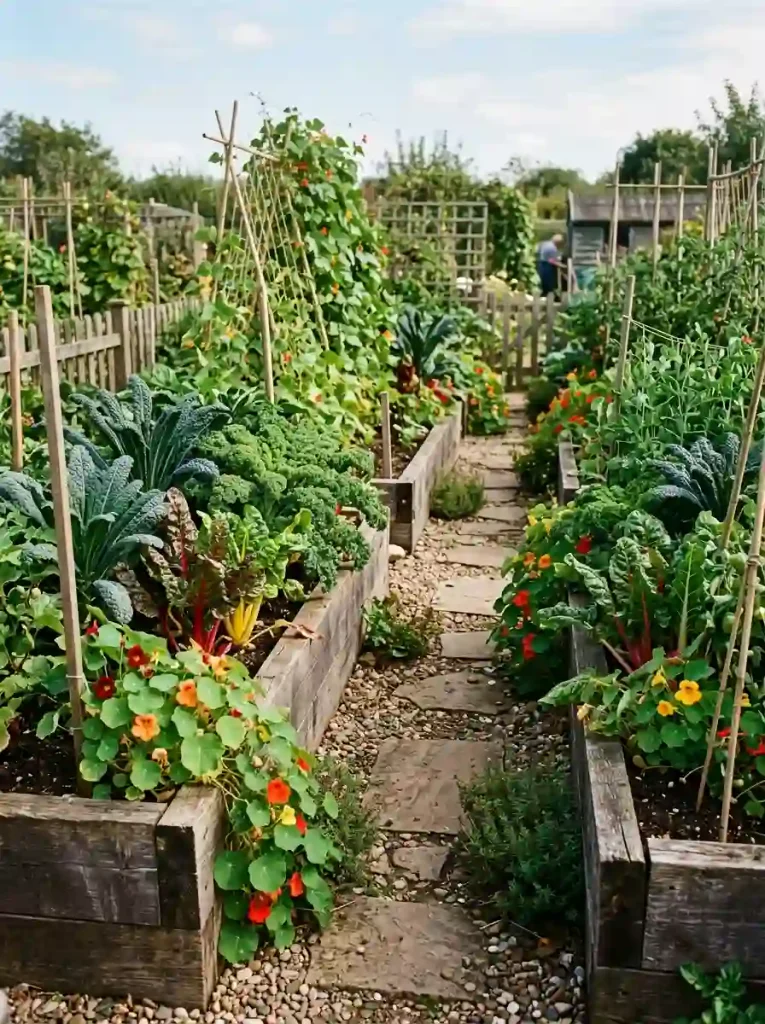
For narrow side yards or long alley-style plots, a double-sided bed layout separated by a single narrow walkway offers maximum efficiency. Sinking the central pathway slightly or elevating the flanking beds to waist height improves ergonomic access for daily maintenance.
This parallel structure creates clear linear boundaries, allowing you to establish dedicated crop rotation zones on each side. Installing overhead bamboo arches between the two beds transforms the walkway into a lush, walkable green tunnel that maximizes vertical space.
Conclusion
Designing a high-yielding small garden layout relies on clever spatial geometry, vertical structures, and strategic crop placement. By utilizing raised beds, vertical walls, and multi-tier layouts, you can turn even the smallest patio or side yard into a thriving, beautiful oasis.
Frequently Asked Questions:
Small Garden Soil, Watering & Pest Control
What is the best soil to use for small raised beds and container gardens?
For small space gardens, avoid using heavy topsoil or straight garden dirt from your yard, as it compacts easily and prevents proper drainage. Instead, choose a high-quality potting mix blended with organic compost, peat moss (or coconut coir), and perlite. This lightweight combination retains vital moisture while allowing roots to breathe and absorb nutrients efficiently in confined spaces.
How often should I water my small garden or container plants?
Watering frequency depends on container size, sun exposure, and temperature. Small pots and raised beds dry out much faster than traditional in-ground gardens. Check soil daily by inserting your finger about one inch deep; if it feels dry, water deeply until moisture drains from the bottom. Early morning is the best time to water, as it reduces evaporation and gives plants the hydration needed to sustain summer heat.
How can I manage pests naturally in a compact garden space?
Maintaining healthy soil and good airflow is your first line of defense. For natural pest control, practice companion planting by placing marigolds, basil, or nasturtiums alongside your vegetables to deter unwanted insects. If pests like aphids or spider mites appear, spray your plants with a mild solution of organic neem oil or insecticidal soap, targeting the undersides of leaves where bugs tend to hide.
How do I prevent overwatering and root rot in small planters?
Always ensure your pots and raised beds have adequate drainage holes at the bottom so excess water can escape freely. Avoid letting containers sit directly in standing water saucers for long periods. Adding coarse perlite or pumice to your potting mixture improves aeration, preventing waterlogged conditions that lead to fungal growth and root rot.