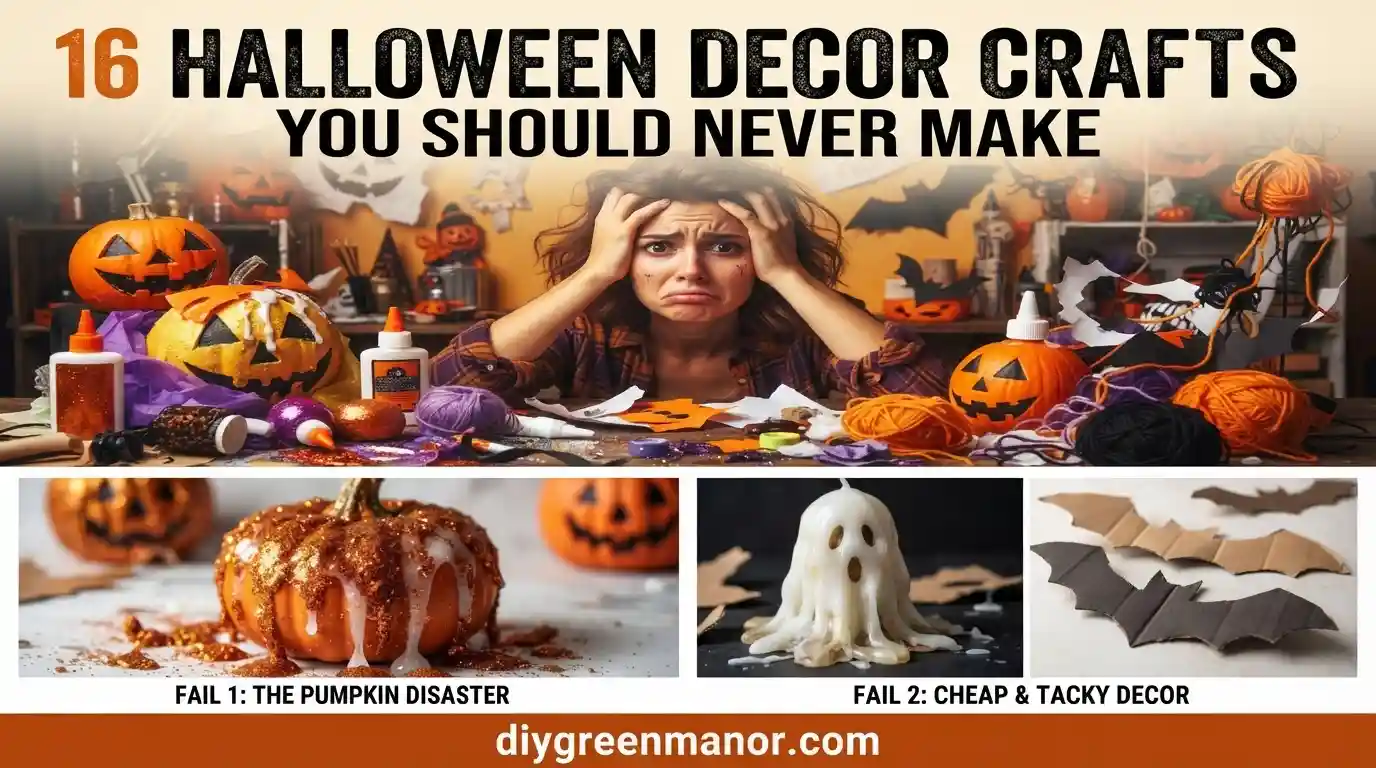
16 halloween Decor Crafts You Should Never Make
Crafting your own Halloween decorations is supposed to save money, spark creativity, and result in festive home decor. However, not every seasonal DIY project you see on social media is worth the time, effort, or safety risk.
Many popular viral crafts turn out flimsy, look messy, create major storage headaches, or even pose serious fire hazards near candles and outdoor elements.
1. Real Pumpkin Moldy Indoor Centerpieces
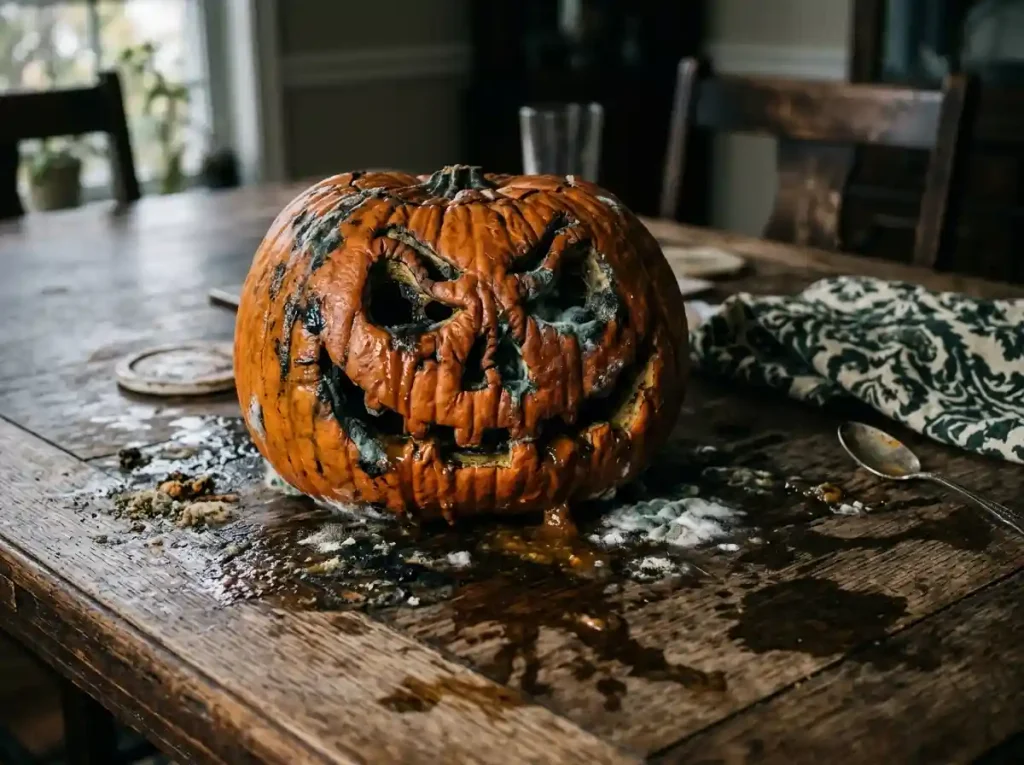
Carving real pumpkins two weeks before Halloween to use as indoor dining or living room centerpieces is a guaranteed recipe for mess. Real carved pumpkins begin decaying within days, releasing foul odors, attracting fruit flies, and leaking acidic juices that ruin expensive wooden tables.
Stick to realistic artificial foam pumpkins for indoor displays, and reserve real carved jack-o’-lanterns for outdoor porch steps a day or two before trick-or-treating.
2. Flammable Cotton Ball & Batting Webbing
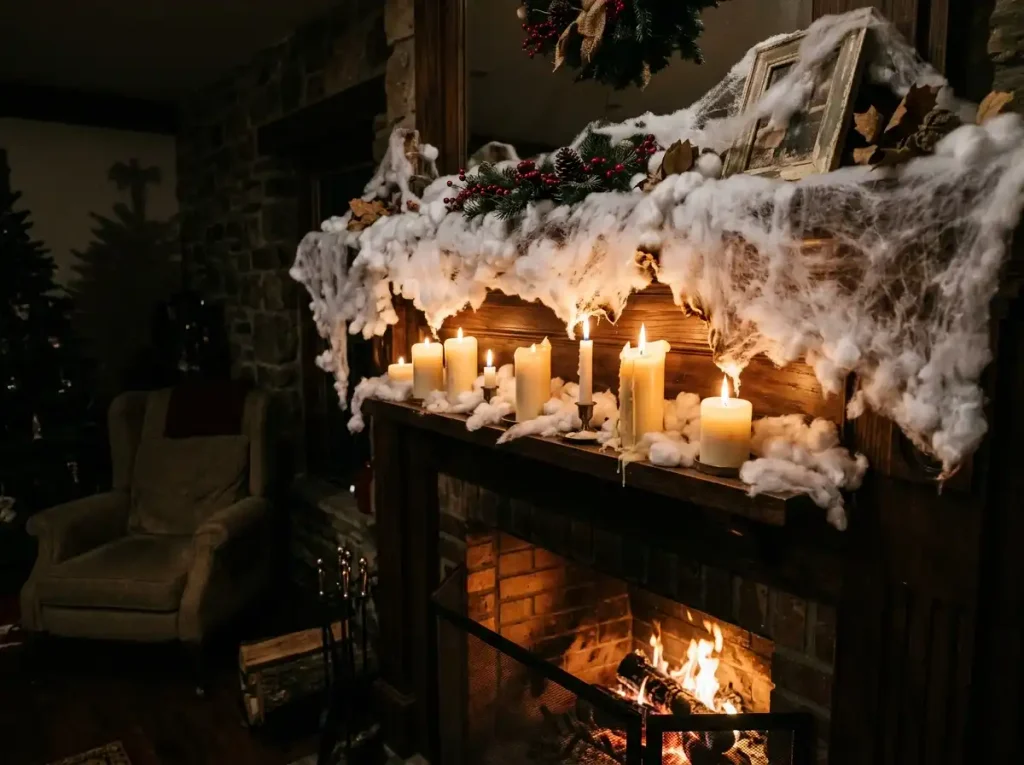
Stretching dry cotton balls or polyester fiberfill batting across fireplace mantels, light fixtures, or lamps creates an extreme fire hazard. These fine synthetic fibers catch fire instantly from open candle flames or warm light bulbs.
If you want spiderweb textures indoor, opt for flame-retardant synthetic stretch webbing or use black yarn webs kept far away from heat sources.
3. Mod Podge Coated Real Autumn Leaves
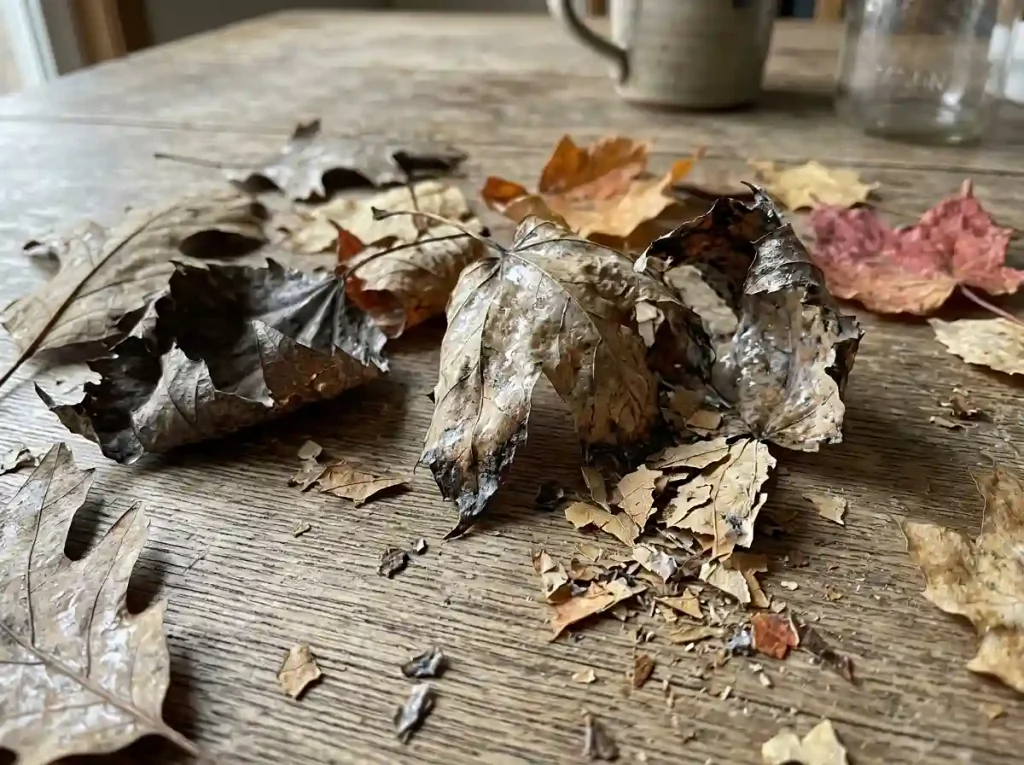
Preserving fallen autumn leaves by coating them in Mod Podge or PVA craft glue rarely works long-term. As the leaves lose their natural moisture underneath the glue layer, they curl, turn brown, and crumble into brittle pieces within a few days.
Save yourself the frustration and buy realistic faux silk autumn leaf garlands that remain vibrant year after year.
4. Spray-Painted Real Pumpkin Decor
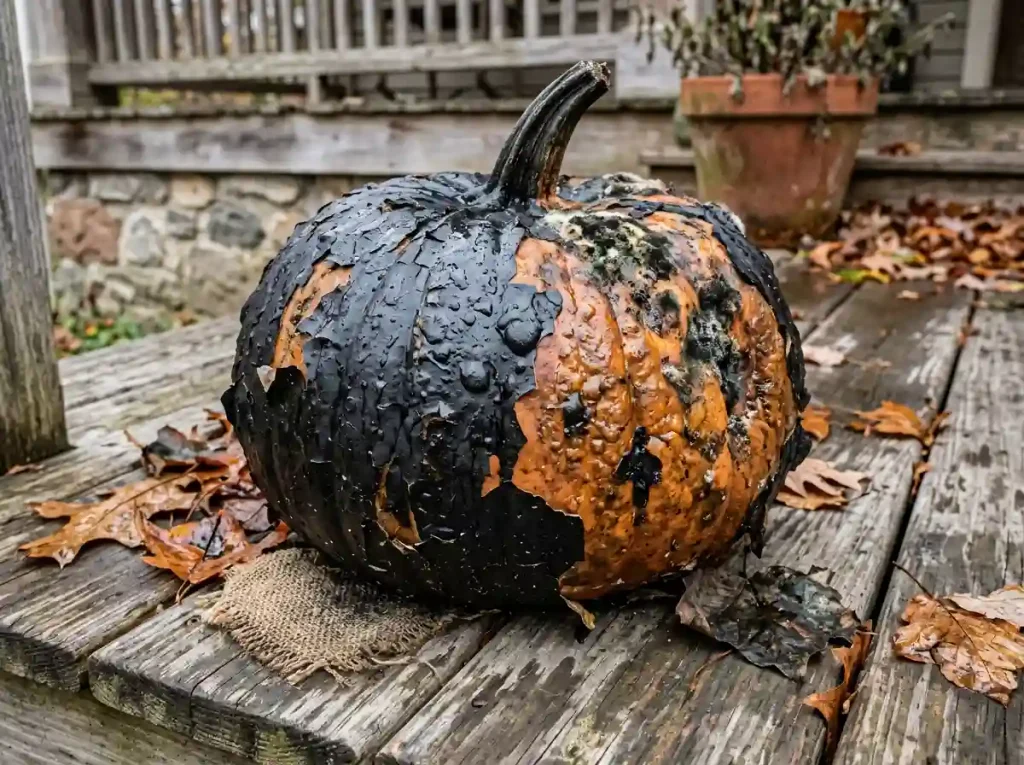
Coating uncarved real pumpkins in heavy acrylic spray paint seals moisture inside the skin, accelerating internal rot. The trapped gases cause the pumpkin to soften from the inside out, often resulting in a messy burst of rotten pulp on your porch.
If you want painted matte black or metallic gold pumpkins, buy artificial craft pumpkins that take paint cleanly and last forever.
5. Cheap Melted Crayon Candle Centerpieces
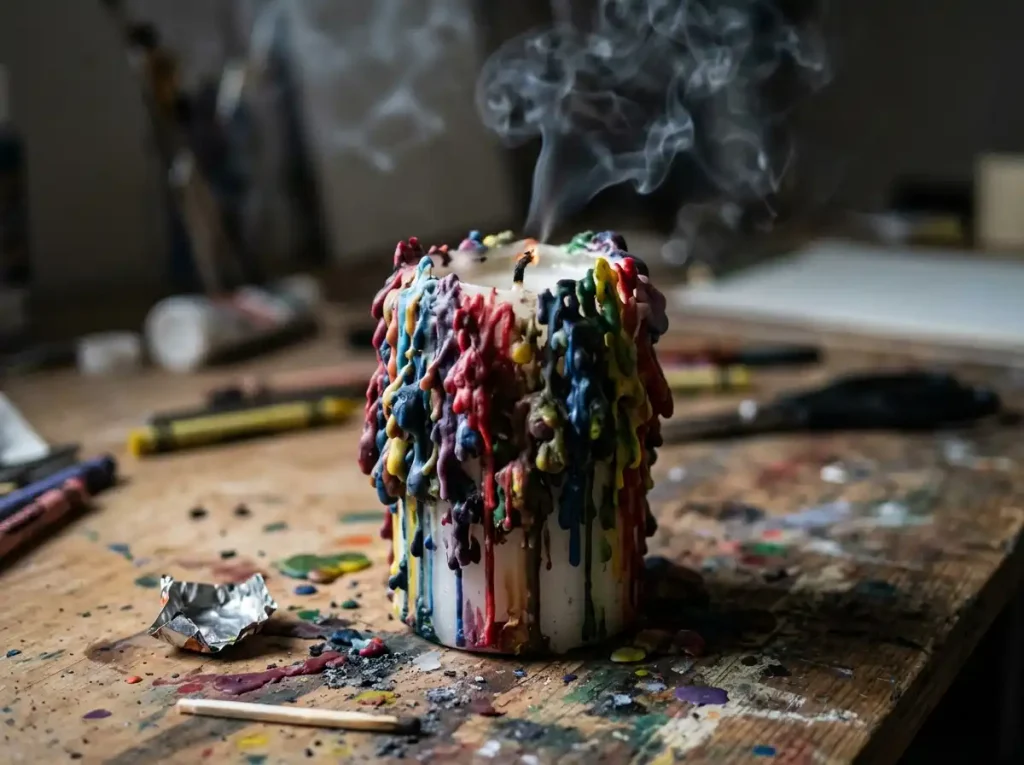
Melting synthetic wax crayons directly over white pillar candles creates messy, uneven globs rather than sleek blood drips. Furthermore, burning non-toxic crayon pigments causes heavy, soot-filled smoke that smells unpleasant and clogs candle wicks.
Use dedicated dark red wax taper candles or red wax dye designed specifically for candle making instead.
6. Cardboard Box Outdoor Lawn Graveyards
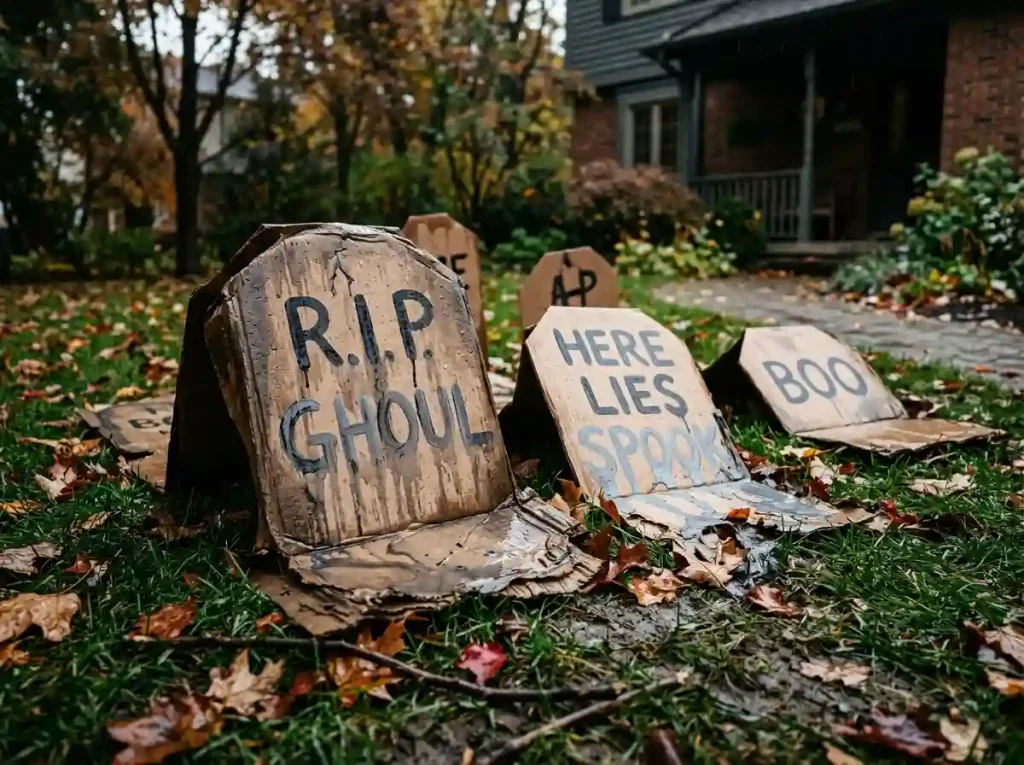
Building outdoor lawn tombstones out of plain corrugated cardboard shipping boxes always ends in disaster after the first damp autumn evening. Morning dew and light rain cause the cardboard to soften, sag, and melt onto your grass.
For outdoor cemeteries, use high-density rigid insulation foam board painted with masonry sealer to withstand autumn moisture.
7. Messy Shaved Crayon Wax Window Art
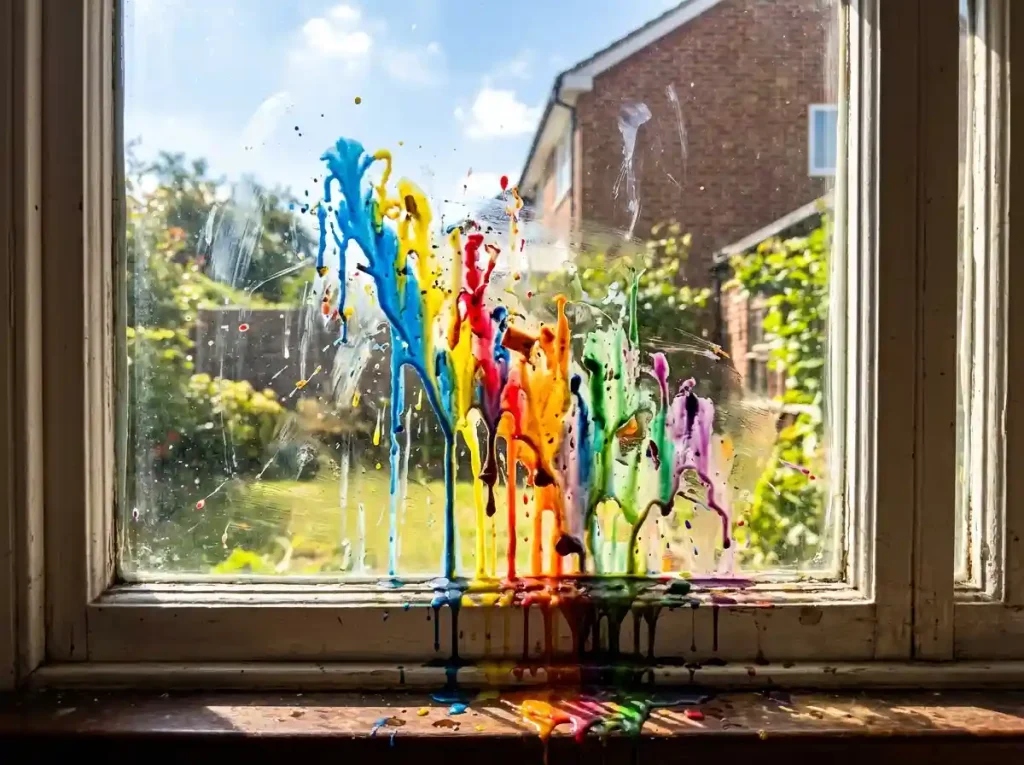
Melting shaved crayons between sheets of wax paper to make stained-glass window hangings creates a sticky mess when exposed to direct sunlight. Afternoon heat through window glass re-melts the wax,
causing it to leak out onto window sills and stain drapery. Stick to static-cling vinyl window decals or washable glass markers for mess-free window art.
8. Glue-Gun Heavy Glass Jar Lanterns
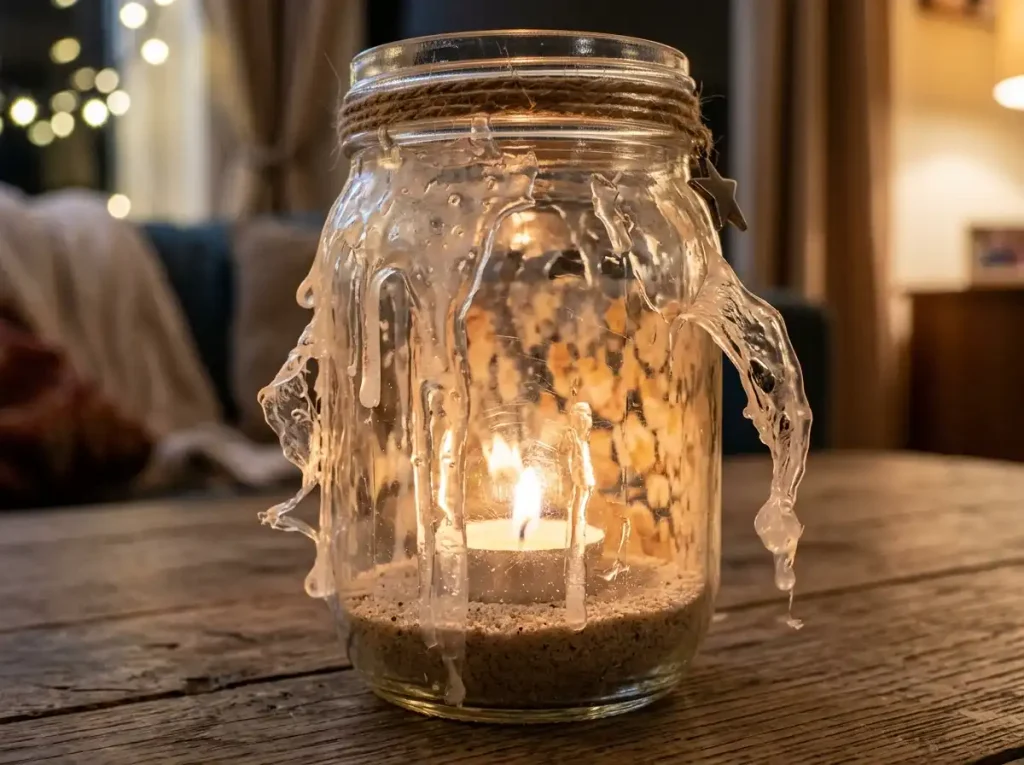
Using hot glue to attach heavy plastic spiders, stones, or thick twigs to smooth glass mason jars rarely holds up. Hot glue does not form a permanent bond with cold, smooth glass; as soon as an LED candle inside warms the glass, the glued accents pop right off.
Use clear glass-grade silicone adhesive or Mod Podge for glass crafts.
9. Spray-Foam Monster Props Without Frame Support
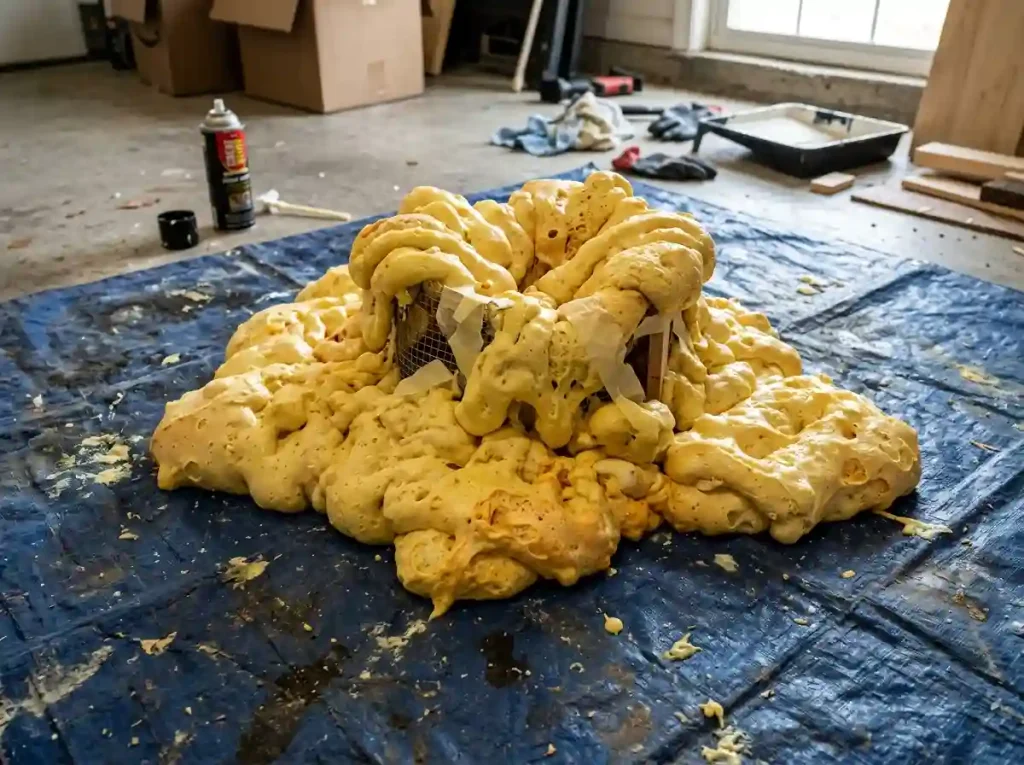
Viral tutorials often show expanding gap spray foam turned into giant monster props. However, spray foam expands unpredictably, takes days to dry inside thick layers, and collapses into an unrecognizable lumpy mess without a rigid interior wire or PVC frame. Unless you are an experienced prop builder using structural armatures, avoid spray foam projects.
10. Glitter-Coated Front Porch Decor
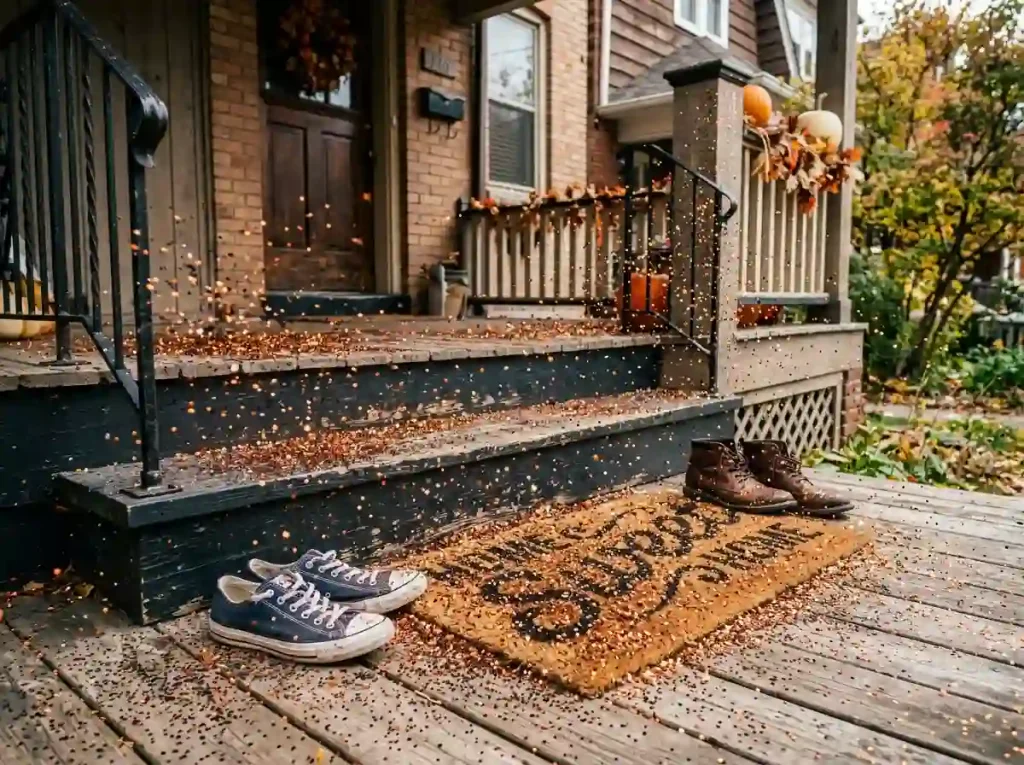
Applying loose craft glitter to outdoor pumpkins, wreaths, or door signs guarantees a mess that will linger in your yard for months. Wind and autumn rain blow micro-glitter off the props,
tracking it into your house and polluting local garden soil. If you want sparkle outdoors, choose pre-glittered metallic ribbons or high-shine metallic paint finishes.
11. Overly Complex Paper-Mache Skulls
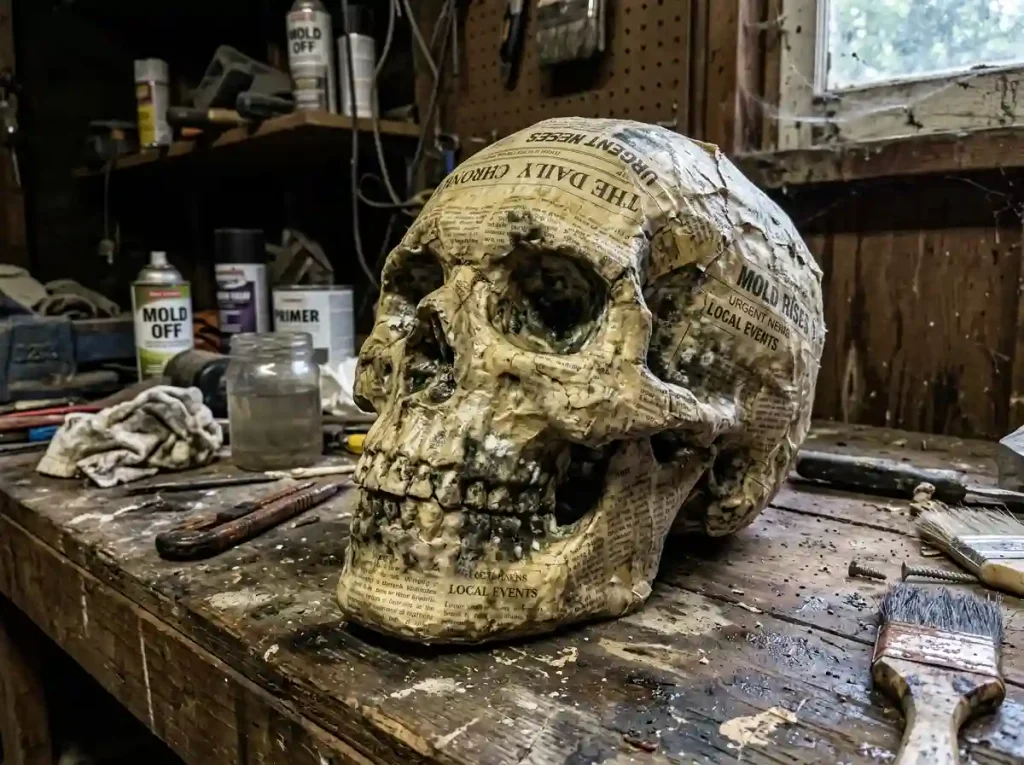
Multi-layer paper-mache props require days of drying time between layers. In damp October weather, wet flour-and-water paste dries very slowly, frequently attracting mold spores before the project is even finished.
Unless you have a warm, climate-controlled drying area, skip paper-mache and use lightweight plaster-of-Paris cloth wraps or pre-formed foam heads.
12. Unsealed Salt Dough Hanging Ornaments
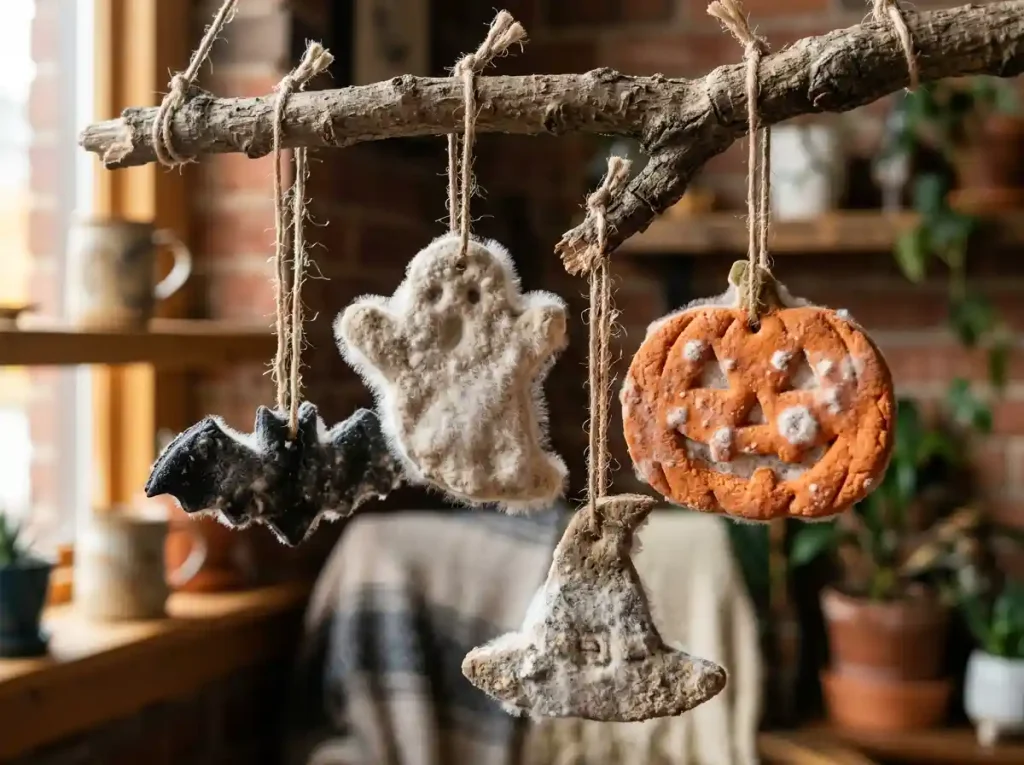
Salt dough is a popular craft for kids, but unsealed salt dough ornaments absorb ambient humidity from autumn air. Over time, the moisture causes the ornaments to soften, warp, and grow surface mold while in storage.
If you make salt dough crafts, coat them thoroughly in multiple layers of clear polyurethane sealer, or switch to oven-bake polymer clay.
13. Outdoor Bleach-Splattered Fabric Banners
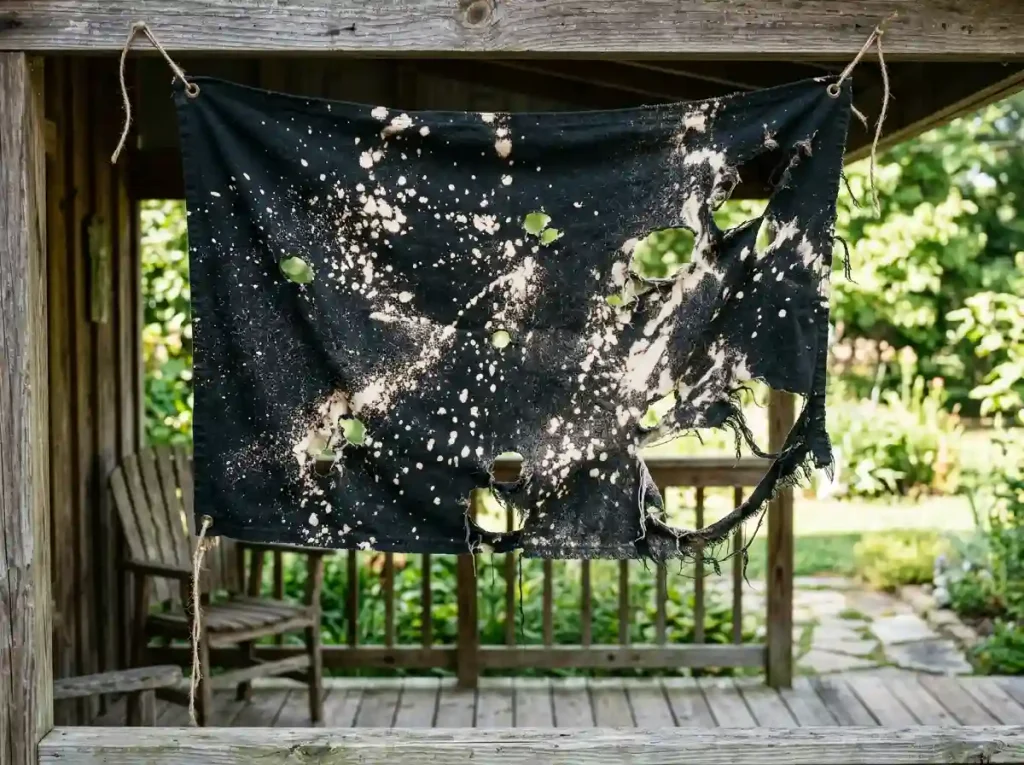
Splattering concentrated household bleach on black cotton fabric creates a cool vintage rust effect, but the chemical reaction permanently weakens fabric fibers. Within days of hanging outdoors in the wind, the bleached spots disintegrate into frayed holes and tears
. Achieve the same distressed look safely using opaque orange and white fabric paint instead.
14. Permanent Sharpie Designs on Real Pumpkins
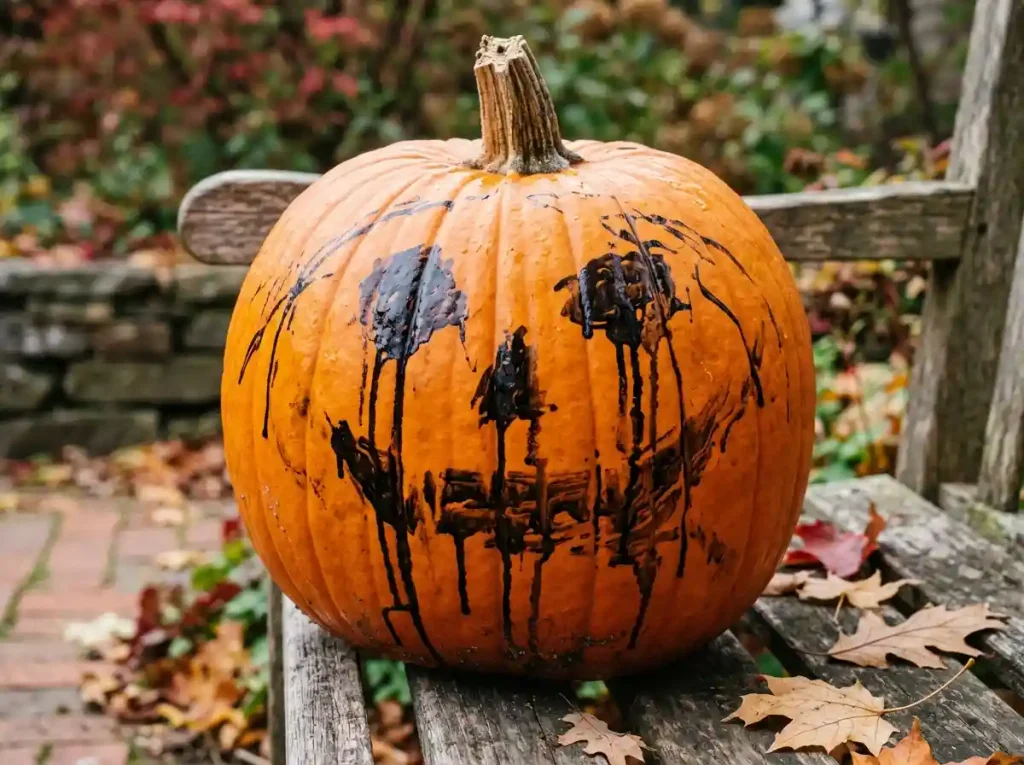
Drawing detailed faces on real uncarved pumpkins with standard permanent markers usually results in smudged, messy lines. The natural waxy coating on pumpkin skin prevents alcohol-based ink from drying properly, leaving wet ink that rubs off on hands
. Use oil-based paint pens or acrylic craft paint for crisp, smear-proof drawings on real pumpkins.
15. Heavy Concrete Pumpkin Planters Made Without Rebar
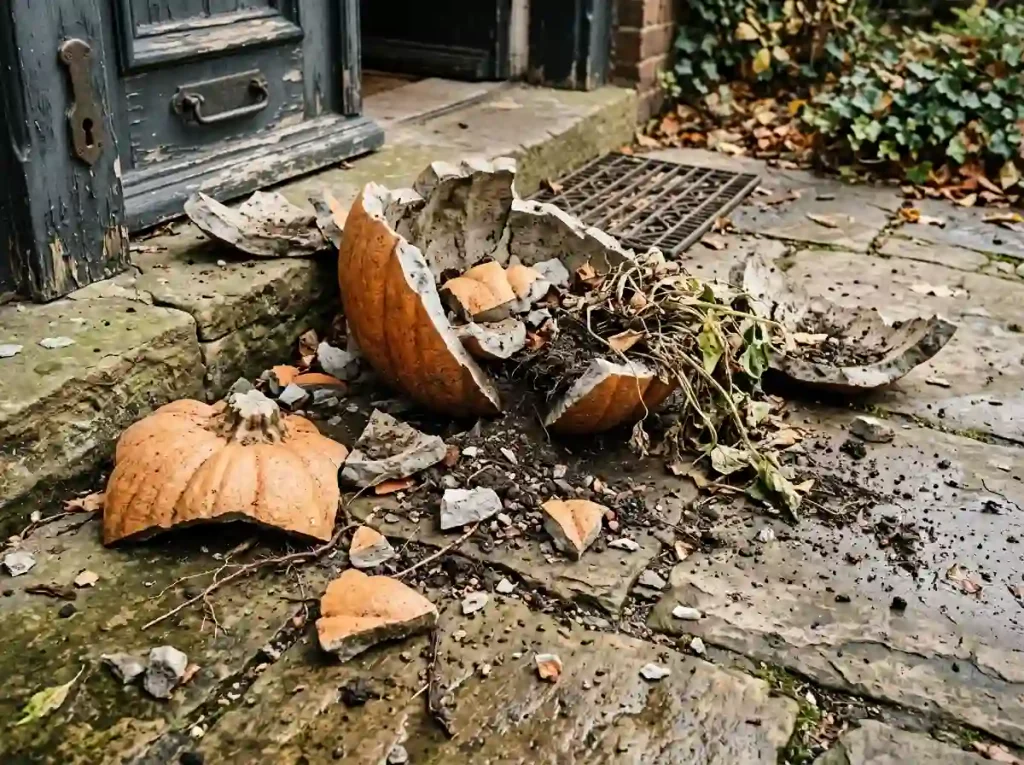
Attempting to cast hollow concrete pumpkins using cheap plastic trick-or-treat buckets as molds often fails during demolding. Without proper aggregate mix and wire reinforcing mesh, thin concrete walls crack easily when you remove the plastic mold, leaving you with heavy, dangerous debris. Use lightweight hypertufa or hollow foam planters instead.
16. Egg Carton Bat Garlands for Outdoor Use
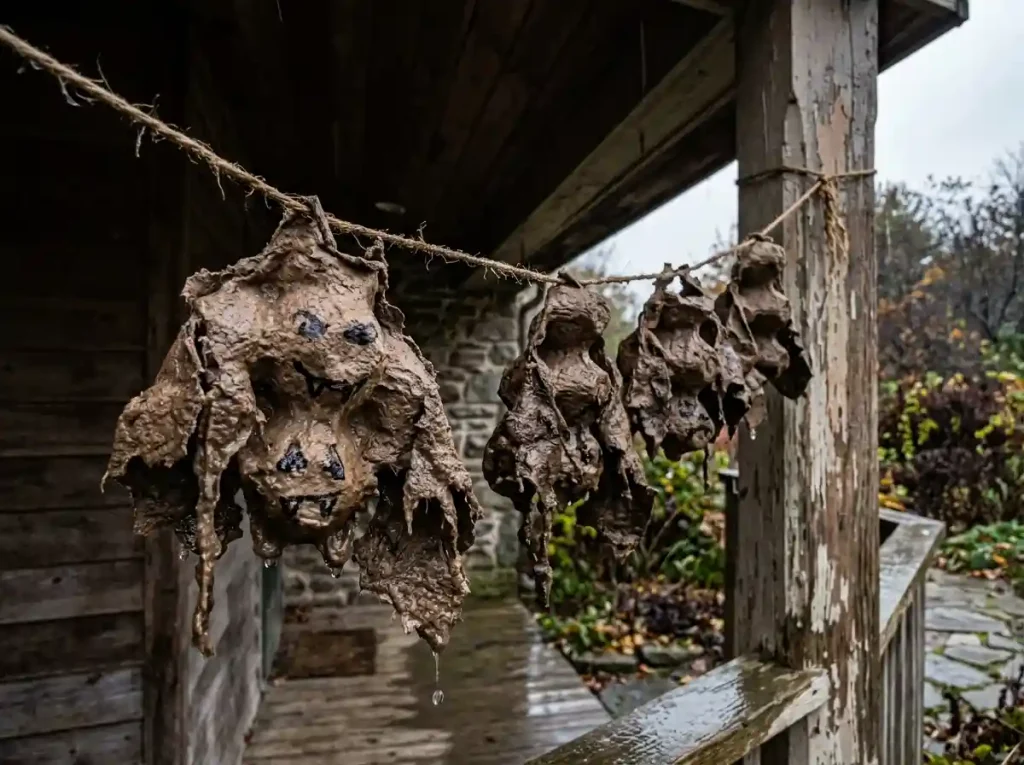
Repurposing cardboard egg cartons into painted bat garlands is a fun indoor toddler activity, but hanging them outside on porches is a mistake.
Cardboard egg cartons act like sponges, absorbing rain and humidity until they disintegrate and fall off the string. Keep cardboard egg carton crafts strictly indoors, and use black craft foam sheets for outdoor garlands.
Frequently Asked Questions (FAQ)
What are the safest DIY materials for outdoor Halloween decor?
The most durable materials for outdoor Halloween DIY projects include rigid insulation foam board, heavy plastic contractor bags, PVC piping, craft foam sheets, outdoor acrylic paints, and sealed synthetic fabrics.
How can I make my indoor Halloween DIY crafts last multiple years?
To ensure your indoor crafts last, avoid organic materials (like real food or unpreserved leaves) that rot or attract pests. Use permanent adhesives appropriate for the specific material, seal painted surfaces with clear acrylic sealer spray, and store finished props in airtight plastic totes in a climate-controlled area.
Why shouldn’t I use real pumpkins for early October decorating?
Real pumpkins begin decomposing as soon as they are cut or exposed to warm temperatures. Uncarved pumpkins generally last 3 to 4 weeks outdoors in cool weather, but carved pumpkins only last 3 to 7 days before developing mold, soft spots, and unpleasant odors.