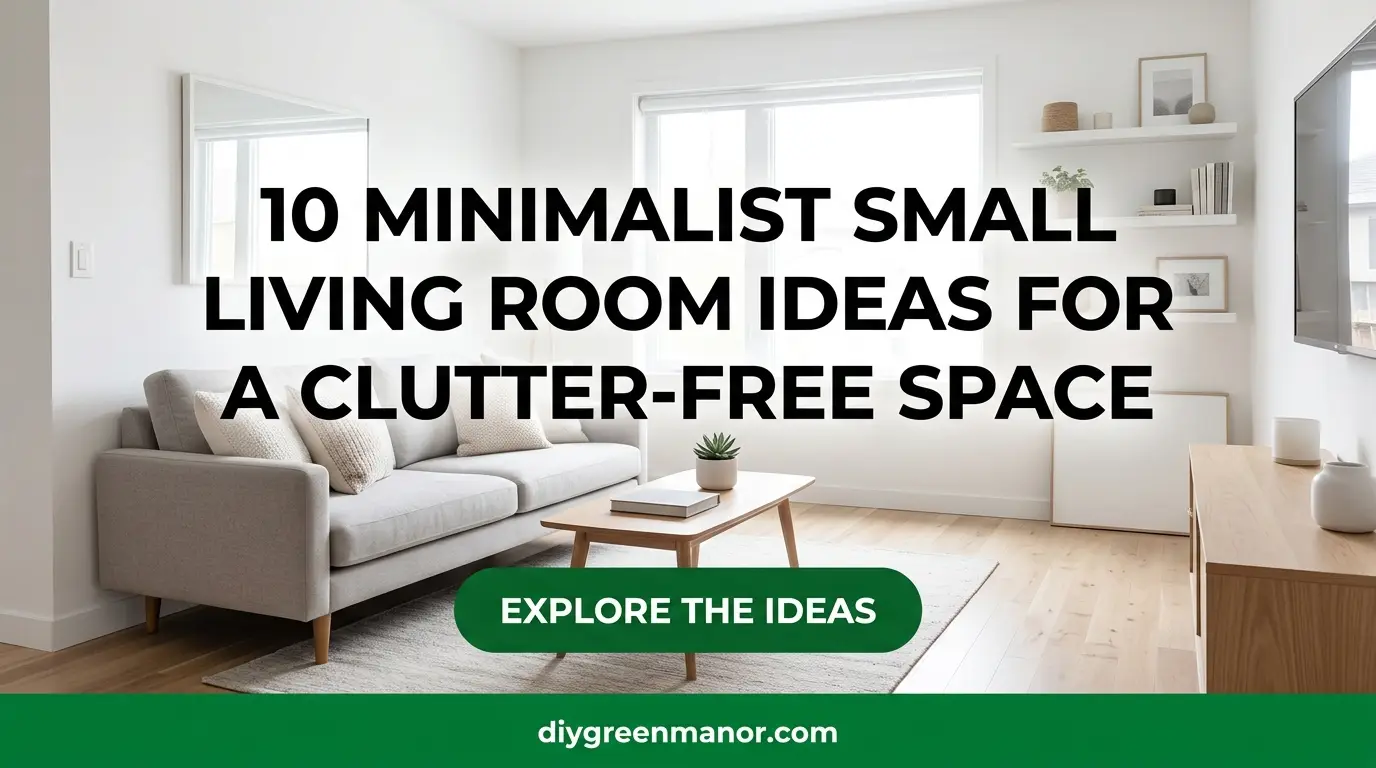
10 Minimalist Small Living Room Ideas for a Clutter-Free Space
Embracing minimalism in a small living room is more than just a aesthetic design choice—it is a practical approach to creating a restful, serene home environment.
When physical square footage is limited, unnecessary decor, bulky furniture, and exposed everyday items can quickly create visual noise and physical clutter, making the space feel cramped and overwhelming.
By applying intentional minimalist principles, you focus strictly on quality over quantity, clean architectural lines, purposeful storage solutions, and open floor space.
1. Built-In Hidden Storage & Seamless Cabinetry
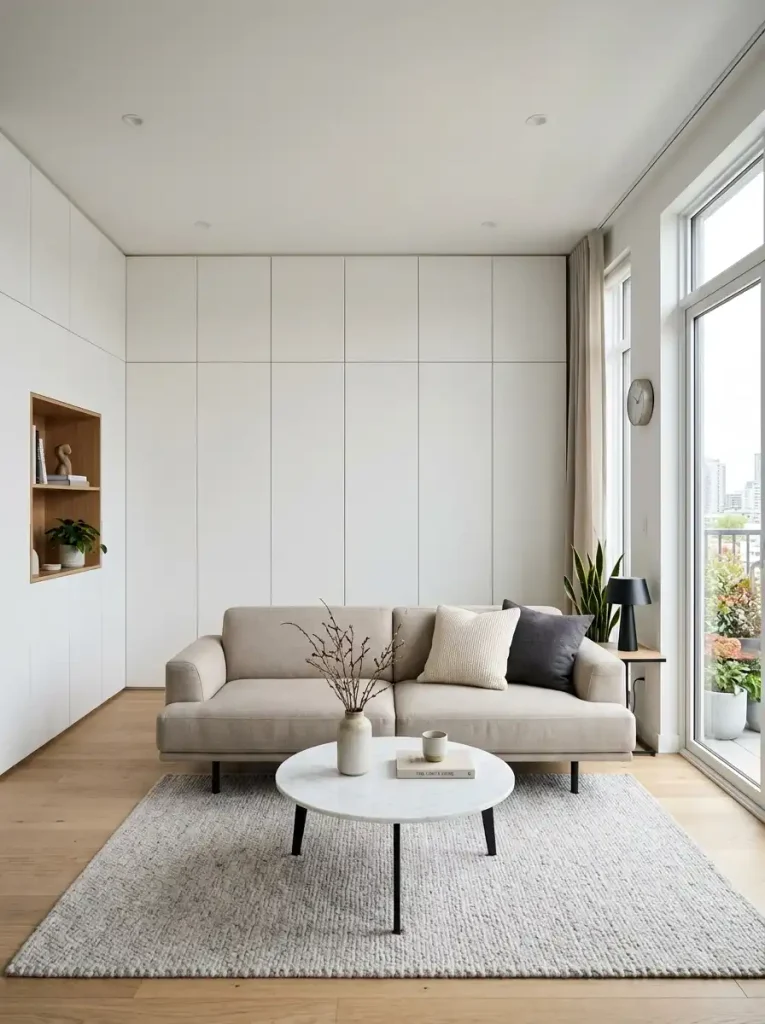
Visible clutter is the primary culprit behind a small living room feeling messy and chaotic. Installing seamless, floor-to-ceiling built-in cabinetry with handleless push-to-open doors allows you to conceal media electronics, cable wires, board games, and extra throw blankets completely out of sight.
By painting the storage cabinets in the exact same shade and finish as your surrounding walls, the furniture visually blends directly into the architecture. This creates a smooth, continuous surface that maintains clean sightlines while providing generous hidden storage capacity.
2. Multi-Functional Coffee Tables with Concealed Compartments
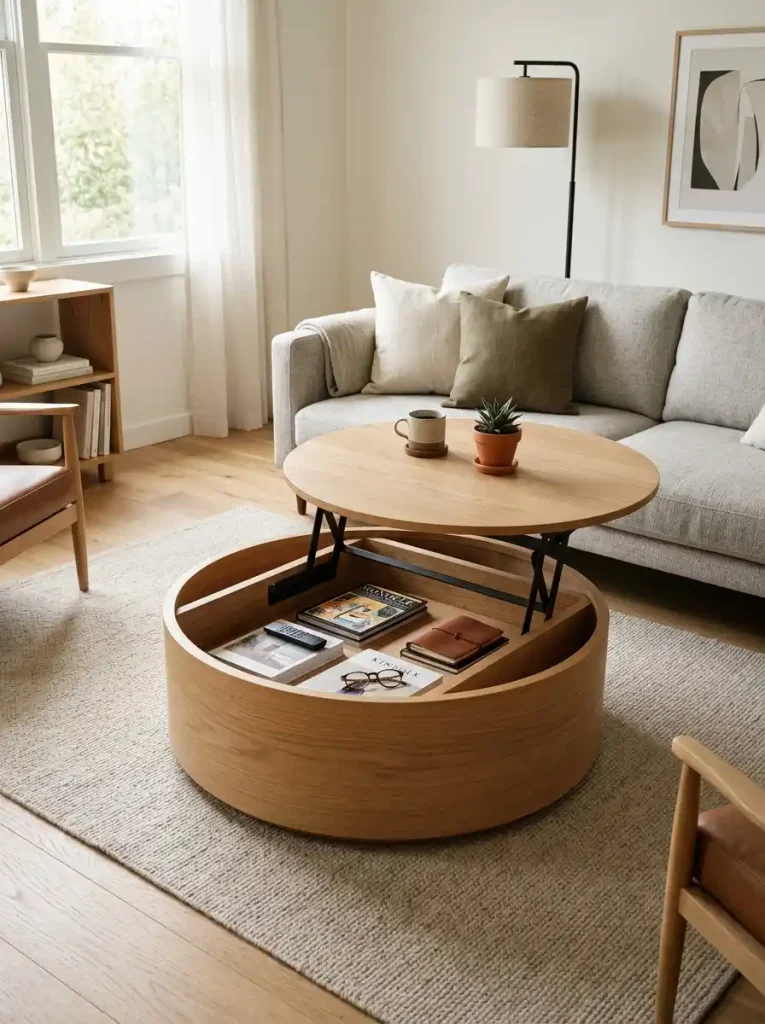
Every piece of furniture placed in a small minimalist layout must justify its footprint by offering high functionality. Instead of choosing a decorative open-frame glass table that exposes floor clutter underneath, opt for a minimalist wood or upholstered coffee table with built-in hidden storage compartments or a pop-up lid. These concealed spaces give you a designated home for remote controls, reading glasses, magazines, and chargers, keeping your main tabletop surface completely clear for a simple vase or candle.
3. Monochromatic Color Palette with Subtle Textural Contrast
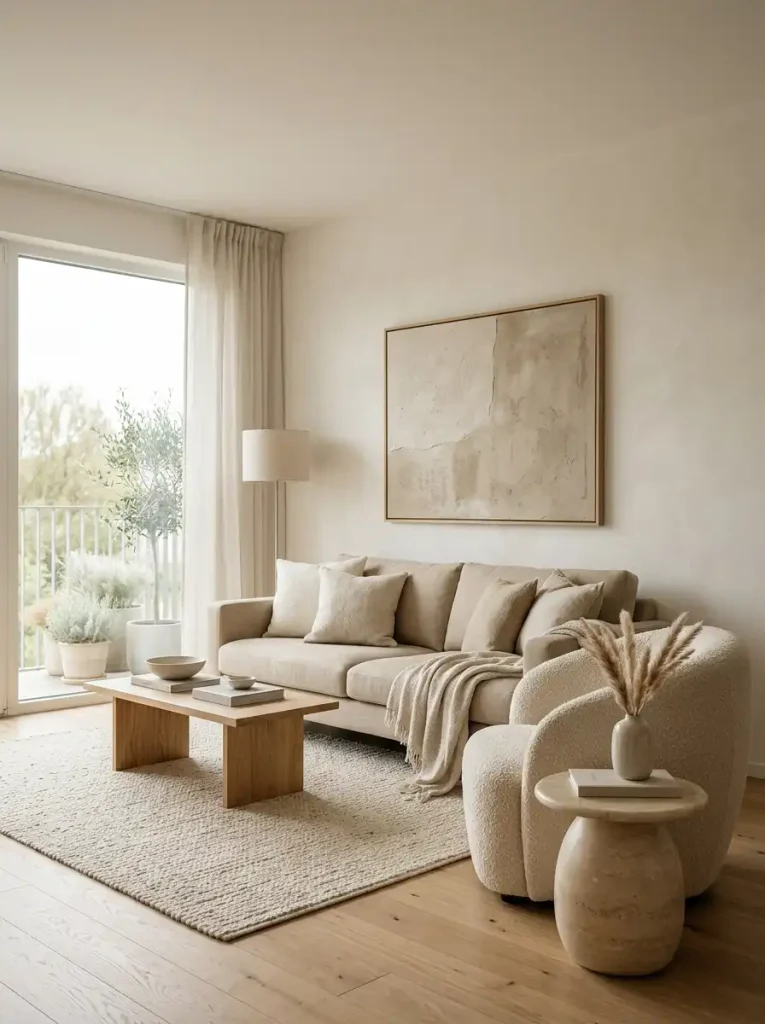
Using too many contrasting colors in a compact room cuts the layout into fragmented visual sections, making the space feel smaller than it actually is. Adopting a restrained monochromatic color palette—such as warm off-white, soft taupe, or quiet greige—allows your eyes to travel smoothly across the room without interruption. To prevent a single-color space from feeling flat or sterile, introduce subtle tactile variation by pairing smooth linen sofas with a bouclé accent chair, a slub cotton throw, and a honed travertine side table.
4. Floating Wall-Mounted TV Units & Cord Concealment
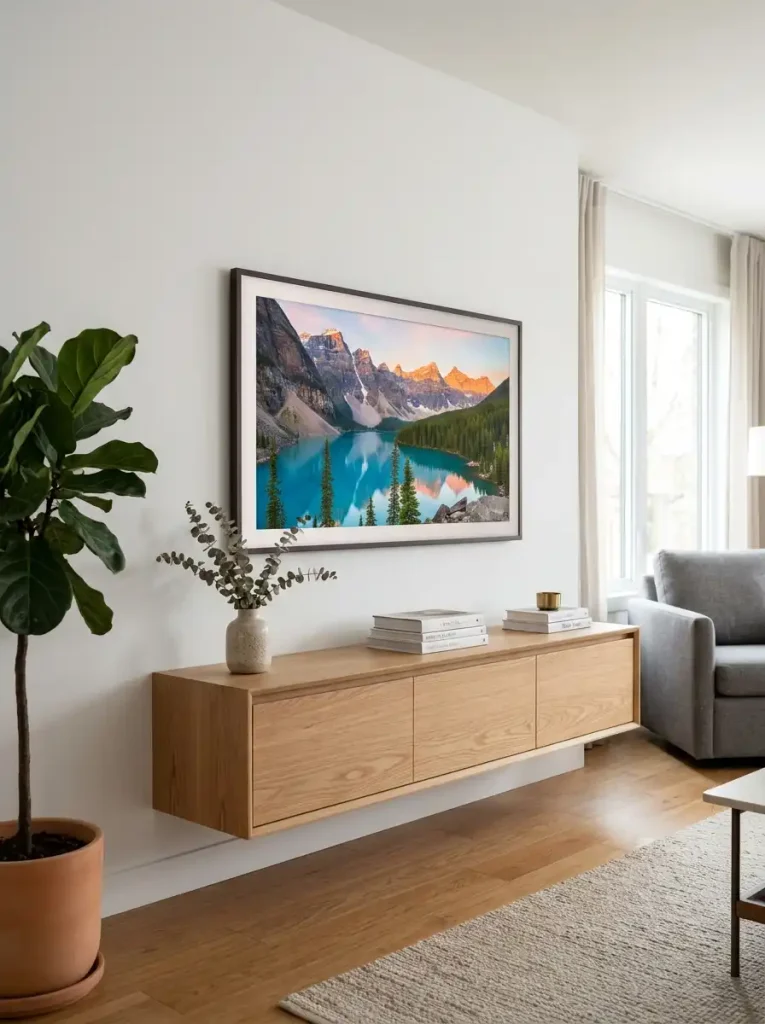
Heavy floor-standing entertainment centers can swallow up valuable floor space and accumulate dust behind messy wiring. Mounting your television directly onto the wall and pairing it with a slender floating credenza keeps the base floor area completely open, instantly giving the illusion of an expanded room depth. Utilizing behind-the-wall cable management kits or paintable wire covers eliminates tangled cords entirely, resulting in a crisp, gallery-like wall display that supports a calm atmosphere.
5. Statement Art Instead of Cluttered Gallery Walls
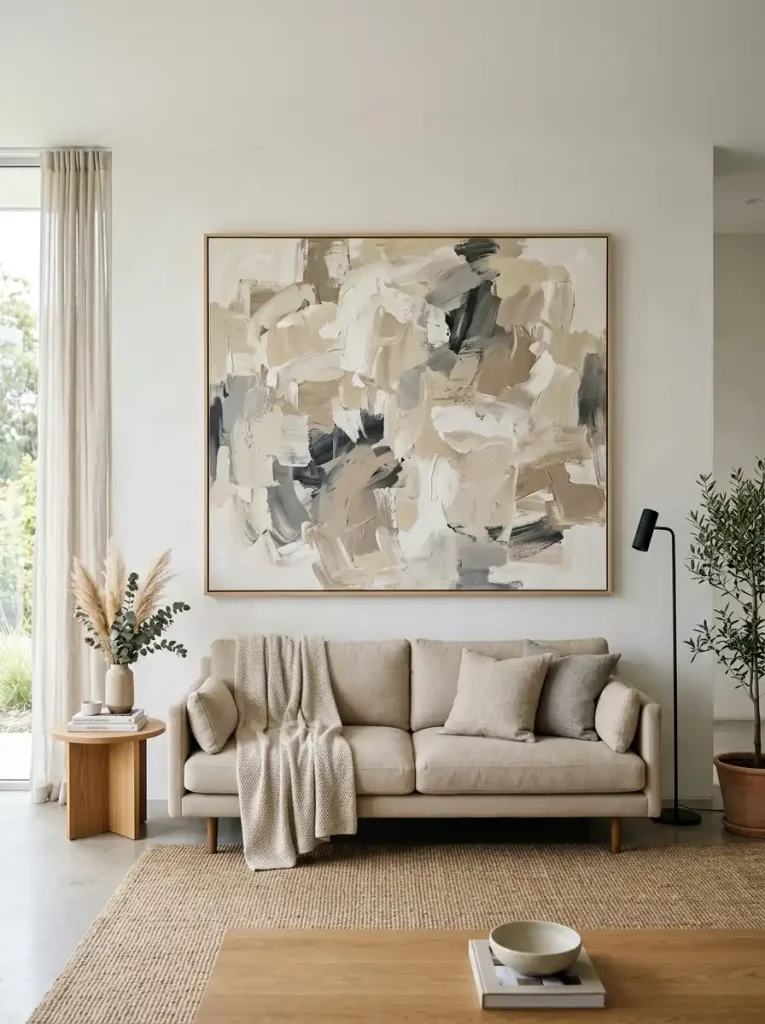
While gallery walls made up of dozens of small picture frames can look charming in larger homes, they often create visual busyness and clutter in a small living room. Swap busy frame arrangements for a single, oversized statement piece of art mounted above your main seating area. A large abstract canvas, a framed architectural photograph, or a textile wall hanging establishes a clear, confident focal point that grounds the room without overwhelming your walls with small, distracting details.
6. Flush-Face & Leggy Furniture Silhouettes
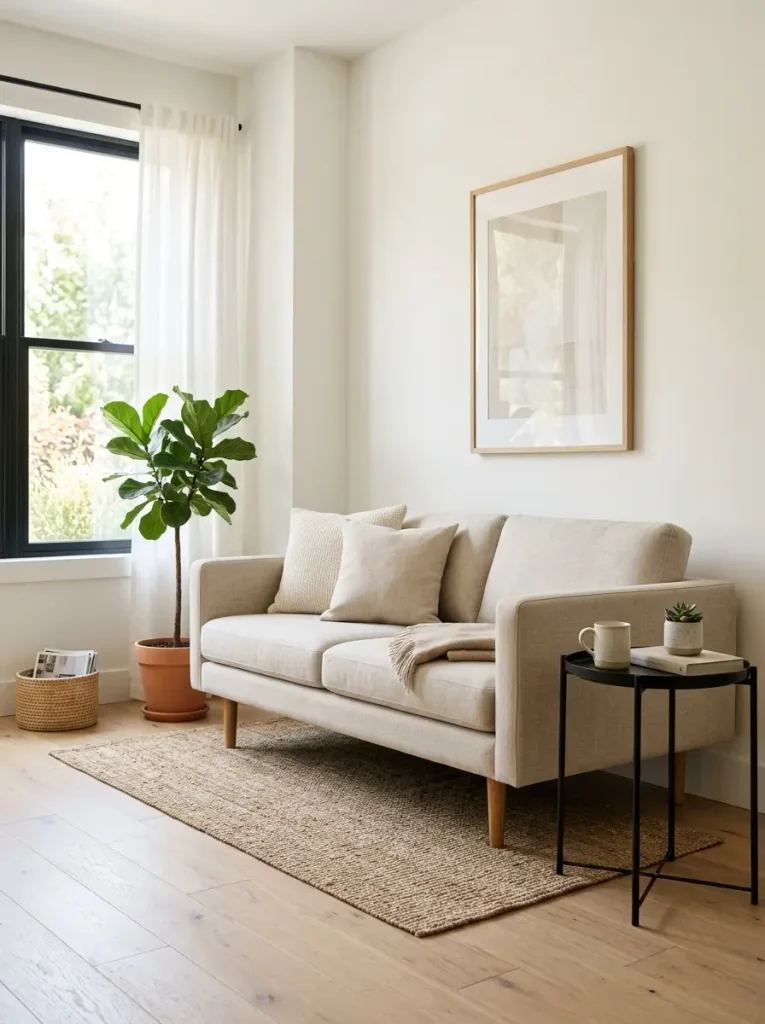
The silhouette of your furniture plays a massive role in how light and open your living room feels. Bulky sofas with thick rolled arms, heavy skirts, or oversized cushions block light and occupy excessive visual real estate. Choose minimalist seating with clean track arms, slim profiles, and tall, exposed legs. Allowing natural light and air to pass underneath your furniture pieces creates an open floor footprint, making the entire layout feel lighter and much more spacious.
7. Strategic Recessed & Architectural Lighting
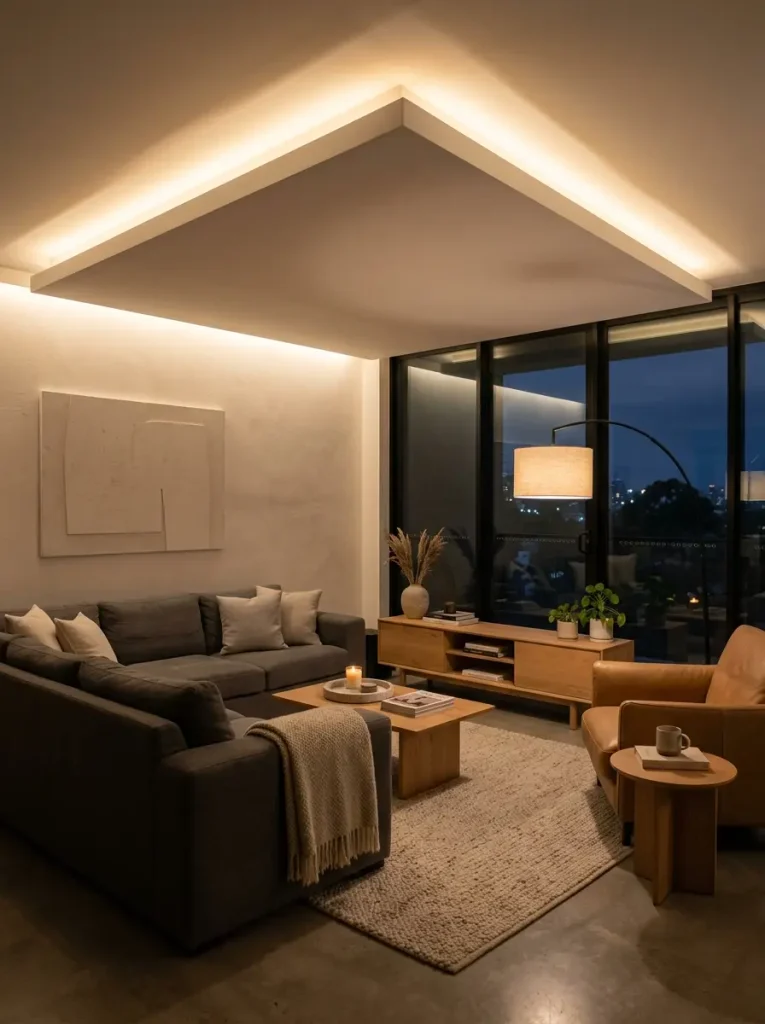
Clutter isn’t limited to physical objects; cluttered floor space caused by multiple lamp bases, cord tangles, and bulky shades can make a small room feel crowded. Streamline your illumination strategy by incorporating architectural lighting options, such as dimmable recessed ceiling lights, flush-mounted wall sconces, or concealed LED strip lighting tucked behind floating shelves and ceiling coves. This approach delivers a warm, inviting evening glow while keeping your floor and side-table surfaces entirely clear.
8. Intentionally Bare Surfaces & “The Rule of One”
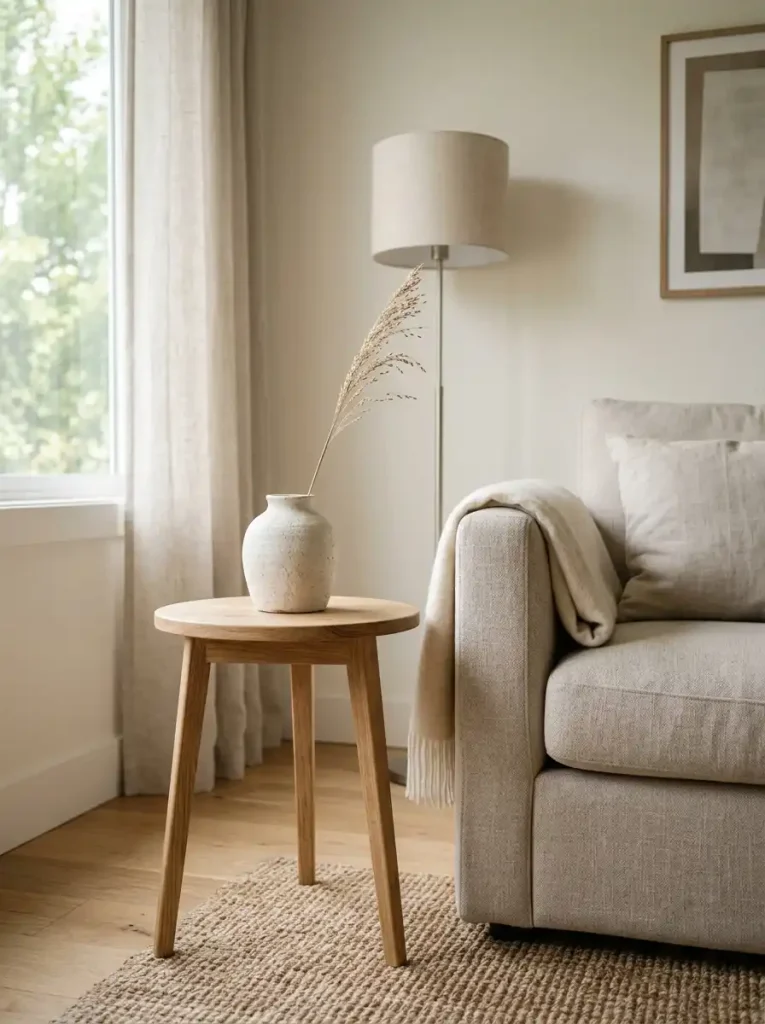
In a minimalist small living room, empty space is considered a deliberate design element rather than a void that needs to be filled. Practice “The Rule of One” on open surfaces like coffee tables, side tables, and mantelpieces—limit decor to a single, high-quality object such as a sculpted ceramic bowl, a single art book, or a vase with a solitary botanical branch. Leaving open space across flat surfaces reduces daily visual stress and drastically cuts down on dusting time.
9. Sheer Floor-to-Ceiling Unlined Window Treatments
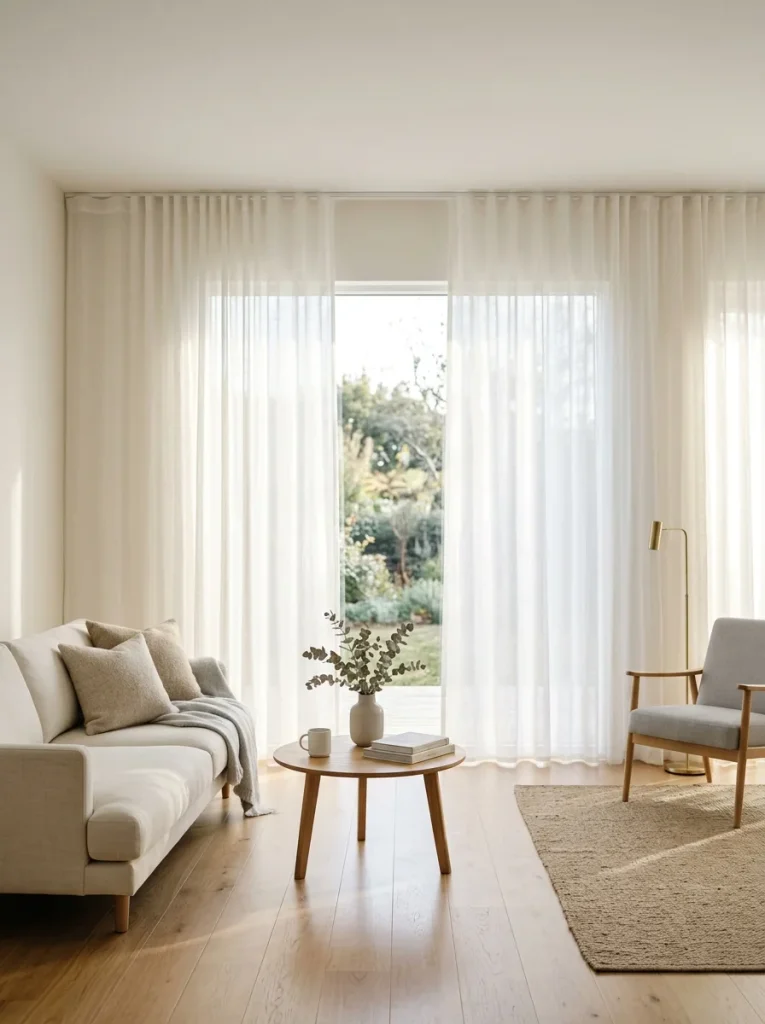
Heavy, dark drapes with complex patterns or elaborate valances can dwarf a small room and block precious incoming daylight. Elevate your room height and maximize natural illumination by installing simple, unlined sheer linen or cotton curtains from floor to ceiling using a concealed track system. Sheer window treatments diffuse harsh sunlight into a soft, ethereal glow while offering privacy, ensuring your living space remains bright, airy, and visually light throughout the day.
10. Low-Profile Modular Seating Layouts
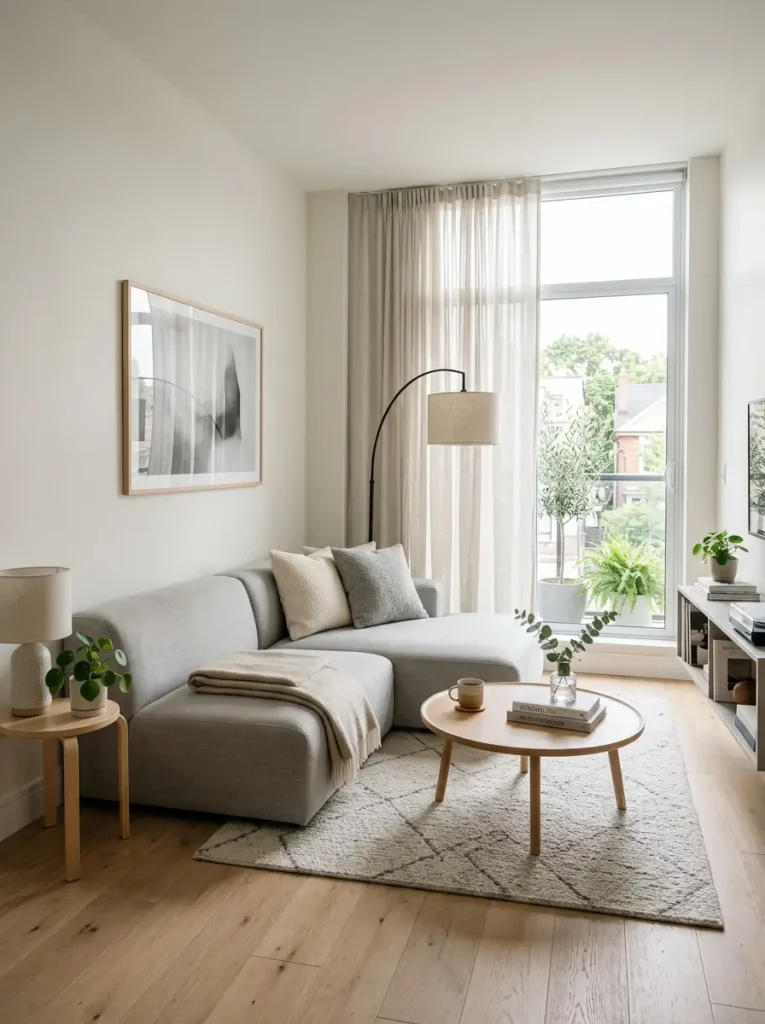
High-backed sofas and rigid armchair configurations can divide a small floor plan, creating artificial barriers that restrict sightlines. Modular, low-profile seating sits lower to the ground, leaving significant open wall space above the cushions, which emphasizes vertical room height. Furthermore, modular seating offers flexible arrangement options, allowing you to easily separate or reconfigure pieces depending on whether you are relaxing alone or hosting guests.
Frequently Asked Questions (FAQ)
How do I make a minimalist small living room feel warm and cozy instead of cold? To keep a minimalist room warm and inviting, focus on natural textures rather than adding extra objects. Incorporate tactile materials such as washed linen, chunky wool rugs, bouclé fabrics, smooth warm oak, and natural stone. Using warm-toned ambient lighting (2700K LED bulbs) and earthy neutral paint colors like oatmeal, soft taupe, and warm cream also prevents the space from feeling sterile.
What is the best way to maintain a clutter-free small living room daily? The secret to long-term clutter control is giving every item a designated, hidden storage home. Implement a daily “five-minute reset” routine to return items like remotes, shoes, and mail to their hidden compartments. Additionally, adopt a “one-in, one-out” rule: whenever you buy a new piece of decor, a throw pillow, or a book, donate or remove an existing item to maintain visual balance.
Can I still display personal items and collections in a minimalist living room? Yes, but curation is essential. Instead of displaying your entire collection at once on open shelves, select two or three of your favorite, most meaningful pieces to showcase prominently. You can rotate other items from your collection seasonally or every few months. This keeps your living room feeling fresh and personal without creating permanent visual clutter.