
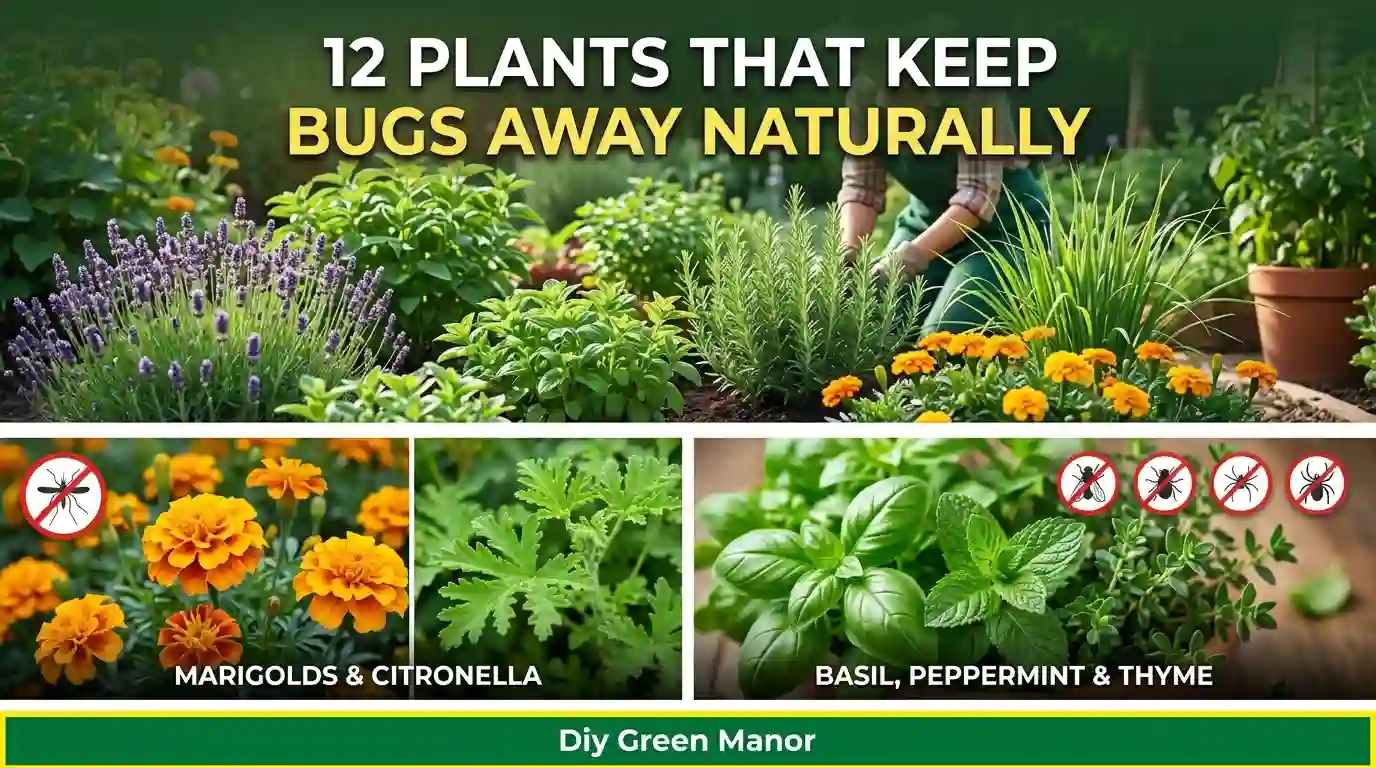
12 Plants That Keep Bugs Away Naturally
Nothing ruins time outdoors faster than mosquitoes, flies, and other pesky insects. The good news is that you don’t have to rely on harsh chemical sprays to enjoy your patio, porch, or garden. Many beautiful plants naturally produce fragrances and oils that help deter common bugs while adding color, texture, and fresh scents to your landscape.
Whether you’re creating a cozy backyard retreat or looking for practical additions to your flower beds, these bug-repelling plants are both functional and attractive. Here are 12 plants that help keep unwanted insects away while making your outdoor space look even more beautiful.
1. Lavender

Lavender is one of the most popular plants for naturally repelling mosquitoes, moths, and flies. Its calming fragrance is loved by people but disliked by many insects thanks to the essential oils found in its flowers and foliage. It’s also drought-tolerant and easy to maintain once established.
Plant lavender along walkways, around patios, or in decorative containers near outdoor seating areas. Besides helping deter bugs, it attracts bees and butterflies, filling your garden with color, fragrance, and beneficial pollinators throughout the growing season.
2. Citronella Grass

Citronella grass is famous for its fresh citrus scent that helps discourage mosquitoes. While the living plant is different from many products marketed as “citronella plants,” crushing the leaves releases aromatic oils that contribute to its insect-deterring properties.
Grow citronella grass in large containers around patios, decks, or garden entrances where people gather. Its tall, fountain-like foliage also adds beautiful texture and a tropical feel to your outdoor living space.
3. Marigolds

Marigolds brighten any garden with cheerful blooms while helping discourage mosquitoes and certain garden pests. Their distinctive scent is believed to repel insects, making them a favorite companion plant in vegetable gardens.
Plant marigolds around raised beds, pathways, or flower borders for continuous color throughout the season. Their easy-care nature makes them perfect for beginner gardeners looking for both beauty and function.
4. Basil
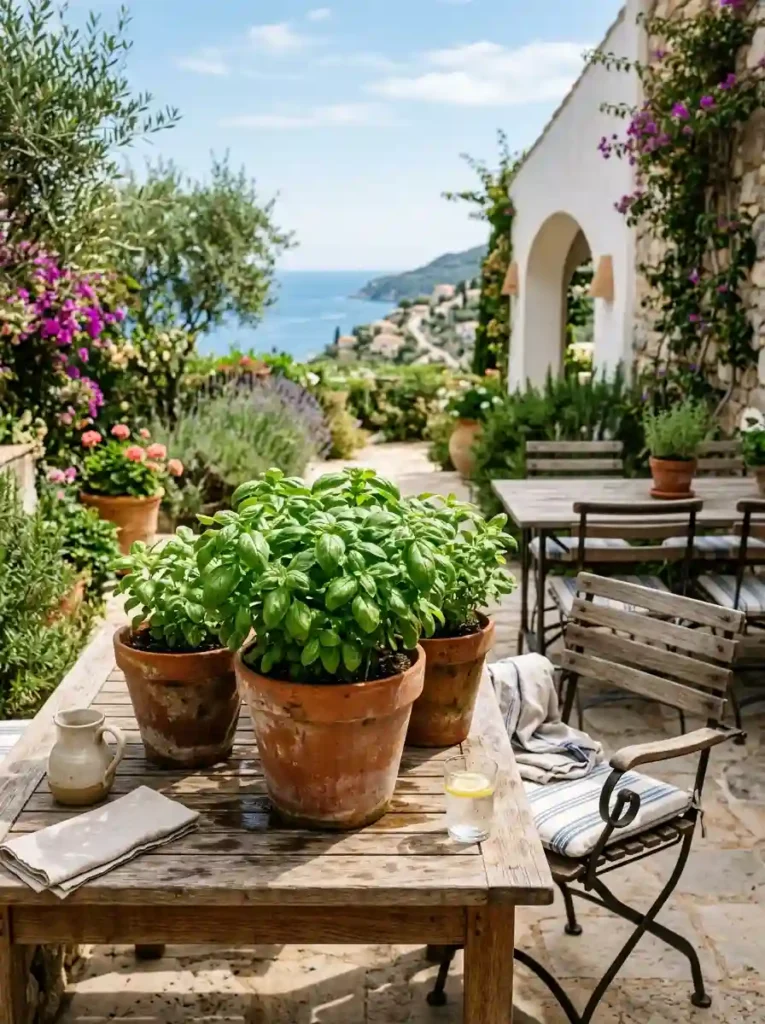
Basil isn’t just delicious in the kitchen—it also helps repel mosquitoes and flies. The aromatic leaves release a strong scent that many insects avoid, making basil a practical choice for patios and outdoor dining areas.
Keep pots of basil near outdoor tables or kitchen doors for easy access while cooking. Regular harvesting encourages fresh growth and ensures a continuous supply of flavorful leaves all season long.
5. Mint
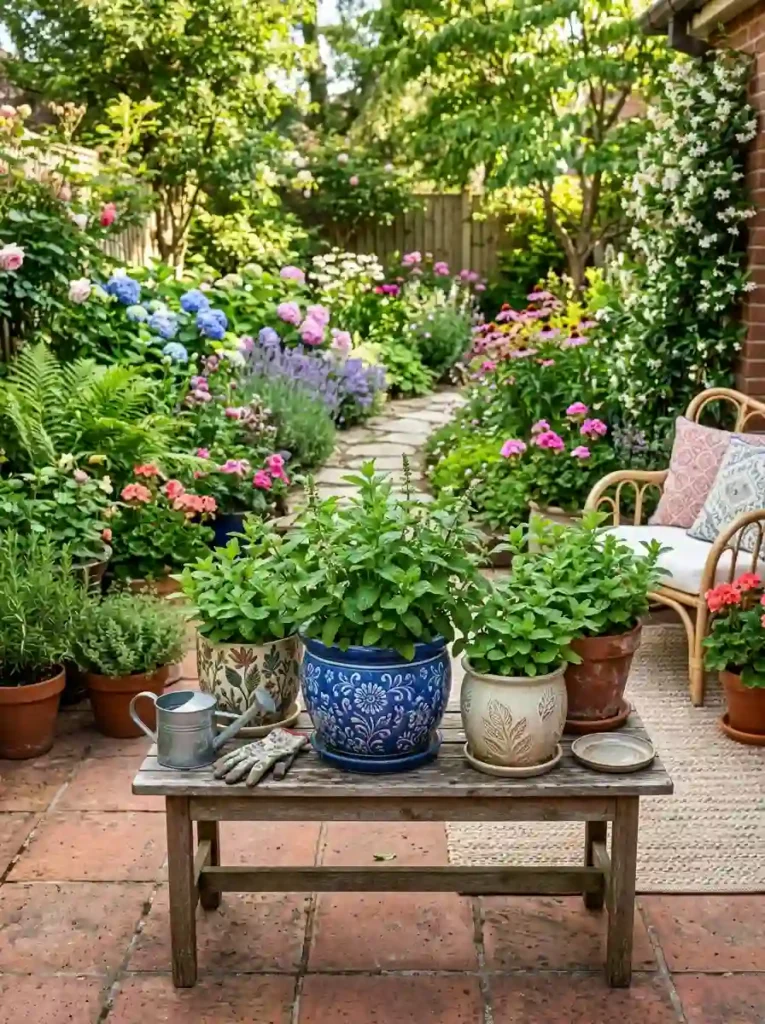
Mint’s refreshing aroma is pleasant for people but can help discourage mosquitoes and ants. Because it spreads rapidly, growing mint in containers is often the best way to keep it under control.
Place mint pots around seating areas or near entrances to enjoy its fresh scent while helping reduce unwanted insects. You can also harvest the leaves for refreshing drinks, teas, and homemade recipes.
6. Rosemary

Rosemary’s woody fragrance naturally helps deter mosquitoes and some flying insects while serving as a flavorful culinary herb. It thrives in sunny locations and requires relatively little maintenance once established.
Plant rosemary along garden borders or in decorative pots beside grilling areas. Its evergreen foliage provides year-round interest in many climates, making it both practical and ornamental.
7. Catnip
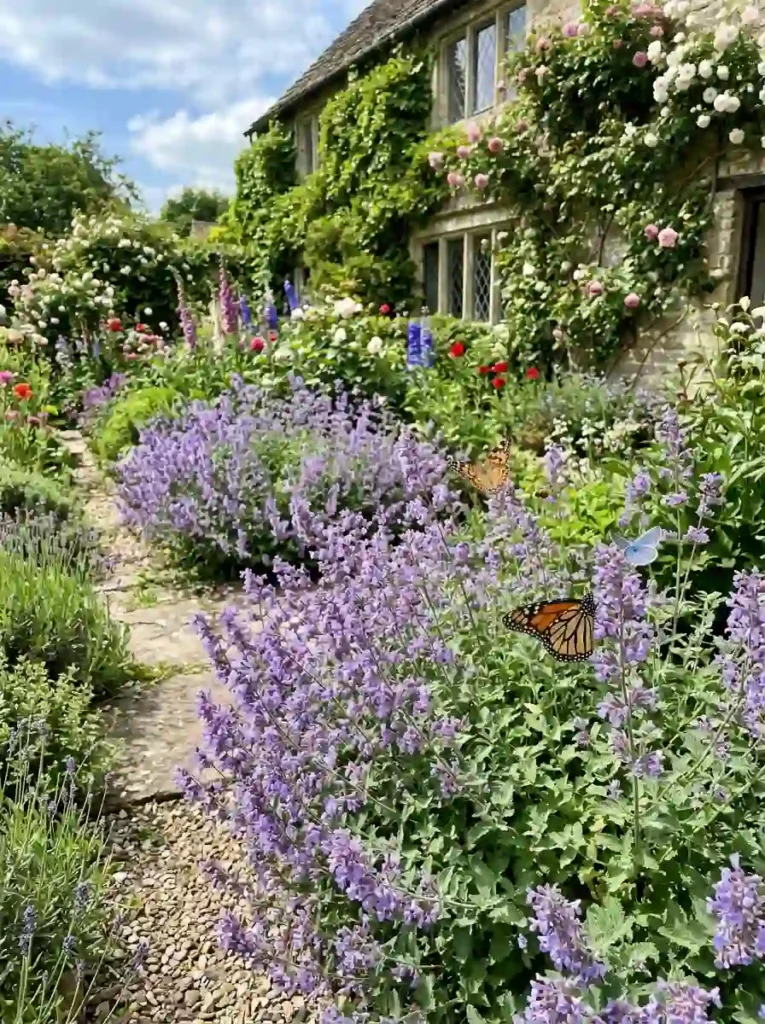
Catnip contains a natural compound called nepetalactone, which research suggests can be highly effective at repelling mosquitoes. Although cats may enjoy rolling in the plant, many insects prefer to stay away.
Grow catnip in sunny flower beds or containers where it has room to spread. Its delicate blooms also attract beneficial pollinators, creating a lively and colorful garden environment.
8. Lemon Balm
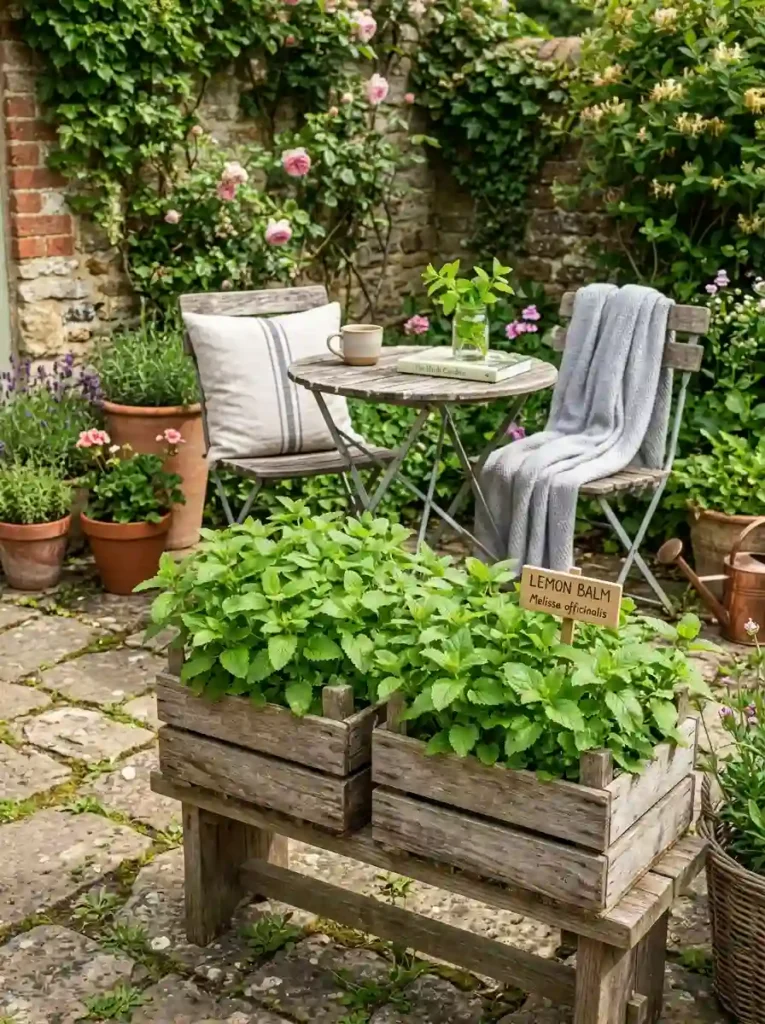
Lemon balm releases a refreshing citrus fragrance that many gardeners use to help discourage mosquitoes. Its bright green leaves make an attractive addition to herb gardens and decorative patio containers.
Regular pruning keeps the plant bushy and healthy while providing fragrant leaves for herbal teas and homemade recipes. Plant it near outdoor seating areas for both beauty and function.
9. Chrysanthemums

Chrysanthemums contain naturally occurring compounds called pyrethrins, which are widely used in many insect-control products. The flowers help discourage various insects while adding spectacular seasonal color.
Use chrysanthemums in porch containers, garden borders, or decorative planters for a vibrant display that continues well into fall while offering natural pest-deterring benefits.
10. Lemongrass

Lemongrass offers a fresh lemon fragrance and dramatic upright foliage that adds tropical beauty to any landscape. The aromatic leaves contain citronella-related compounds that may help discourage mosquitoes.
Plant lemongrass in sunny containers or garden beds where its tall leaves can create privacy while adding texture and movement to your outdoor design.
11. Scented Geraniums
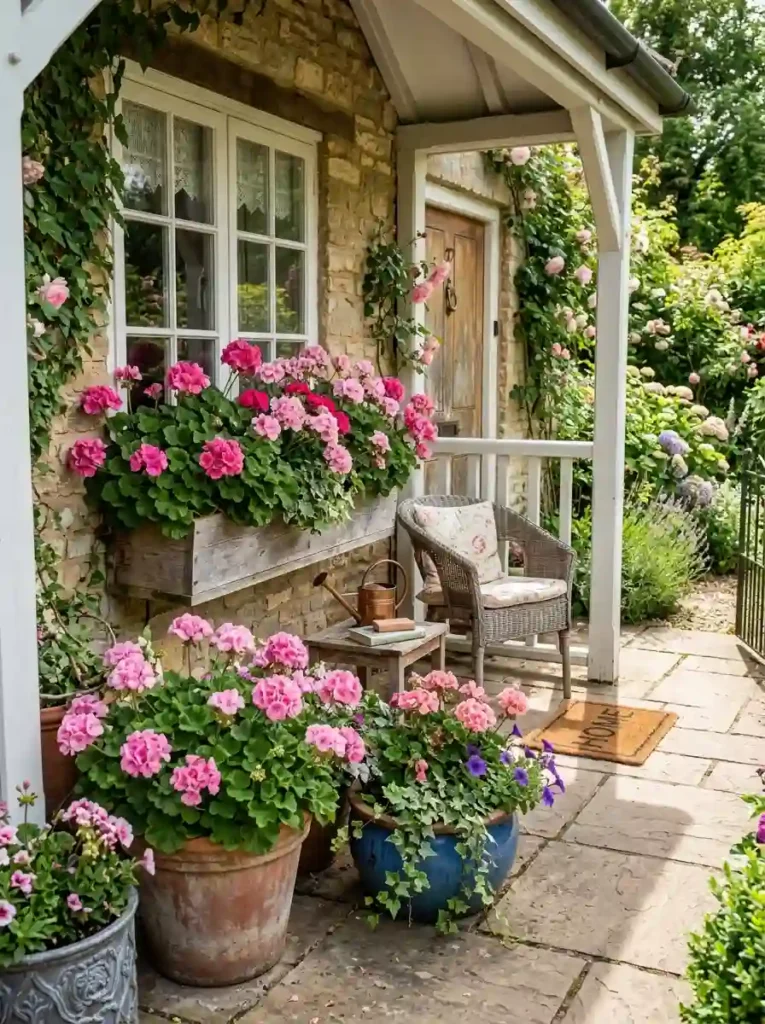
Scented geraniums, especially lemon-scented varieties, produce fragrant leaves that many gardeners use to help reduce mosquitoes around outdoor spaces. Their colorful blooms also provide months of visual interest.
Arrange them in containers near patios, balconies, or entryways where brushing the leaves releases their pleasant fragrance while enhancing your seasonal décor.
12. Bee Balm
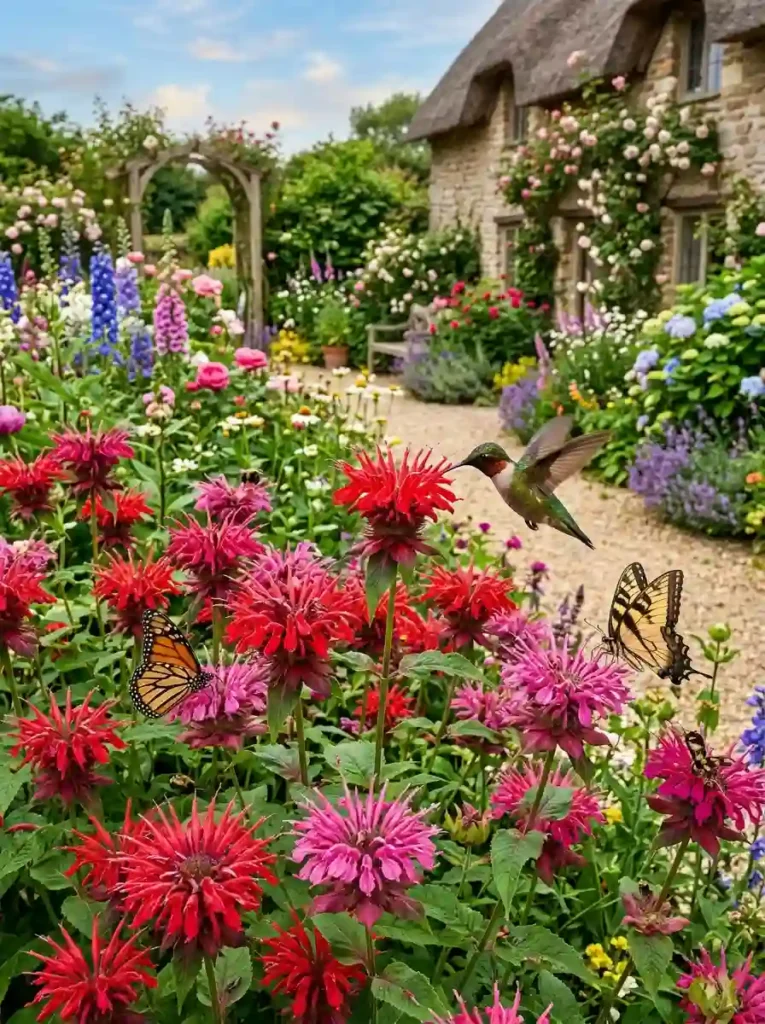
Bee balm is a striking perennial known for attracting hummingbirds and pollinators while its aromatic foliage may help discourage certain unwanted insects. The vibrant blooms add bold color to flower beds throughout summer.
Plant bee balm in sunny garden borders mixed with ornamental grasses and flowering perennials for a lively landscape that’s both beautiful and beneficial to local wildlife.
Conclusion
Adding bug-repelling plants to your yard is an easy and attractive way to create a more enjoyable outdoor space. While no single plant will eliminate insects completely, combining several fragrant varieties around patios, decks, porches, and garden paths can help reduce bug activity while enhancing your landscape with beautiful flowers, textures, and scents.
Mix herbs like basil, rosemary, and mint with colorful blooms such as lavender, marigolds, and chrysanthemums to build a garden that’s both practical and Pinterest-worthy. With the right combination of plants, you’ll enjoy a more comfortable backyard all season long.
Frequently Asked Questions
1. Do bug-repelling plants really work?
Many aromatic plants produce natural compounds that can help deter certain insects. They work best as part of a broader pest-management approach rather than as a complete solution.
2. Which plant is best for mosquitoes?
Lavender, citronella grass, catnip, basil, lemon balm, and lemongrass are among the most popular choices for helping discourage mosquitoes.
3. Can I grow these plants in containers?
Yes! Basil, mint, rosemary, lavender, scented geraniums, citronella grass, and lemongrass all grow well in containers, making them perfect for patios and balconies.
4. Are these plants safe around pets?
Some plants, such as lavender, chrysanthemums, and certain scented geraniums, can be harmful if ingested by pets. Always check the safety of specific plants if you have dogs or cats.
5. What’s the best way to maximize bug protection?
Plant a variety of aromatic herbs and flowers around seating areas, keep the garden well-maintained, remove standing water where mosquitoes breed, and use additional protective measures if insects are a persistent problem.